For the Love of Food: Eating your Way Round Johor (Part 1)

The southern state of Johor is often a staycation spot for Singaporeans looking for tranquillity and cheaper shopping. But once you get there, you’ll find yourself getting a taste of authentic Malaysian culture and hidden culinary gems.

Indulging at stalls where locals ate took us all back to a simpler time, when eating was about enjoying the food and the company of friends, not snapping pictures to be uploaded immediately.

We ate our way around Johor, going across towns like Kulai, Yong Peng, Muar and Batu Pahat, where people were warm and welcoming, the simple food was mouth-watering and left us wishing we could pack every single dish home.

The next time you’re in Johor, take a respite from the regular hipster spots and look for some of these local shops to eat to your heart’s content. We promise you won’t be disappointed.

JOHOR BAHRU

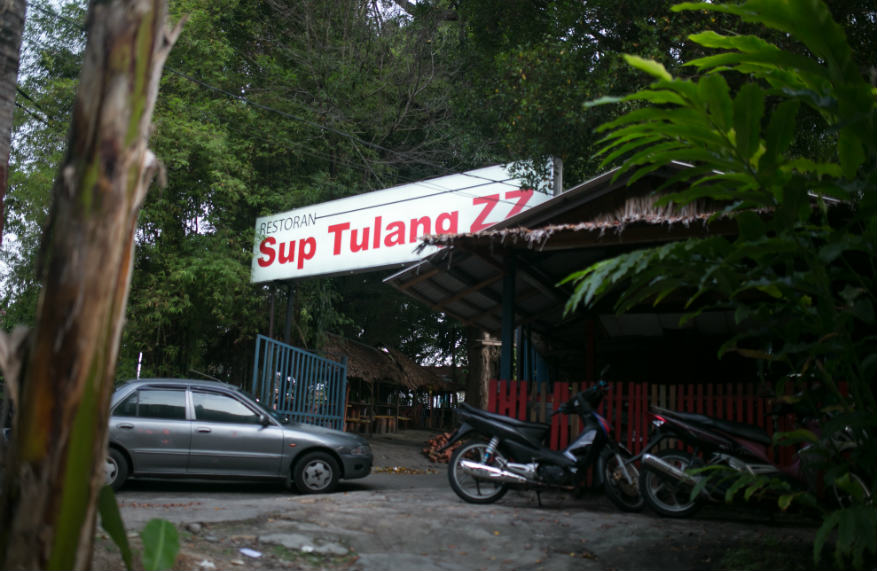
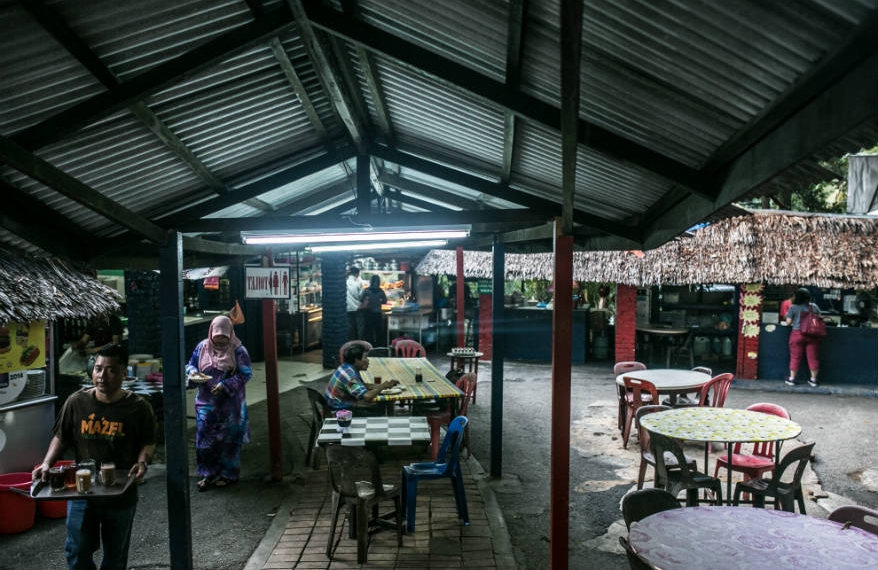
Our first pit stop was at Restaurant ZZ Sup Tulang, a favourite among locals during peak periods like breakfast and dinner. The dining area is rustic and cosy, with gazebos and small bamboo huts shaded under large trees, giving the entire place a kampung feel. It’s a great place to chat and laugh the night away with some friends over drinks and a yummy meal.

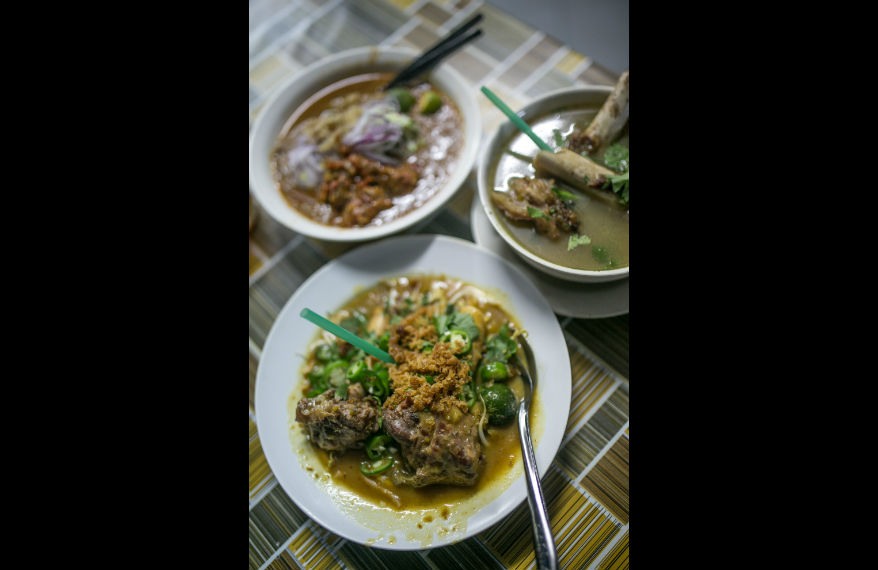
This is THE place in Johor for a delectable bowl of Sup Tulang (bone marrow soup, RM7), Laksa Johor and Mee Rebus Tulang (noodles with bone marrow gravy, RM8.50). Each delicious plate is filled to the brim with rich, aromatic gravy, topped with chunky bones. And if you’re wondering why there’s a straw inserted into the hollow of the bone, it’s to help you savour the creamy bone marrow without making a mess.

Their signature dish is the Mee Rebus Tulang, and you’re in for a treat with this dish. Served with yellow noodles, fried shallots, coriander, fresh cut chillies and large lamb shank bones, it’s sure to leave you wanting more.

The flesh falls off the bones easily as the bones are cooked for hours over a charcoal fire to preserve the marrow and keep the flesh juicy and tender. Spices are added into the broth, resulting in a super rich marrow that’s naturally sweet, complemented by the gritty bits of grounded spices.

Laksa Johor, Sup Tulang & Mee Rebus Tulang
The famous Laksa Johor, Sup Tulang and Mee Rebus Tulang all come with a straw to slurp up the creamy bone marrow easily. *Tulang means bone in Malay.
Sup Tulang ZZ in Johor Bahru
Sup Tulang ZZ is a popular hangout located in a cosy little corner, surrounded by trees.
Patrons come as early as 7am
Patrons normally arrive early in the morning, once the place opens at 7 am.

Restaurant Sup Tulang ZZ
Jalan Petrie 5/1, Johor Bahru
Tel: +607 224 0417

SENAI

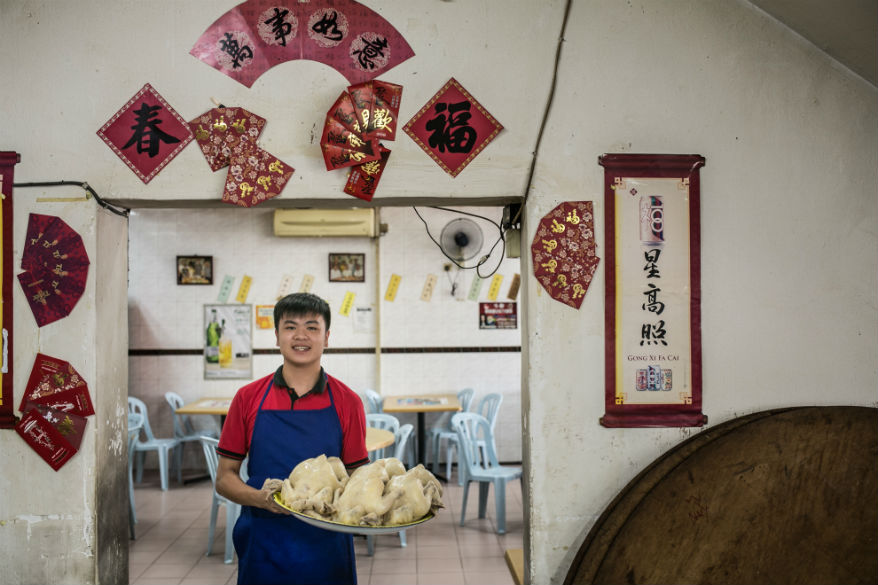
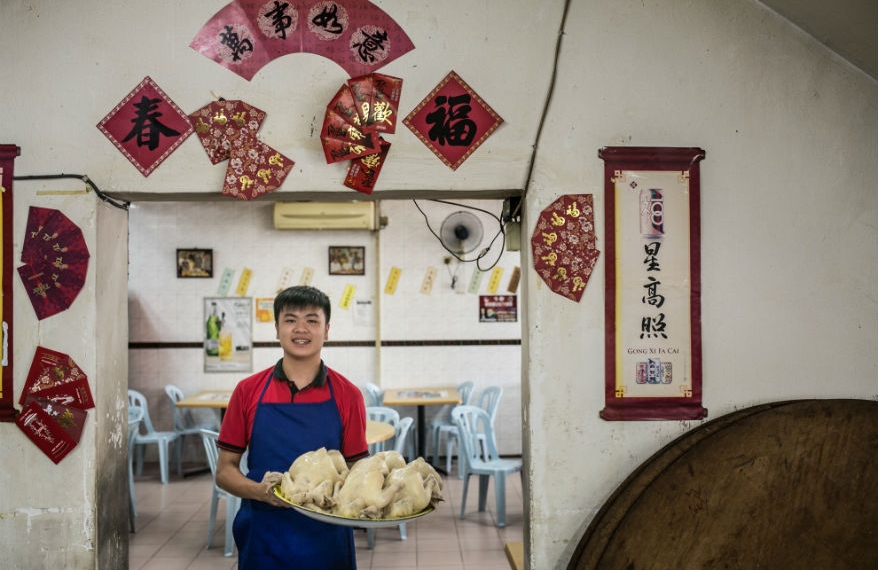
The unassuming Swee Kee chicken rice shop occupies two shop lots that are just minutes from Senai Airport. Visitors from as far as Hong Kong, Malaysia and Singapore, including Singapore’s Deputy Prime Minister Tharman, have dropped by this humble shop.

Originating from the legendary Swee Kee store at Purvis Street in Singapore, the branch in Senai was opened by workers from the first store who brought the recipes and preparation styles here.

The shop is a family business, with the matriarch, Mrs Bo helped by her son, Mr Bo Zhang Hao and daughter. This cheerful and animated lady starts work early as the food has to be ready by 9.30am for the breakfast crowd.

Swee Kee’s chicken is tender, juicy and succulent, with a natural sweetness to it. A slight drizzle of sesame dressing tops off the dish. A half chicken here comes to RM25.

A bowl of rice accompanies each plate of chicken, along with a small bowl of flavourful clear soup. The rice is light and fluffy, and according to Mrs Bo, the secret to achieving this is to use old rice so the end product isn’t mushy. The preparation of the rice is a skill in itself, as it needs to be stirred till the water dries, then steamed for 15 minutes.
Swee Kee Chicken Rice
The succulent and tender chicken that Swee Kwee Chicken Rice shop is known for.
Swee Kee Chicken Rice
The succulent and tender chicken that Swee Kwee Chicken Rice shop is known for.
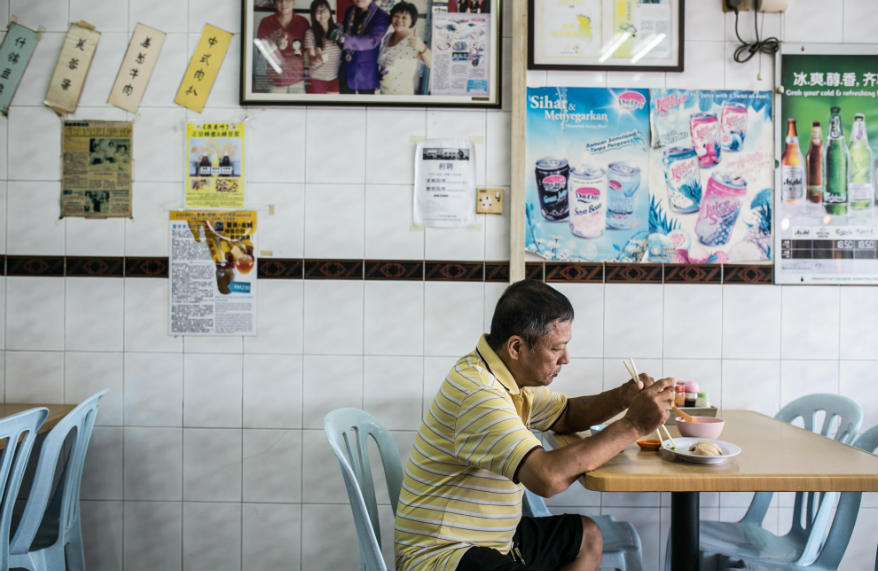
A diner enjoying his chicken rice meal at the shop.

Swee Kee Chicken Rice
98, Jalan Bintang, Taman Bintang, Senai
Tel: +607 598 4321

KULAI

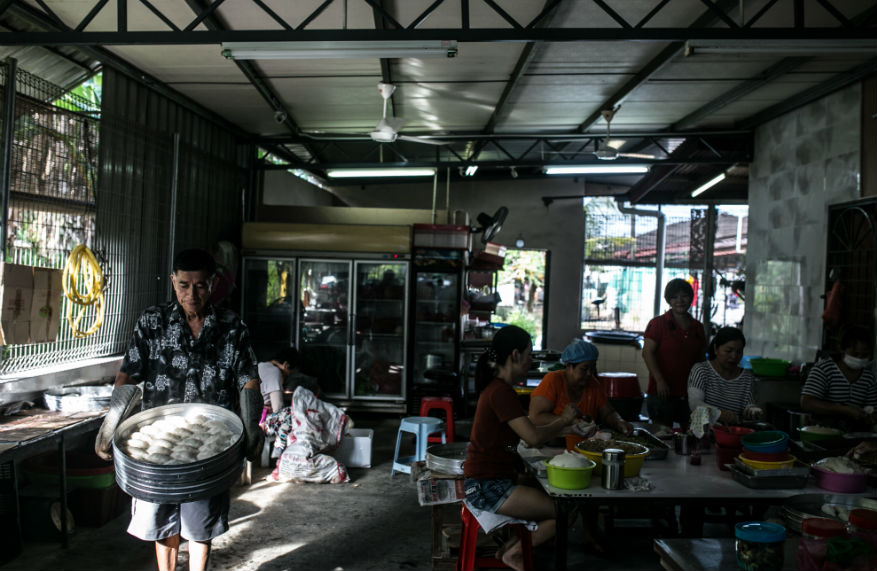
Next up was the famous Hakka Dumplings in Kulai. This shop is located in a quiet residential estate and you’ll know you’ve reached when you see many cars parked outside a large family house.

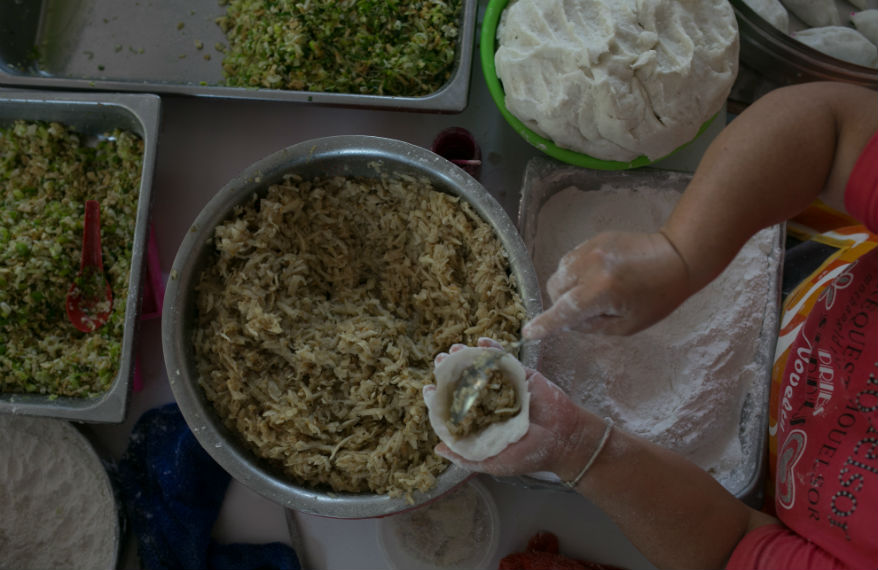
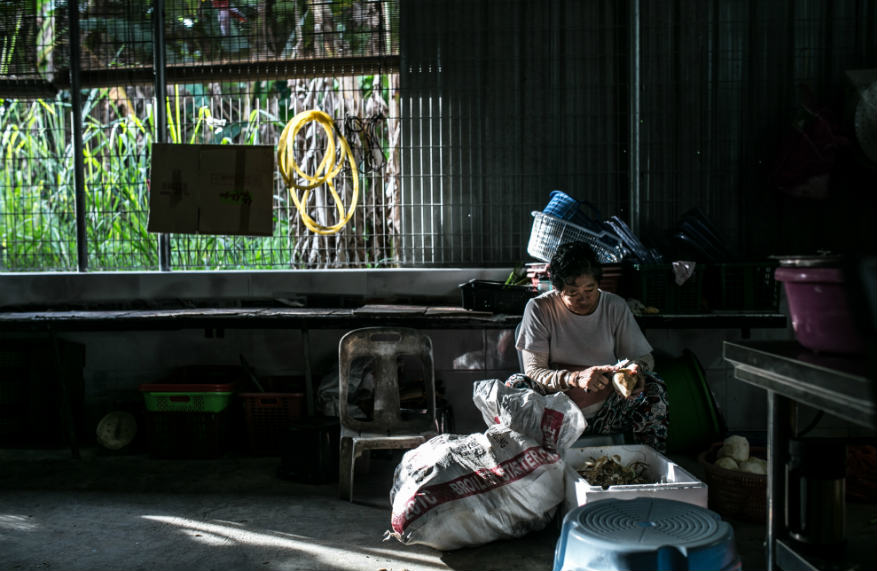
These delicious dumplings are freshly made every day, from the fillings to the skin. Members of the family all chip in to help, as there’s much prep work to do starting from 5 am. The doors to the shop open at 7 am and regulars stream in for their breakfast of steaming hot dumplings and local coffee.

There are five types of stuffings, with leek and turnip among the most popular. Once the dumplings come out of the steamers, they are served to customers immediately. The skin is delicate and light, and the delicious stuffing of tofu and vegetables is juicy, crunchy and filled with flavours. It’s amazing how something so simple can be so tasty. It was hard to choose a favourite stuffing, but the one with turnips was amazing. Each dumpling costs RM1 and about 2000 pieces are sold daily. Most of their customers are local regulars, but Singaporeans tend to drop by during long weekends.
Swee Kee Chicken Rice
Freshly cooked dumplings, right out of the steamers.
A diner enjoying his chicken rice meal at the shop.
An employee painstakingly filling up each dumpling by hand.
Swee Kee Chicken Rice
Each day begins with an employee selecting the best turnips for the dumplings.

Hakka Dumplings (Man Ting Fang 满庭芳)
Lot 8089, Jalan 6, Kelapa Sawit, Kulaijaya
Tel: +6016 764 4264
Opening hours: 7am to 3pm (Closed on Wed)

Read Part 2 as we bring you to the towns up north of Johor to continue in our pit stop eats.
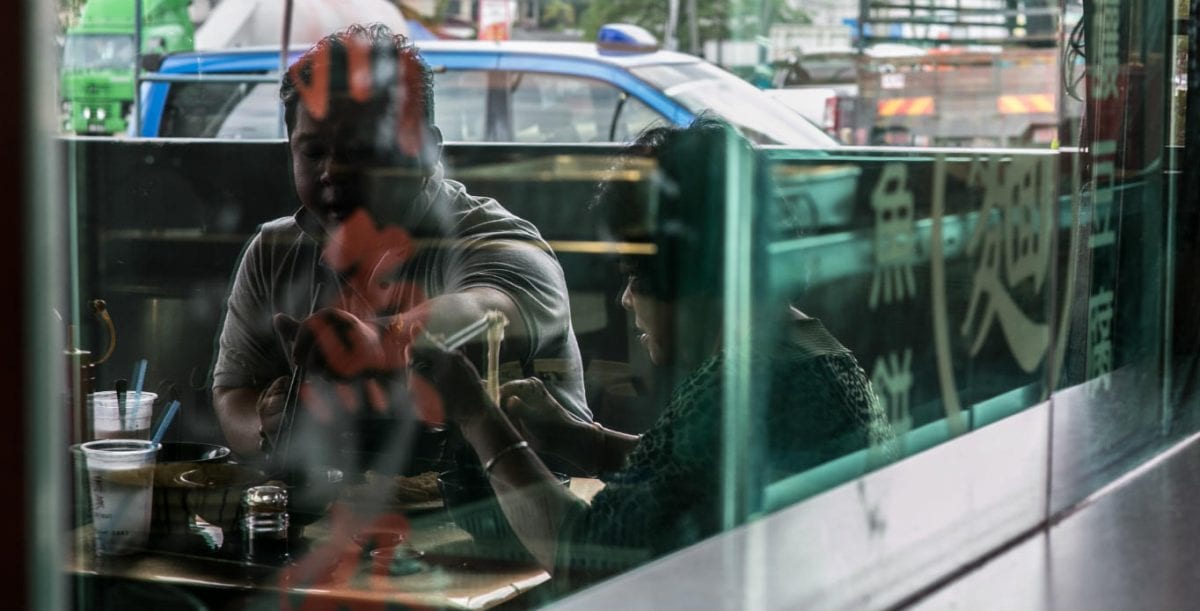
Pit Stop Eats: Road Trip from Singapore to Kuala Lumpur

Malaysia is a world of hidden gems when it comes to food, and when we began a weeklong road trip from Singapore to Kuala Lumpur, each pit stop we made along the way proved to be more than memorable.

The road trip from Singapore to Kuala Lumpur gave us the chance to stop at different places to eat, which included everything from family-owned stalls in small towns to hawkers frequented by politicians to celebrity restaurants. Regardless of the size, we had a fabulous time at each and every pit stop we made along the way, and we hope you’ll also have the chance to discover some of these places too!

We ate our way around Johor, going across towns like Kulai, Yong Peng, Muar and Batu Pahat where people were warm and welcoming.

Driving up north to Melaka, it was indeed a walk to remember as we uncovered Melaka’s charms in the rich heritage & history of this city.

Finally, we arrived in Kuala Lumpur where we found passion for food all in the family, as we followed a pair of identical twin sisters who work at Concorde Hotel Kuala Lumpur.

1. JOHOR BAHRU
The state capital of Johor and home to around 1.4 million residents, Johor Bahru is the third-largest city in Malaysia. It’s a short drive from Singapore, and there’s much to enjoy from theme parks to sunny beaches and amazing seafood.

2. SENAI
This little town in Johor got its name from Sinai, a local tree that thrived around the area in the early 20th century. Home to around
68,000 residents, Senai’s economy is based around manufacturing.

3. KULAI
A small town in Johor, Kulai is surrounded by palm oil plantations and rubber estates. Once an important stopover on the Johor Bahru – Kuala Lumpur trunk road in the 1970s and 1980s until the North-South Expressway opened in 1994, which bypassed the town.
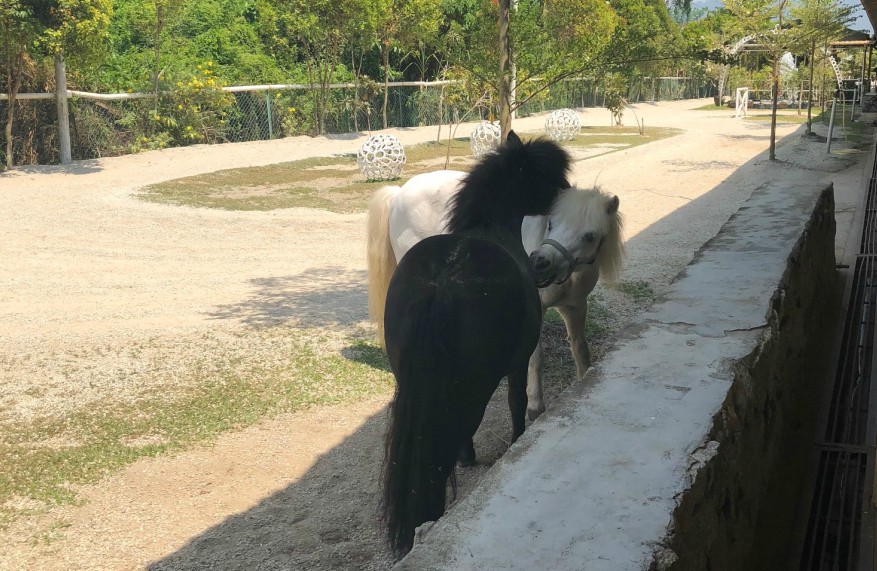
4. YONG PENG
With a population that’s just under 30,000, Yong Peng is a charming town renowned for its Fuzhou style cuisine. Not to be missed is the Yong Peng bread, a round-shaped yeast bread that is only available in this town.

5. BATU PAHAT
Located in the southeast of Muar, this district is home to about 470,000 locals. Its name means “chiselled stone” due to the nearby quarries. Today, it is famous for its hawker food and distinct street food.

6. MUAR
The second-largest city in the state of Johor is most famous for its food, coffee and historical buildings. Gorgeous pre-war buildings and Chinese-influenced architecture can still be seen in the town centre.

7. MELAKA
This UNESCO World Heritage Site is steeped in cultural history that is a fusion of Portuguese influence and Peranakan heritage. Take a stroll to experience the old world charms of its heritage buildings and culture.

8. KUALA LUMPUR
The largest city in Malaysia is also its capital and is visually defined by a mix of gleaming skyscrapers and colonial architecture. It is also the cultural, economic and financial centre of the country.

Auspicious Food for Chinese New Year

Chinese New Year is just around the corner and a big part of the celebrations involve food. Start the new year in good cheer with auspicious food and dishes.

Here’re some festive Chinese New Year recipes that you can delight your family and friends with!

Pomelo Salad

Pomelos are something that most of us will have during Chinese New Year as having this citrus fruit is thought to bring continuous prosperity. Learn to whip up a pomelo salad with a Thai twist, a special signature dish from The Boathouse Phuket.

Watch video to see how easy it is to make it. Click here for recipe.

Steamed Cod Fish

Fish is an indispensable dish on Chinese New Year meal, as the Chinese pronunciation of fish sounds like ‘surplus’ or ‘abundance’.

If you are thinking of a simple and delicious dish for the reunion dinner, you may like the “Steamed Cod Fish with Superior Soya Sauce” recipe from Concorde Hotel Singapore.

Kepetin Bakwan

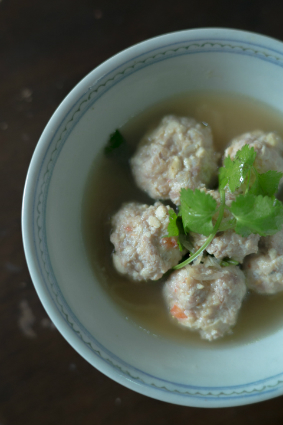
This pork and crab meatball soup is a must-have dish in many Peranakan households during Chinese New Year. Click here to find out the simple steps to this authentic Peranakan dish.

Kepitian Bakwan, Recipe provided by: Baba Jolly Wee


Uncovering Melaka’s Charms

Immerse yourself in the rich heritage and history of this charming city on the Melaka Heritage and History Discovery Walk.

At a time where everyone is rushing for something or another, it’s refreshing to take a slow walk through the city’s old quarters with Mr Eddie Chua, the guide for this walking tour.

Meeting us at the mouth of the Melaka River under the historic Melaka tree, from which this city derived its name, Mr Eddie, as he likes to be known, took us on a walk that covered the areas known as the UNESCO World Heritage Site.

Melaka tree
Legend has it that Parameswara, a prince once rested under the Melaka tree and found the location to be auspicious. So he decided to build a settlement there and named it Melaka.
Mr Eddie Chua, Guide for Heritage Walk
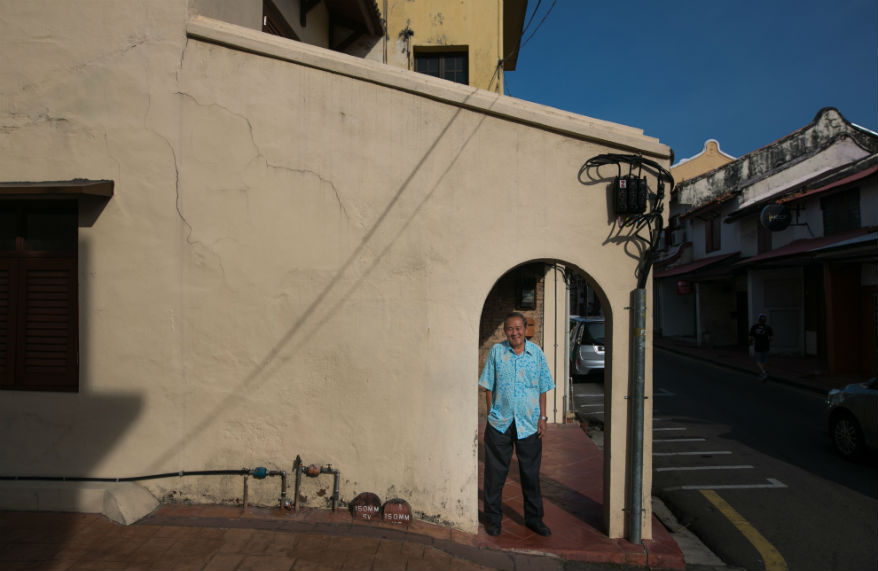
Mr Eddie Chua, the sprightly and highly knowledgeable guide for the Heritage & History Discovery Walk.
Cycling to explore Melaka
Another great way to explore Melaka is by bike, especially around the old town areas.
Cycling to explore Melaka
Another great way to explore Melaka is by bike, especially around the old town areas.

The morning began with a hearty breakfast at Casa del Rio Melaka’s riverfront restaurant. The tour started at Hereen Street, a narrow street with ornately decorated homes where prosperous residents lived during the early 20th century. The famous Jonker Street was rather calm and quiet as it was early in the day. It is lined with numerous antique shops that are renowned among antique collections around the globe. This street truly comes to life at night on Friday, Saturday and Sunday with a night market that sells everything from trinkets to street food.

Yet another unique street to explore is “Street of Harmony” (Jalan Tokong and Jalan Tukang Elmas), where temples and mosques from the three major religions in Malaysia— Islam, Hinduism and Buddhism—co-exists almost next to each other. Kampung Kling Mosque, Sri Poyyatha Vinayagar Moorthi temple and the Cheng Hoon Teng Temple are just a few minutes from each other.

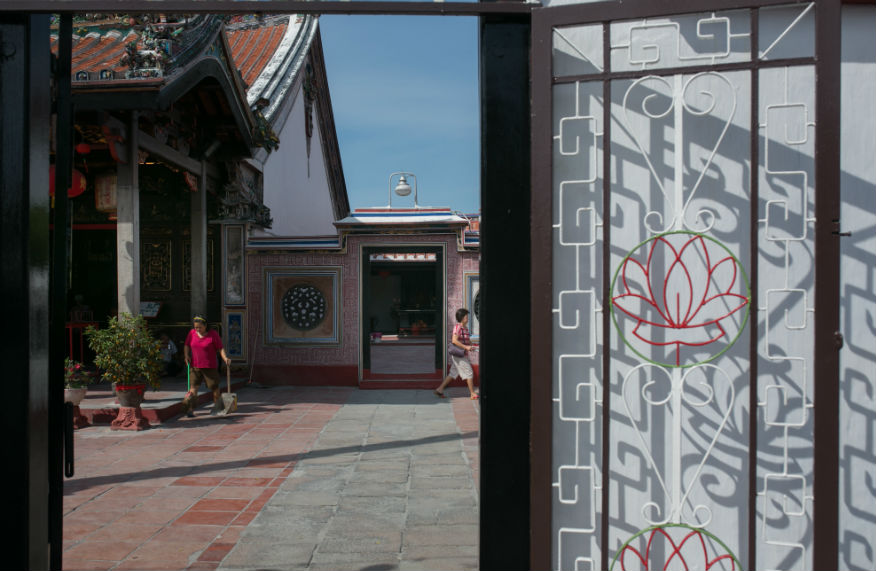
One of the most striking sights along the street is the Cheng Hoon Teng Temple that was built in 1645 and was the first building to be restored by UNESCO. The prayer hall is dominated by dark timber beams and richly decorated rosewood carvings. These were carved in China and brought to Melaka in 1704 where they were assembled by craftsmen. The temple is the main place of worship for the Hokkien population in Melaka.

Heritage Walk
Sights from the heritage walk.
Heritage Walk
Sights from the heritage walk.
Heritage Walk
Cheng Hoon Teng Temple is the oldest and grandest temple in Melaka, and is dedicated to Kuan Yin, the Goddess of Mercy.
Heritage Walk
Kampung Kling Mosque, built in the 1748, is a splendid blend of Sumatran, Chinese, Hindu and Malay cultures.
Heritage Walk
Kampung Kling Mosque, built in the 1748, is a splendid blend of Sumatran, Chinese, Hindu and Malay cultures.

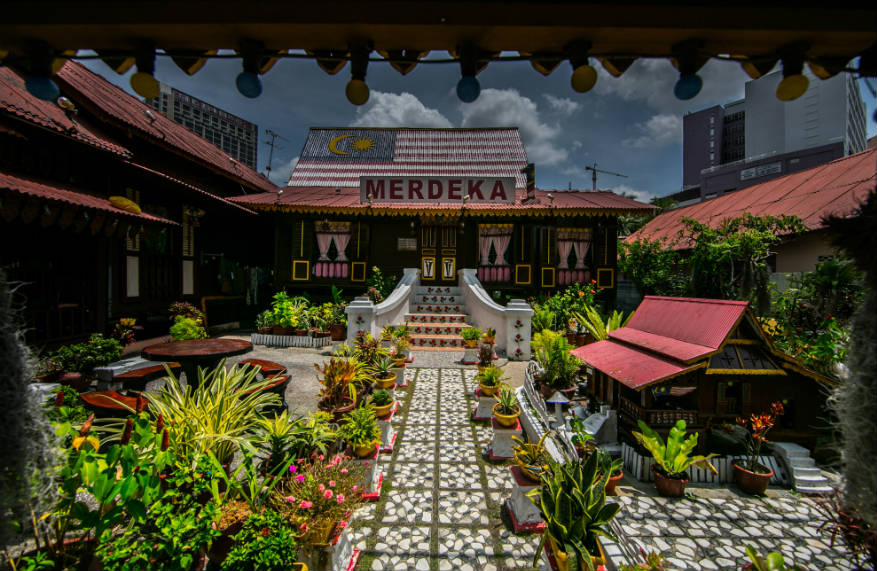
We then headed to Kampung Morten, the only remaining village with traditional Malay houses in the middle of the city. Tucked away along the Melaka River, one immediately feels a sense of serenity and tranquillity upon entering the village.

Despite being nestled in the heart of the city, one can experience the old world charm of village life here—a way of life that is mostly lost as the country develops.

The village was named after F.J. Morten, the British Land Commissioner who helped open the village. Homes are adorned with handmade decorations, separated only by plants, as wells as herbs and spices grown for cooking and curing ailments.

The houses here have retained the traditional architecture of Malay homes, which are built with 12 columns. Each house is built without the help of a contractor, with only family members and relatives coming together to construct it. The base of these homes are also smartly built without nails, so the entire house can be moved during a flood, which was a regular occurrence in the past.

Kampung Morten Melaka
The beautifully preserved Malays homes in Kampung Morten.
Kampung Morten Melaka
Kampung Morten is a living museum in the middle of Melaka town, where residents still practise the traditional Malay lifestyle.

During the tour, we visited the home of Kak Aminah for a scrumptious home-cooked meal. A traditional Malay meal comprises six dishes that are served in Dulang, a round metal tray. We indulged in dishes like Asam Pedas Ikan Tenggiri (fish in spicy and sour gravy), Ayam Goreng Kunyit (fried chicken marinated in turmeric) and Goreng Kacang Panjang (fried long beans), all washed down with a cold rose syrup drink. Of course one has to eat as the locals do, by mixing the dishes up with fingers to deepen the individual flavours, while sitting cross-legged on the floor.

Kampung Morten Melaka
A traditional Malay meal comprising six dishes, served on a dulang (flat tray), where all courses are presented at the same time.
Kampung Morten Melaka
Bananas, onions and yam frying in boiling hot oil.

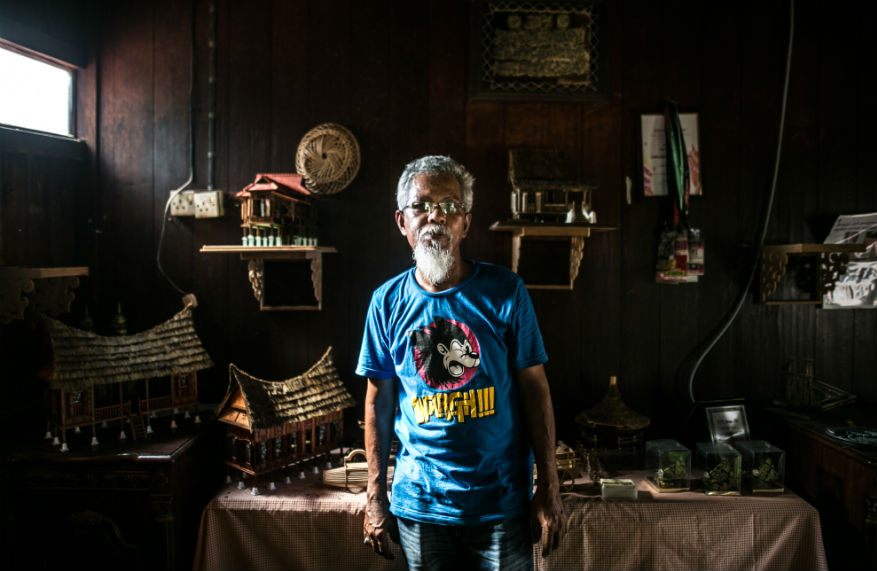
A short walk later, we came upon Mr Baser, a villager with a love for making miniature traditional Malay houses from the different states in Malaysia. His workshop can be found by the side of his house, where he spends three hours a day after work patiently crafting his miniatures.

Each piece is made by hand, and Mr Baser replicates each element of a house down to the finest details. Every house takes up to two weeks to make and can cost around RM450 onwards.

To date, he was sold over 300 pieces to collectors both local and foreign, who have found his work on his Facebook page under Replica House. So popular are his pieces, some have been sold within hours of the pictures being uploaded on Facebook.

His popularity is gaining, with some government departments purchasing his pieces to be given away as souvenirs during official functions. In fact, he has even been invited to showcase his work at several exhibitions in the city.

As the day winded down, we said goodbye to Mr Baser and continued our walk around Kampung Morten. The best time to visit is during the evening when everyone returns home and go about their lives. This is when you can experience a true sense of traditional village life.

Kampung Morten Melaka
Mr Baser, a self-taught craftsman who has a passion for making traditional mini village houses, with his gallery of miniatures.
Kampung Morten Melaka
One of Mr Baser’s intricately crafted miniature traditional houses.
Kampung Morten Melaka
Mr Baser at his workshop next to his house, working under the shady trees.

The half-day walking tour is conducted by a local guide, and guests at Casa del Rio Melaka can approach the Reception Desk for a booking.

7 Romantic Things to Do on a Langkawi Honeymoon

Some places simply make us want to revel in love and some experiences make us want to fall in love. The ocean oozes a certain romance – walks on the beach at sunset, where the fluffy sand seems to go on forever. When one thinks of romantic beach honey-moons, perhaps the Maldives or Hawaii comes to mind. The little gem that is Langkawi, however, is quickly becoming the tropical destination of choice, especially for couples on their honeymoon.

Langkawi is a cluster of 99 islands in the Andaman Sea, about 30km off the mainland coast of northwestern Malaysia. However, only 4 of the islands are inhabited. Aside from its beautiful beaches, this little island is oozing with sunshine and culture yet leaving one with an intimate and memorable experience even for those that aren’t fanatics of the sun or getting sand in between their toes.

Here are some of the highlights that you must get up to!

Langkawi Sky Bridge

1. Take a Romantic Walk across the Langkawi Sky Bridge

Go on a walk with your loved one on the Langkawi Sky Bridge. Suspended from an 82m high single pylon at about 328ft above ground, this is the free span and curved bridge in the world. This allows you to have a bird’s-eye view of unexplored parts of the island and even Langkawi’s best-known mountain, Gunung Mat Cicang. Straight bridges always have the same end in sight but this gives you an ever-changing perspective of the sights as you walk across it – also great for taking plenty of photographs with your loved one while having an intimate time with nature.

Skytrex Adventure

2. Get Sweaty Together on The Skytrex Adventure

If spotting Guning Mat Cicang from afar isn’t enough for you, perhaps consider going on this forest adventure set in the rainforest in Mat Cicang itself! This is an adventure like no other as you get to live out your Tarzan and Jane fantasies in safety – it’s a tree-to-tree “sky-trekking” experience in which you swing and glide and even fly across the rainforest while tackling a variety of aerial obstacles. Get your adrenaline pumping with this heart-stopping activity. Sharing new experiences is great for building intimacy.

3. Venture into the Colourful Underwater World at Pulau Payar

Enjoy the company of not only your sweetheart but the hundreds of sea creatures as you snorkel past resplendent views of vibrant and colourful coral reefs. With up to 30-50 feet visibility in the surrounding calm and clear waters, Pulau Payar is a popular snorkeling and scuba-diving destination. This underwater adventure will be a shared memory to look back on.

Langkawi Night Market

4. Take in the Sights and Sounds at Ayer Hangat Friday Night Market with Your Love

Pop by this bustling night market for a little something local if your honeymoon happens to fall on a Friday! Stroll down the street stalls hand-in-hand and enjoy a heartwarming taste of local delights. It’s a chance for the both of you to talk, laugh, get lost in each other’s eyes, and connect in a meaningful way. Food is the highlight of the place but it has a bit of everything as well. Be sure to get some Nasi Kerabu to share. It is the most popular dish at the market and has influence from Pattani, the south of Thailand. Opens at 5pm till late, every Friday.

Jacuzzi

5. Relax With Your Sweetheart At The Natural Salt Water Jacuzzi, Air Hangat Village

Wind down with a relaxing, steamy spa session at these outdoor saltwater springs that are au naturel and one of the only three in the world. Submerge in a beautiful experience with your loved one; relax and rejuvenate your mind and body in Air Hangat Village. The place also offers a rustic peep into the local culture with cultural shows, souvenir shops, Malaysian dance and Batik painting.

Langkawi 3D Museum

6. Get Enchanted at Langkawi Art in Paradise 3D Museum

For lovebirds who are interested in the arts, this is where you can get your fix! Visit the amazing Art in Paradise 3D Museum – the largest 3D museum in Malaysia houses over 200 elaborate paintings & murals offering optical illusions. Many of these optical illusions also seem to exist out of their two-dimensional canvases as an interactive way to engage the viewers. It’ll most definitely be an eye-opening experience to explore the museum with your loved one. Sneak in a kiss or two in a photo-graph to remember this sweet memory!

Langkawi Beach

7. Catch the Sunset with Your Love at Pantai Penang Beach

Enjoy the sunset amidst romantic privacy and in the arms of your loved one. Little needs to be said about Langkawi’s enchanting beaches! These 3 are a few favourites – turquoise seas, white sands and the warmth of the sun on your skin. Take a leisurely stroll down the beach. Sunbathe on the beach till twilight, then make a toast to love amidst the crashing of waves and a crisp salty breeze.

If you’re planning to take a trip to catch the last few rays of summer, consider this romantic island. Spoil yourselves silly at a luxury spa, trek mountains, sunbathe while overlooking azure seas. It’s a magical honeymoon destination for two. Romance has never been this easy.

Family fun activity in Penang – Horse Riding

Countryside Stables Penang- An ideal place for riding horses and getting close to nature. The stable is nestled in the midst of Sungai Burung agriculture area in Balik Pulau, Penang. Located quite a distance away from the city, this area offers a quaint and fresh environment.
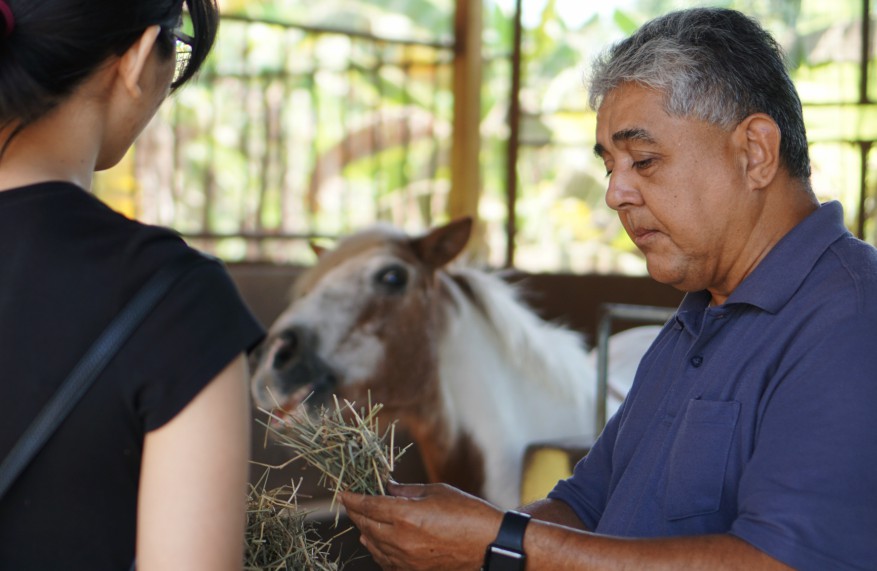
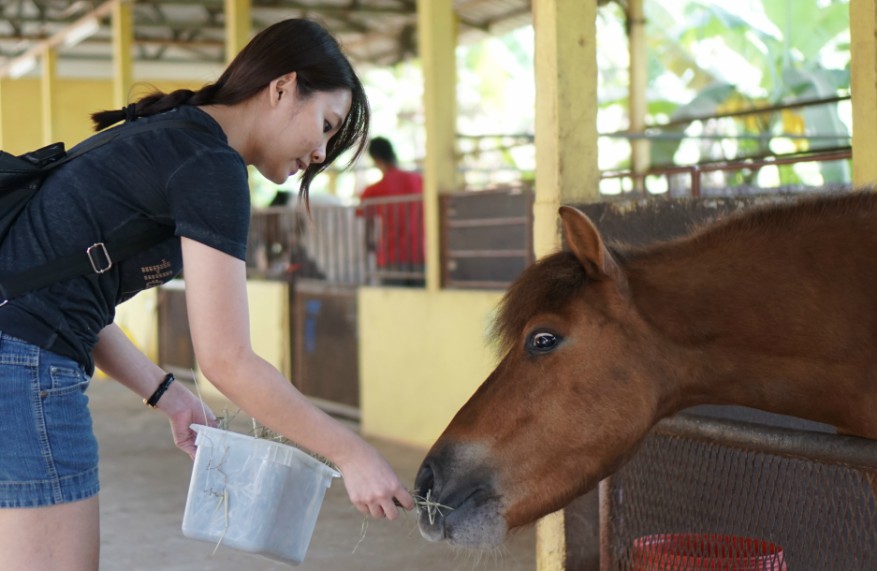
Owner - Wan Aikhsan, explaining on how to feed hays to the horses
Nutmeg Farm
Entrance of Countryside Stables, Penang

Countryside Stables is a privately owned property by Wan Aikhsan & Doris Lim. Their children were horse riders who represented the state of Penang. It all started when Wan Aikhsan’s son, Wan Adam decided to pursue horse riding. Wan Adam started horse riding in primary school. He was trained by a professional trainer from the Penang Turf Club and as he advances in horse riding, more horses were bought and trained to partake in competitions.

We were also informed that special kids visit the Countryside Stables Penang for therapy riding. Countryside Stables Penang is opened to the public not for profit but for the love of horses.

Did You Know?
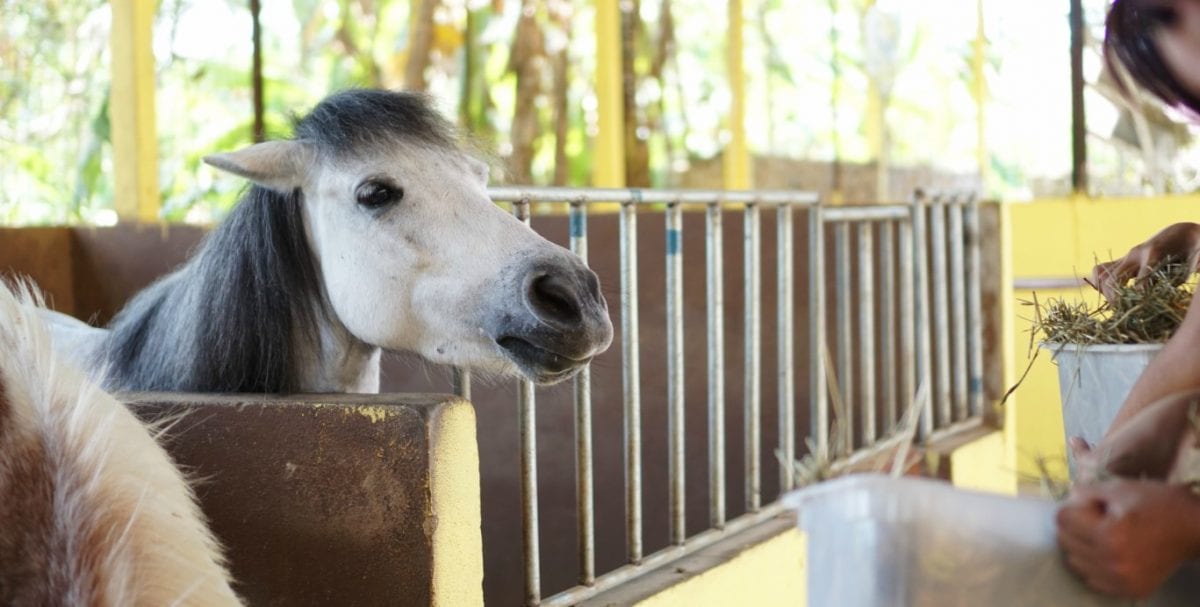
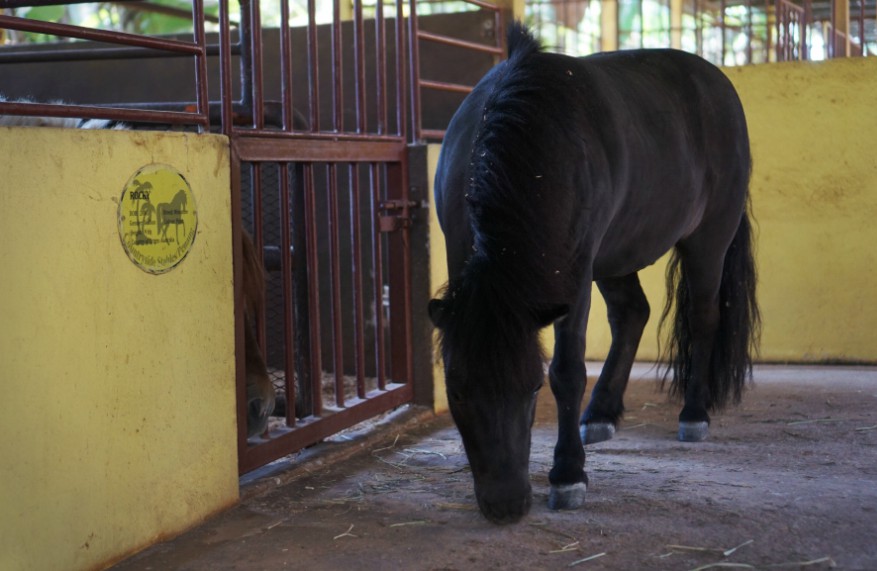
  • As of now, the Countryside Stables Penang houses 36 animals of various breeds including adult horses, ponies, miniature horses, deer, and donkeys.
  • There are many breeds of Horses: Australian horse breed, Argentina pony, Appaloosa horse breed (first in Penang), Uruguay horse breed, Australian Pony, Cambodian Pony, Arabian horse breed and more.
  • Horses are imported from Australia, Europe and the USA
  • The proper method of touching a horse where you stroke with the back of your hand at an angle that is not higher than the horse’s head. The saddles purchased are measured accordingly to all horse sizes instead of a one-size saddle. This is to prevent saddles from getting too tight when the horse grows bigger which will cause discomfort to the horses. Prices of expensive saddles can go up to $30,000 in which most were made from France
  • Miniature Ponies in the stable are not more than 32-inch in height
The horses in this stable are very well taken care of.
Nutmeg Farm
 
Nutmeg Farm
All horses are released to the field that is located within the stables every evening when is not too hot for them to get fresh air and regular exercises.
Nutmeg Farm
miniature pony...
Nutmeg Farm
All horses are released to the field that is located within the stables every evening when is not too hot for them to get fresh air and regular exercises.
Highlights:
  • Circle of Arena is catered especially for beginner riders and for training purposes. You also can have a Joy Ride or guided ride there.
  • Closed and shaded Indoor Arena with ceiling fans are built to host school activities and special events
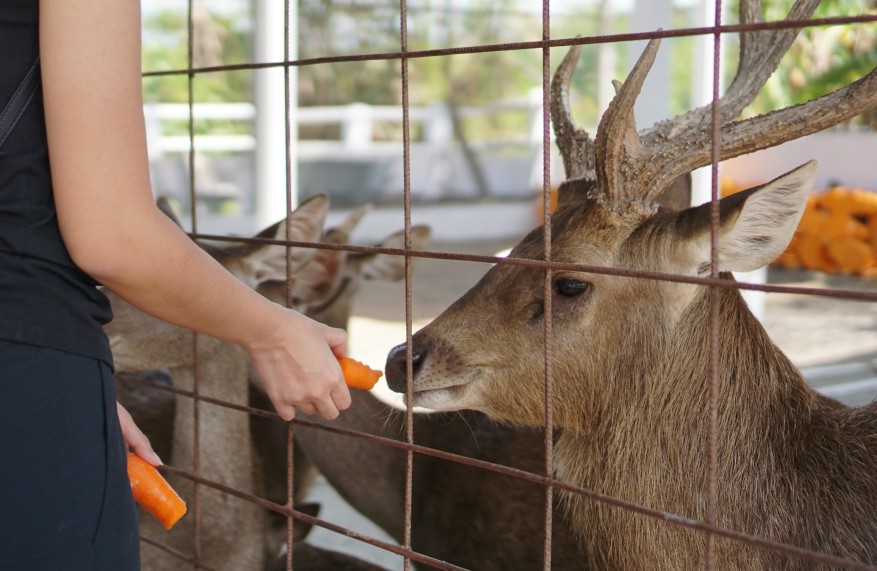
  • Mini Deer Farm houses a family of deer. You can feed the deer with the carrots provided (charges apply).
  • Animal Petting
  • Horse Carriage (Within Arena – 400 meter)
Animal feeding
Nutmeg Farm
Deer Feeding
Countryside Stables Penang

Operation Hours: 2.00pm – 7.00pm, Daily
Address: Lot 10050 Jalan Sungai Burung, Kampong Jalan Baru, Balik Pulau, 11000 Penang, Malaysia.
Email: [email protected]
Contact Number: +6012 408 0678
Website: https://www.facebook.com/countrysidestablespenang/

*picture credit : Countryside Stables Penang’s Facebook

Organic Food in Kuala Lumpur

The healthy food and eating clean movement has shaken the world by storm. Even if you’re going to miss out on the flavourful and delicious street and hawker fare of KL, don’t worry, we’ve got you covered for a few places that you can still eat clean and enjoy a delectable meal.

Parklife Malaysia

Clean eating can be delicious. For a healthy yet satisfying meal, check out Parklife Malaysia in Bangsar South. They can cater to all diets such as Vegan, Vegetarian, Keto, Paleo, Pescatarian to even satisfying Meat lovers.

Unit 5, Level Upper Ground, The Sphere No. 1, Avenue 1,
Bangsar South City No, 8 Jalan Kerinchi, 59200 Kuala Lumpur, Malaysia

10am to 9pm (Daily)

Picture credit: Parklife Malaysia

Huck’s Cafe

Huck's CafeAuthentic home cooking taken to a whole new level! How would you like to dine in the comfort of a home setting, away from prying eyes, where you can remove your shoes or slip into something comfortable without appearing like a social outcast?

At Huck’s Cafe, we do it for the love of sharing good food where everything is prepared fresh using mostly organic vegetables, spices, herbs (where available) and needless to say, without MSG, additives nor colourings and pork-free. Plus the chance to meet new friends and get requited with old ones.

22, Jalan Abdullah, Off Jalan Bangsar, 59000 Kuala Lumpur
+603 2282 2126
7pm to 11pm. Closed on Mondays
www.facebook.com/Hucks-Cafe

White Brick Oven – Artisan Bakery

White Brick OvenLovingly hand-made by master baker Martin (aka Mustaffa Abdullah) at his artisan bakery, the White Brick Oven in Kubu Gajah village, Sungai Buloh. It’s made from scratch with no additives, no preservatives, and 100% natural organic ingredients.
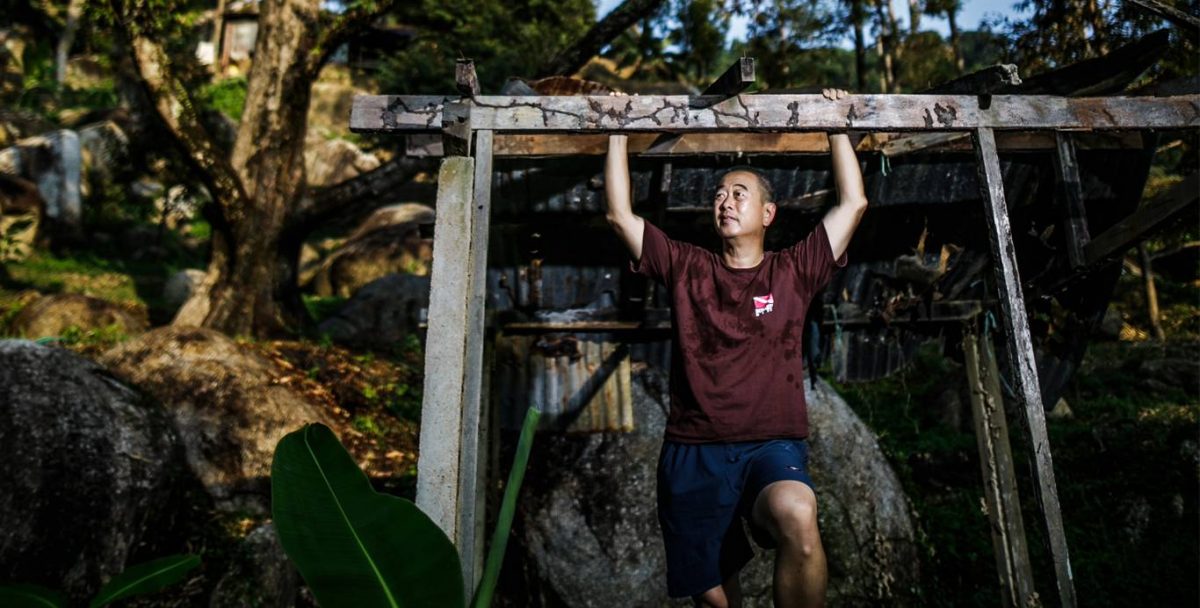
Martin even mills his own wholegrain, semolina and unbleached white flour, and makes his own sourdough yeast. His breads could be some of the best you’ll ever taste in Malaysia. White Brick Oven breads are sold at Jason’s Food Hall at Bangsar Shopping Centre as well at his bakery. Purchases can be made online too with advance notice. Freshly-made scones can be enjoyed at the bakery on weekends.

Jalan Gajah 14 Kampung Kubu Gajah,47000 Sungai Buloh, Selangor
Tel: 60 1 2971 1591
9am to 5pm. Closed Mondays & Fridays.

Eating Right Off the Trees at Bao Sheng Durian Farm

When Chang Teik Seng decided to go organic with his durian farm, he didn’t have a plan, nor did he know anyone who could guide him. All he had was fear: sparked by a visitor who shared with him the detrimental effects of using chemical pesticides and how his trees would die. He stopped farming the way he knew and switched over to organic methods instead.

“So I tried, and I paid a huge price,” says Teik Seng. In the first seven years, his durians weren’t sweet. “It’s like someone who eats meats losing a lot of weight when he suddenly becomes a vegetarian,” he explains. To tide through those tough times, he sold his harvests at half price and disguised their identities to manage customers’ expectations.

Going organic wasn’t the only bold decision he made. Most durian plantations also grow rambutan trees because the latter takes less than half the time to bear fruit. But Teik Seng had a problem with pests after he stopped using pesticides. It occurred to him, while standing under the hot sun one day, that maybe, his 100 rambutan trees shading the soil and trunk of the durian trees were the cause. So he chopped them all down. “If I chop only one, my wife would find out, and she wouldn’t allow me to deal with the rest!” He says in defense.

While Teik Seng’s wife did give him a piece of her mind, it turned out he was right. Not only did the pests leave, without the rambutan trees blocking the way, the durian trees grew lower branches and produced more fruits than ever before. Today, Teik Seng’s organic durians are more than just sweet. As the trees age, their fruit develop a nice bitter flavour, and a liquorlike aroma. If eaten within an hour after they fall off the trees, they even have a floral accent and a numbing sensation. This is why Teik Seng insists customers come by to taste them—his durians are not sold anywhere else but in his farm.

It is common amongst people of Balik Pulau to grow durians for their own consumption. Soo Goo Keh, who owns 5 acres of durian trees, even makes cakes and ice creams out of his harvests.
Trees that grow in close proximity to the rocks tend to produce durians that taste liquor-like.
Teik Seng has 200 trees in a hilly plot that spans 6.7 acres

H Directory

Bao Sheng Durian Farm

150 Mukim 2, Sungai Pinang, 11010 Balik Pulau
Tel: +6012 411 0600
Call to enquire about entry or day pass.

A Hawker Fare: Peanut Pancake

One of the many fascinating facets of Kuala Lumpur can be found at Jalan Petaling (Chinatown). The central marketplace is dotted with stalls and has grown into an identity with a unique soul that’s very much its own.

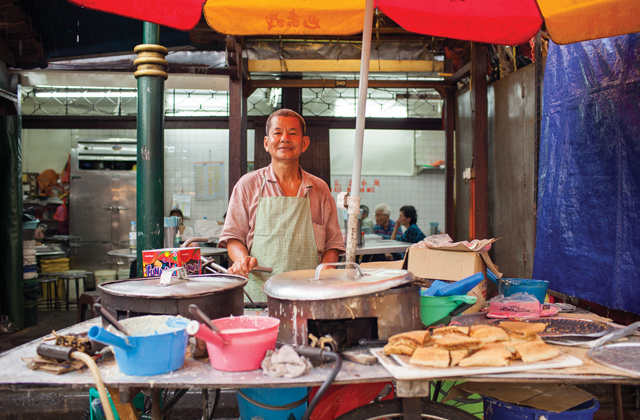
Here, a few hawkers have even achieved celebrity status, such as the iconic peanut pancake or apam balik hawker.

Peanut Pancake Kuala Lumpur

This very friendly Chinese senior will pose for a quick photo as he goes about making his signature snack – a crunchy pancake with crushed peanuts and sugar spread on the inside, folded up and cut into large slices. A live cooking show entails, chat him up as you relish the delicious snack.

Peanut Pancake at Kuala Lumpur

Jalan Hang Lekir
Opening Hours: 12 noon to 9pm, daily

Watch the peanut pancake-making process below where pancakes are the stars of this no-name pushcart, which has been in operation for more than 50 years. More than 100 plates of peanut pancakes are sold every day to crowds who eagerly await a magical mix of margarine, flour, peanut and sugar.


Off the Beaten Path in Your Own Backyard

Vines jostle shrubs, ferns fan into trees, branches thick and thin criss-cross leaves long, wispy, broad, stout. Evergreens of every shade sprawl in all possible directions.

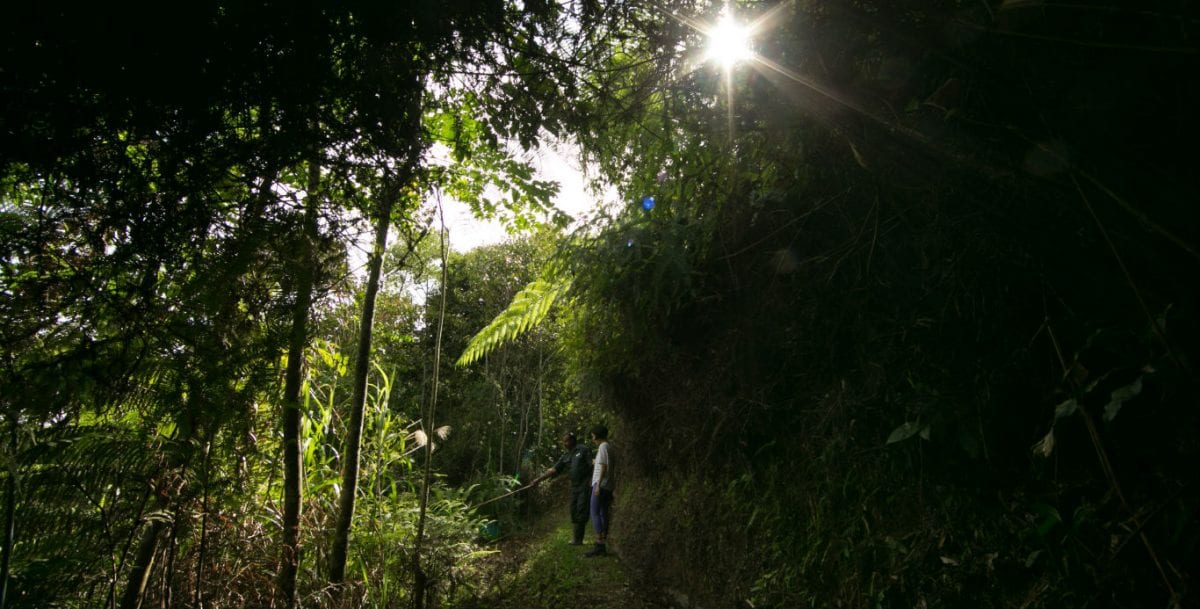
No wifi. No map. Only Rajah. Our personal guide to private hill forest, both compliments of The Lakehouse. With machete in hand, Rajah leads Alvin and I up steep steps behind the resort. Concrete abruptly switches to soil, moist from the morning’s tropical storm. The path is narrow. Barely a foot wide, it was cut by Rajah and two men over three months in 1994, extending a fifteen-minute trail to an hour-long course to appease the more adventurous guests. I hold my tree branch tight, my first trekking stick.

The path plateaus briefly before the forest thickens. Feet pause as our cameras consider new views of The Lakehouse, perched 1000 metres above the sea, already two storeys beneath within our hike’s first minutes. Rajah begins to show us forest secrets. A single white orchid, hidden behind a fern. Small thorny succulents, Nature’s teepees for ants.

The afternoon is cool. The forest, full of birds, cricket and frog song. Save for these creatures, we have the woods all to ourselves. For 23 years, Rajah conducts treks only once a day, at 10am, only for resort guests.

Thwack! Rajah hacks an overhanging green, servicing adventure’s way. At 63, Rajah Selvaraja is strong and sprightly. Head gardener, forest father, gentle guide, he forges ahead with reassuring ease. We follow briskly, up the rapidly rising path. Words fade as air thins. Our eyes pay attention, scanning for level ground.

Our c-shaped trail curves its spine along state reserve borders. Past three faded arrows on rusty signs, there’s no telling where the private forest ends, where state property begins. Here at 1500 metres, there’s no turning back. We have no bearings. Only Rajah.

Inside, jumbled growth and beauty envelop. Vines jostle shrubs, ferns fan into trees, branches thick and thin criss-cross leaves long, wispy, broad and stout. Evergreens of every shade sprawl in all possible directions. Except for Rajah’s path, Nature leaves no blanks. Her infinite foliage is an awesome blur.

Named by Rajah, a tiny “Snowzilla” pokes up among the chaotic jungle wild..
Head gardener Rajah helps guests from The Lakehouse identify plants along its private trail.
Born in the Highlands, Rajah Selvaraja, 63, knows the mountain by love and feel.

Thankfully, Rajah grew up among her trees. Born and bred in Cameron Highlands, he knows the mountain by love and feel, like a groom his bride. With his trekking stick, he proudly details her quirks; wild bamboo, banana, ginger, palm and pineapple trees, all inedible except for young bamboo tips. Higher up, under towering trees, Rajah shows us smooth seeds strewn over roots, once his childhood playthings. A self-taught horticulturalist, Rajah patiently distills the forest’s complexity.

While flora abounds, fauna is nowhere in sight. Our desire to see wildlife is stirred by stories from Rajah’s personal jungle book. “Monkeys come in groups.” Highlighting freshly ripped seed pods, “See, monkey’s food.” Rajah continues, “Turtles, black panthers… Once a leopard was seen… sometimes wild goats emerge…” Pointing to a hollow in the ground, he says, “Anteater was here.” We encounter the forest’s rich biodiversity, as Rajah alternates between memory and mise en scène.

Along the way, Rajah identifies several wild boar tracks, imperceptible to Alvin and I. “Their tusks, very long!” We spot a wild boar trap; a makeshift wooden fence, apparently set by natives hoping to make a sale. “I take traps out,” Rajah declares but hikes on. Presently, shepherding us is his only concern.

Soon we are descending quickly. The terrain steers our feet down vague rungs of earth, loosely bound by ancient roots. Gravity makes everything wobbly. Leaning back as a counter, my feet falter. “Use your stick”, Rajah advises, offering his hand. Trees soothe the soul, but Rajah guards the group.

When we step back into the sun, a row of morning glories greet us, like poms-poms at the finishing line. At The Lakehouse porch, a green hummingbird crowns our homecoming, nectaring amid a cascade of orchids. It takes its time to drink Nature in, letting her revitalize the senses, just as we did.

Editor’s Note:
Rajah has retired from The Lakehouse, guests can now join Airul and Noyon for such activity.