Chasing Paradise: Experience Malaysia’s Finest Destinations

From lush mountain-side tea plantations to sun-drenched golden beaches, experience the sights and sounds of Malaysia’s finest destinations.

The tranquility of nature’s untouched beauty, the twinkling lights of a skyscraper-dominated skyline, the charm of centuries-old heritage sites—Malaysia promises nothing short of the adventure of a lifetime.

Lying just North of the equator, the country is a tropical paradise with a rich multi-ethnic population, creating a melting pot of mouth-watering cuisines, linguistic borrowings and cultural traditions. From top to bottom, coast to coast, this Southeast Asian haven offers a dazzlingly diverse variety of travel hot spots.

Rejuvenate your senses with the wonderful feeling of silken sand beneath your feet, or the nip of a minty mountainous breeze, or the rattle of a high-speed trishaw tour—whichever piques your interest the most. With a multitude of choices all within a day’s travel from the capital city of Kuala Lumpur, here are some of the best destinations and activities that Malaysia has to offer.

The Boathouse Pulau Tioman

Embrace the essence of Kampung (village) living and local hospitality at The Boathouse Pulau Tioman. Situated off the east coast of Peninsular Malaysia, this rustic beachfront accommodation is a refreshing retreat from the bustle of the city and an ideal destination for some fun in the sun.

Create unforgettable memories by embarking on maritime experiences off their crystalline shores. Explore the wonders of the underwater world through snorkeling, or go on a PADI-certified dive with a professional guide—one thing is for certain, your next adventure is right around the corner, where breathtaking discoveries await.

Casa del Rio Melaka

Indulge in the old-world charm and picturesque riverside landscapes of Casa del Rio Melaka, a cozy getaway with sweeping Mediterranean and Peranakan-inspired flourishes.

Just a stone’s throw away from UNESCO World Heritage sites, history buffs would delight in the rich tapestry of iconic landmarks nearby, such as the Stadthuys, the oldest remaining symbol of the Dutch’s conquest, and the Maritime Museum of Melaka, housed within a magnificent replica of the sunken 16th-century Portuguese ship, Flor de la Mar. Jonker Street, famed for its eclectic collection of local stores and street food vendors, is also a short five-minute walk away.

The Lakehouse Cameron Highlands

Escape from the stressors of daily life in the Tudor-style country house of your dreams—The Lakehouse Cameron Highlands. Nestled amidst lush greenery and dotted with a kaleidoscope of vibrant flowers, this rustic property is a gorgeous getaway and even offers complimentary guided jungle treks to help guests reconnect with nature.

A must-see destination in Cameron Highlands are the almost century-old BOH Tea Gardens. Stop by the hilltop cafe for a pot of aromatic tea and admire the idyllic views of the terraced tea plantations, spanning as far as the eye can see.

Hard Rock Hotel Penang

Dive right into the action at the sun-soaked, seaside Hard Rock Hotel Penang. Pamper yourself with a tune-infused Rock Spa, join in on the nonstop daily pool activities and jam out to all-night entertainment.

While you are here, discover Penang’s rich mosaic of historical landmarks, protected and preserved for their cultural significance. Explore the stunningly colorful streets of George Town, a UNESCO World Heritage site covered in iconic street art, as well as the architectural marvels of Kek Lok Si Temple, an important pilgrimage center housing a vast collection of Guanyin goddess depictions in carvings, statues and paintings.

Casa del Mar Langkawi

Burrowed amidst swaying palm trees and the sweeping golden shores of Pantai Cenang, Langkawi, Casa del Mar paints the perfect picture of a tranquil hideout with its Mediterranean-style architectural and quaint red roofs.

Embark on a meaningful journey of discovery throughout the archipelago of 99 islands, dubbed the Jewel of Kedah for its aquamarine waters and fascinating biodiversity. Quell your adventurous spirit with the thrill of island hopping or jungle trekking, and unwind with some retail therapy at Langkawi’s night markets and duty-free stores. Don’t forget to hitch a ride on the Langkawi Cable Car for breathtaking panoramic views.

Mapping Old KL’s Modern Revival: Part 2

The journey continues as we delve deeper into Kuala Lumpur’s ever-evolving cityscape. From former cinemas turned cultural hubs to colonial-era shop lots transformed into vibrant social spaces, KL’s architectural treasures continue to shape the city’s narrative.

Part 2 of our 2-part walking tour within 3.5 kilometres of Concorde Hotel Kuala Lumpur, we continue to explore gentrified spaces and well-preserved ones. Read Part 1 to start the tour from the hotel.

08 Fun Wong Biscuits

07 → 08 »» 1 MIN
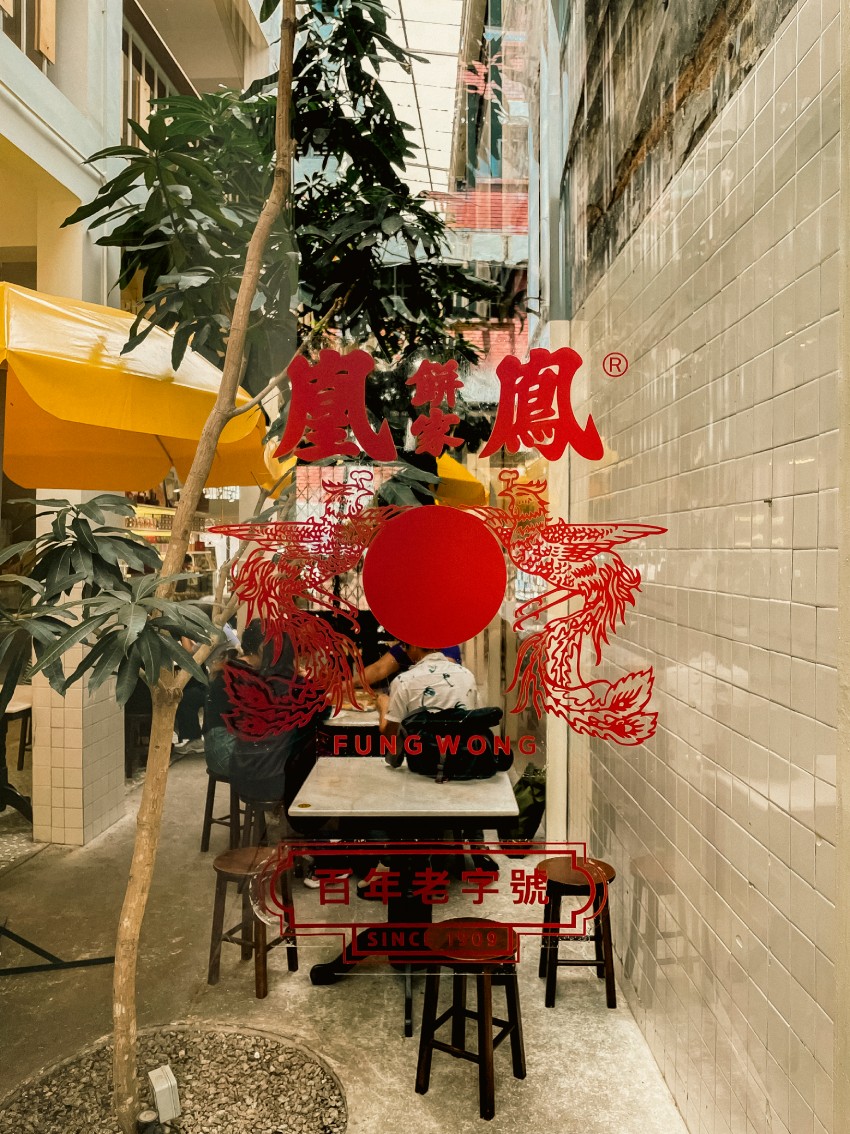
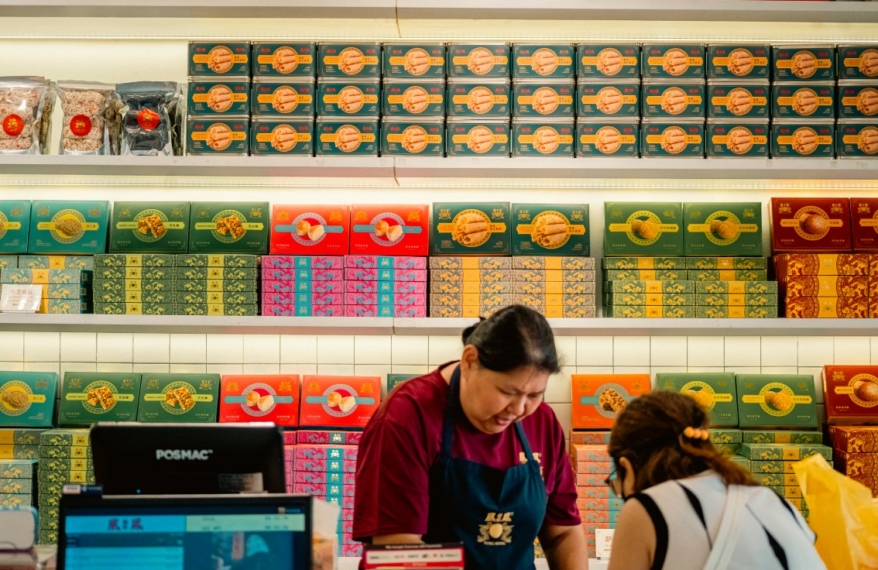
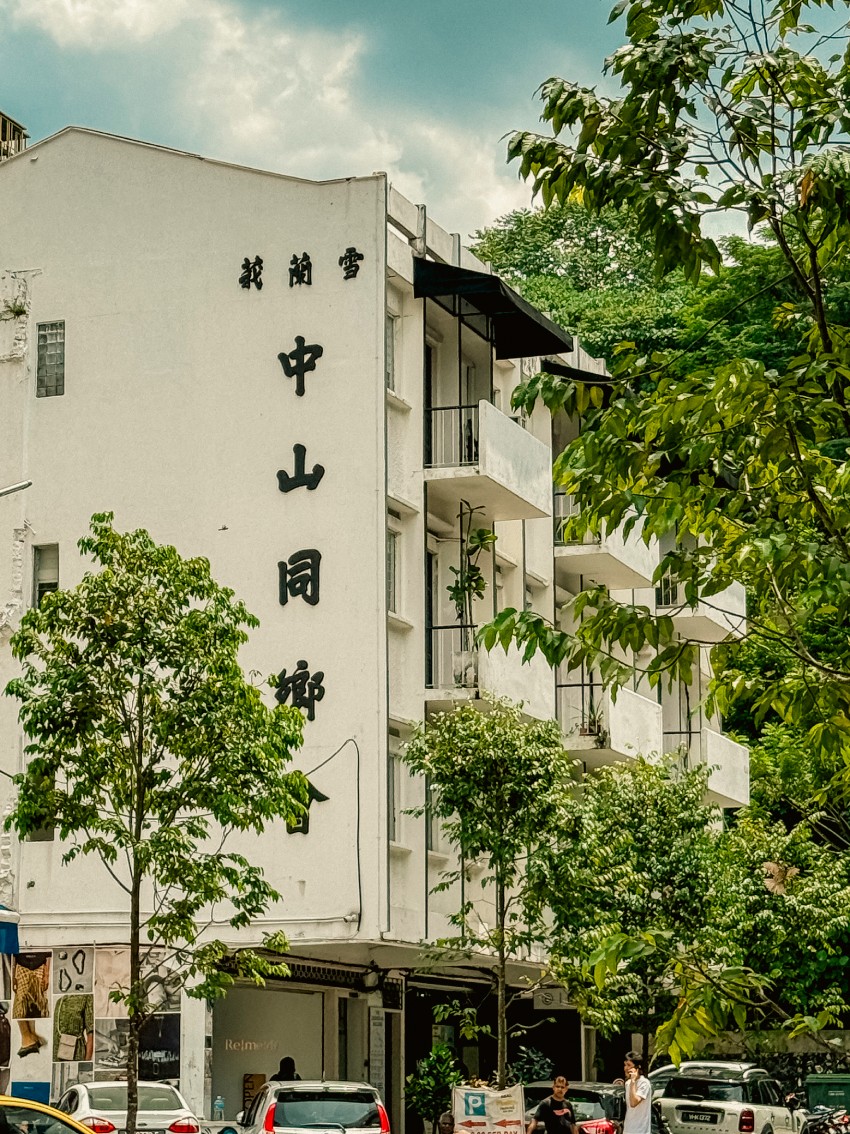
Our next stop, Fung Wong Biscuits, is just a stone’s throw away from REXKL. Walking out the front doors, this stretch of Jalan Sultan brings together a lively blend of cuisines and street food, enticing hungry passersby with whiffs of clam soup and satay. Fung Wong Biscuits stands out as one of the only two shops with leafy trees at their storefront—a rare touch of natural greenery in the concrete jungle.

Against sun-worn signages and droopy awnings, Fung Wong Biscuits’ storefront stands out with their refreshingly elegant traditional lettering—befitting a fourth-generation family business still hand making 2,000 pastries daily.

As a generational family business, Fung Wong Biscuits has mastered a natural aptitude for bringing together the best of all eras past and present, be it in their traditional Chinese pastries, or their tasteful interior design.

Melvin Chan, the fourth-generation owner of Fung Wong Biscuits, has been working at the shop since he turned 18, taking over after his father’s retirement. In 2021, he made the executive decision to move the business from its founding location to its current lot on Jalan Sultan —a plan that his father heavily disagreed with initially.

But as it turns out, it was the right call. Giving the century-old business a modern make-over has renewed interest in the pastries, and in addition to bringing his old regulars with him, Fung Wong Biscuits is now a hang-out spot for younger fans who pop in for a quick bite.

Melvin’s philosophy is simple: to pass on the torch of Chinese heritage to the next generation. These are more than just fighting words, it’s evident in every deliberate choice—from the seamless blending of old-school and modern interior design, down to the preservation of pastry recipes, albeit with reduced sugar and oil in keeping with the present-day health consciousness.

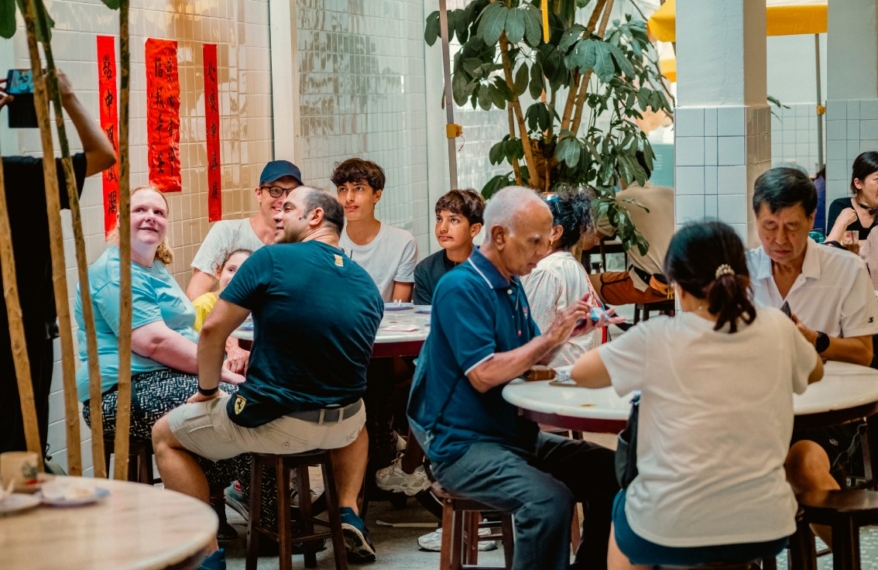
Customers from all walks of life, foreign and local, enjoying a leisurely afternoon tea.
Nutmeg Farm
This section of the shop was once an alleyway, but is now a sunny courtyard.
Nutmeg Farm
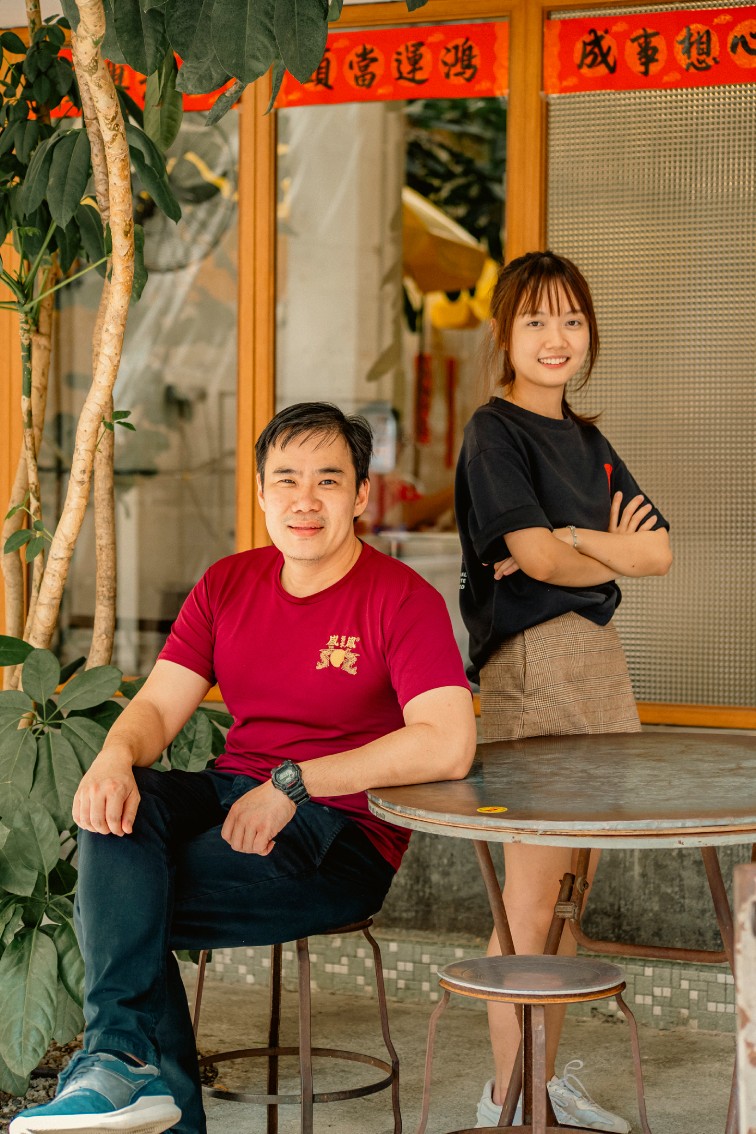
Fung Wong Biscuits' current fourth-generation owner, Melvin Chan, poses alongside his business partner from Floccus Floccus, Hooi Hoon. Together, they're spreading the joy of traditional Chinese pastries to the masses.
Nutmeg Farm
Honoring tradition with a modern touch —Fung Wong Biscuits’ vibrant packaging fits perfectly into the redesigned space
Nutmeg Farm
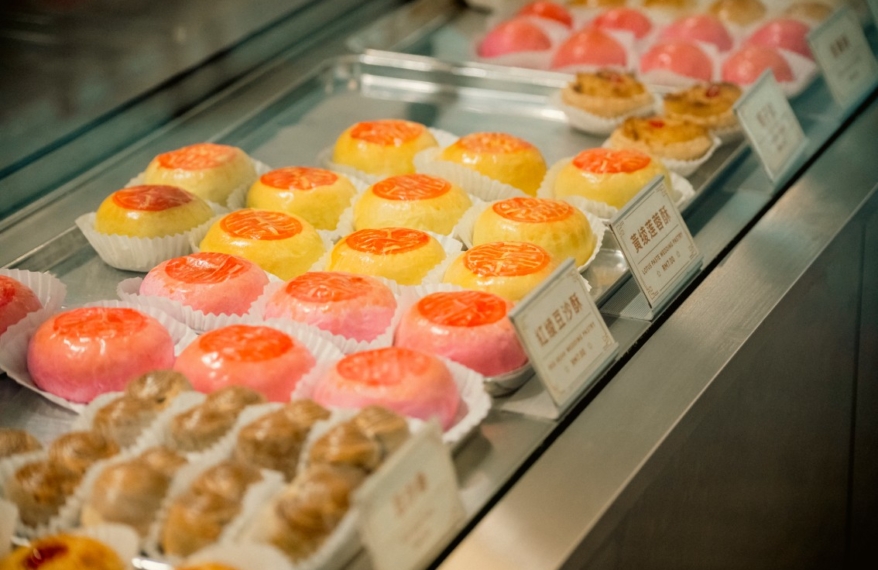
Among other delectable pastries are red and yellow Chinese bridal cakes traditionally sent to relatives alongside wedding invitations.
Nutmeg Farm
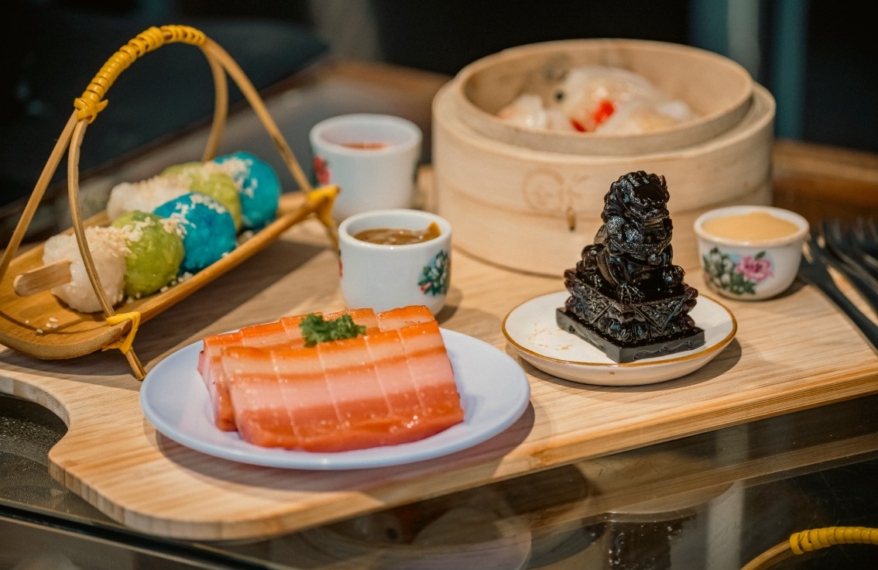
Some of Floccus Floccus’ creations, the goldfish Kingu Chai Kuih, alongside the newer Stone Lion jelly and Siew Yoke Kuih.

09 Jao Tim

08 → 09 »» 2 MIN
Leaving Fung Wong Biscuits, Jao Tim is another short walk further down Jalan Sultan. Though lesser in volume here than around Petaling Street, there’s still a decent crowd on the streets, with many stopping to peer at the menus of roadside restaurants. There are also classic Chinese tea shops around, where one can enjoy an aromatic cup of tea while resting their feet. As we near, we keep our eyes peeled for an art-deco style signboard bearing the letters ‘J.T’.

The well-worn stairs leading up to Jao Tim transgress time and space. Cafe by day and jazz lounge by night, the bustle of Chinatown melts away behind Jao Tim’s doors.

At the top of the stairs, we are greeted with an oaken concierge stand, boldly emblazoned with ArtDeco-era patterns.

While a seemingly odd choice for a cafe and event space, it harkens to the history of the 110-year-old building, originally intended to be a hotel. The Art Deco movement was prominent at the time, comforting a post-war society with luxurious flourishes such as golden light switches and green banker’s lamps.

While its name was derived from the Cantonese word for ‘hotel’, Jao Tim is now synonymous with the local jazz scene and a fantastic platform for up-and-coming artists.


By nightfall, Jao Tim morphs from a vintage cafe into a sophisticated jazz lounge where music lovers congregate to marvel at the soulful performances put on by talented local artists.

Born and raised in Miri, Sarawak, Clinton Jerome Chua is a phenomenal singer-songwriter who performed at the Table Lamp Concert we attended, giving a heartfelt performance in tribute to Stevie Wonder. His genre-defying, 10-track debut album, Therapy, can be found on Spotify, and you can catch up on his latest performances and music releases by following him on Instagram @clintonjeromechua.

11 Chocha Foodstore

09 → 11 »» 4 MIN
Outside Jao Tim, the hum of Jalan Sultan greets you—cars passing, eateries bustling, and gift shops displaying postcards and batik clothing. Turning left onto Jalan Petaling, past Pak Tai Foto, its vintage storefront whispers stories of generations captured in faded colour prints. A few steps more and a rather unassuming Chocha storefront welcomes us.

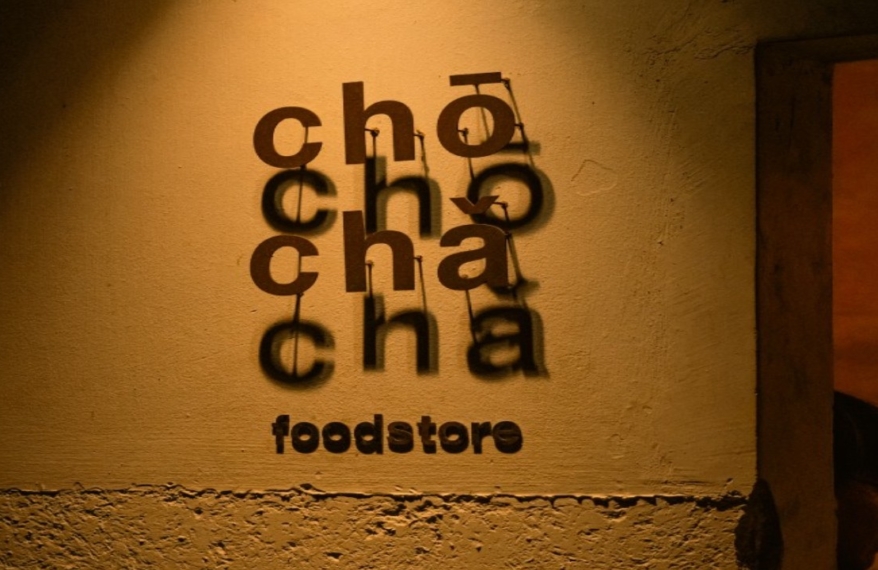
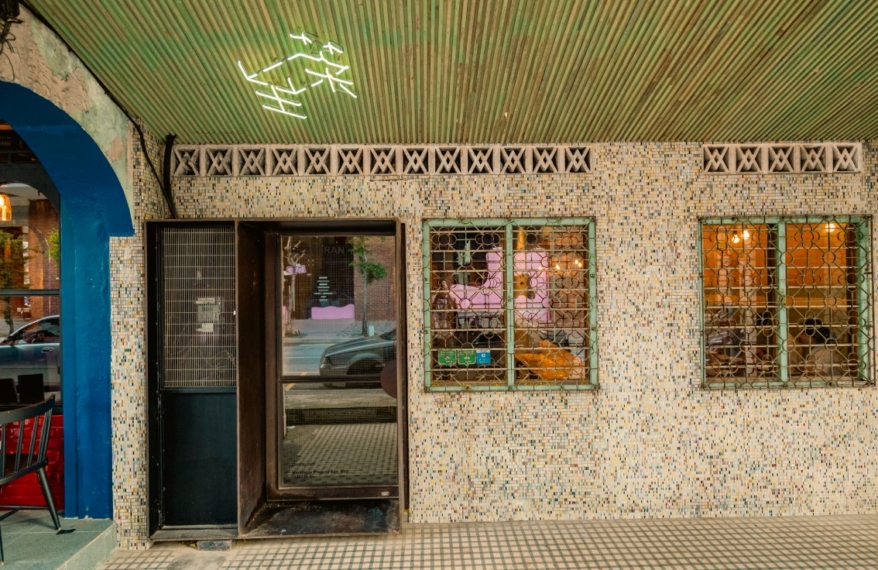
Chocha Foodstore hides in plain sight by retaining the building’s original 1969 signage, salt-and-pepper mosaic walls, and window latticework. Only an LED fixture of its logo hints at its existence.

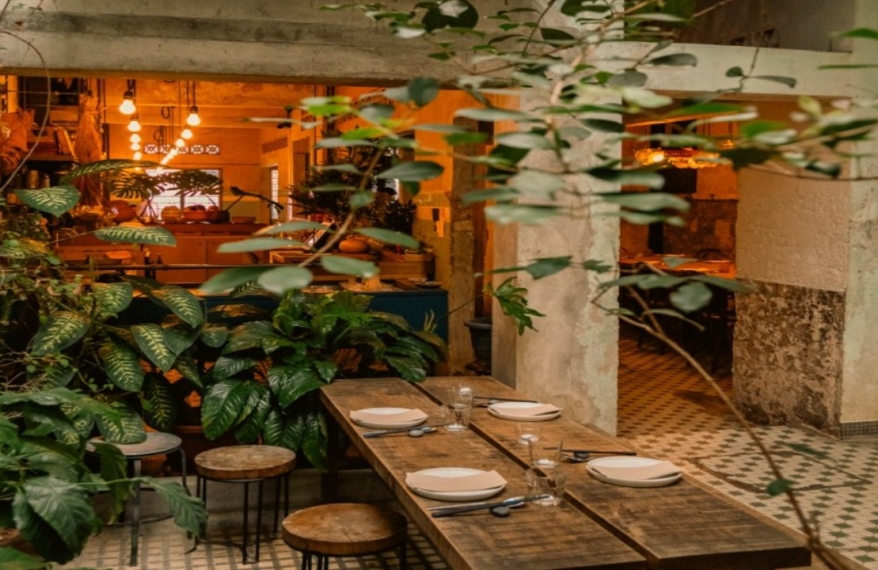
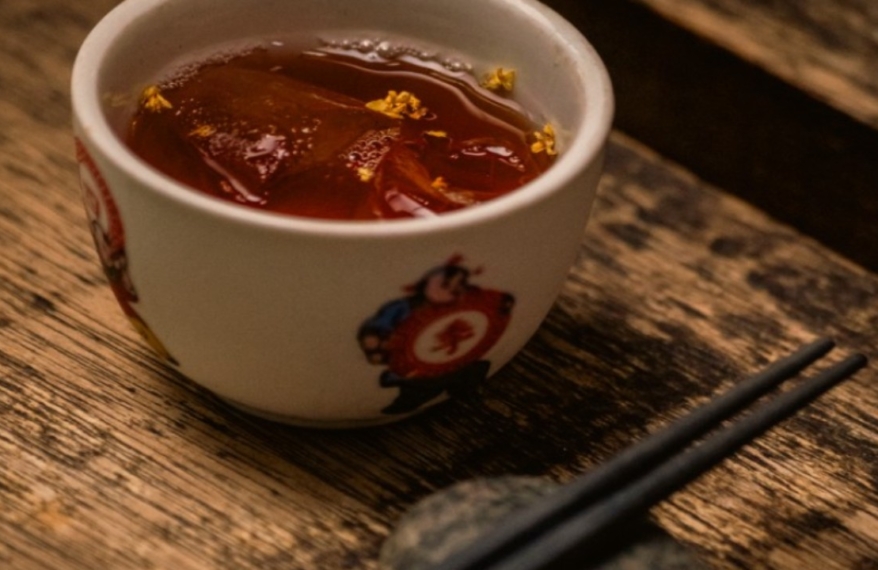
Chocha Foodstore feels like home. There’s something nostalgic about its chipped pillars, exposed beams and old-school courtyard skylight that makes it the ideal place to sit down for some tea—which is roughly what ‘Chocha’ translates to in Cantonese.

Before he moved on to larger-scale projects like REXKL, Chocha was Shin Chang’s first local urban rejuvenation project. Originally planning to open several stalls, similar to REXKL’s Back Ground Marketplace concept, Chocha eventually carved out a niche for itself in contem-porary local cuisine.

Established as Mah Lian Hotel in 1969, Chocha is the only establishment on the block to have kept all the rustic features of the building, such as the sunken courtyard and even the mosaic tiles. Youn Chang, the co-owner and manager of Chocha, tells me that some of their future plans include moving the Botakliquor Bar downstairs, leaving the upstairs to be developed into something exciting.

The chipped walls bear witness to the many guests welcomed from the past to the present.

Nutmeg Farm

Chocha's rustic courtyard was preserved, and now bathes in natural light, surrounded by greenery.

Nutmeg Farm

The Chocha storefront has remained unchanged, from the tin rafters to the louvred windows. The LED logo shows the Chinese characters for ‘wood’ and ‘earth’ forming the foundation for Chocha.

Nutmeg Farm

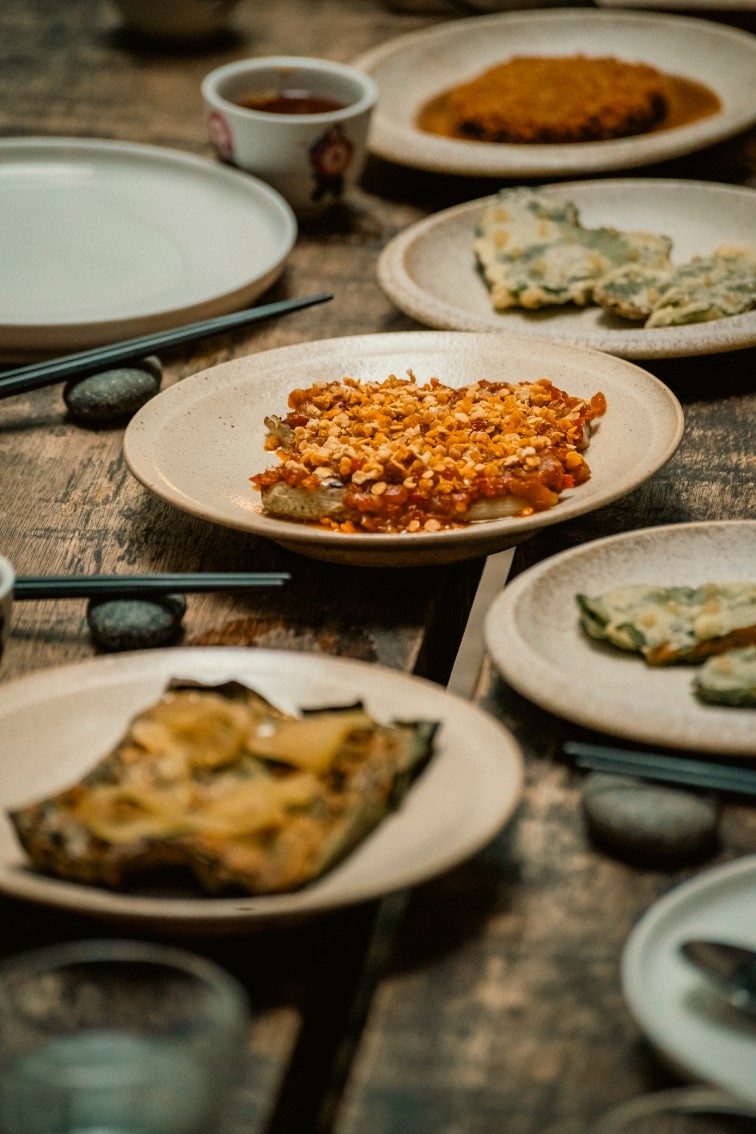
The menu is curated by a Sabahan chef, whose knowledge of local cuisines and experience experimenting with the menu promises patrons a gastronomy adventure every time they visit. Don’t forget to pair your meal with their specialty tea selections!

Nutmeg Farm

The menu is curated by a Sabahan chef, whose knowledge of local cuisines and experience experimenting with the menu promises patrons a gastronomy adventure every time they visit. Don’t forget to pair your meal with their specialty tea selections!

12 Chan She Shu Yuen

11 → 12 »» 1 MIN
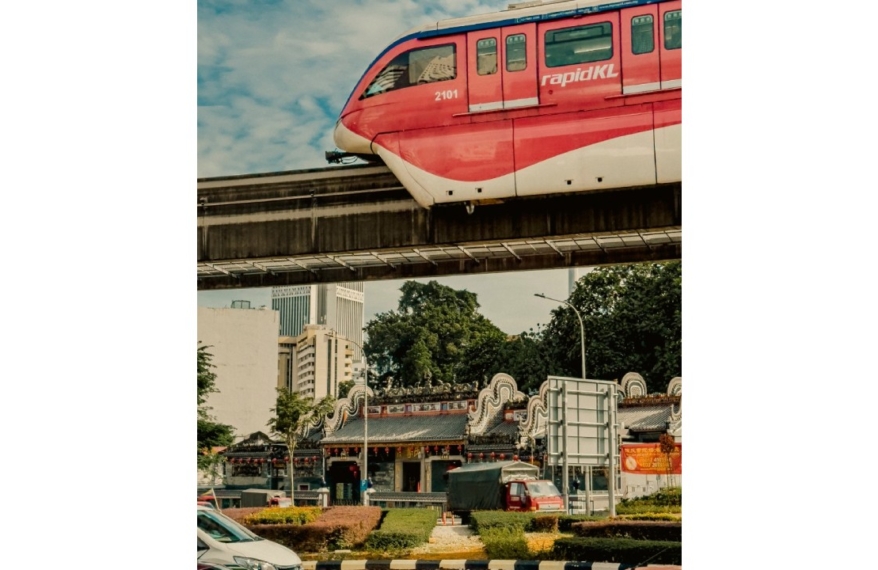
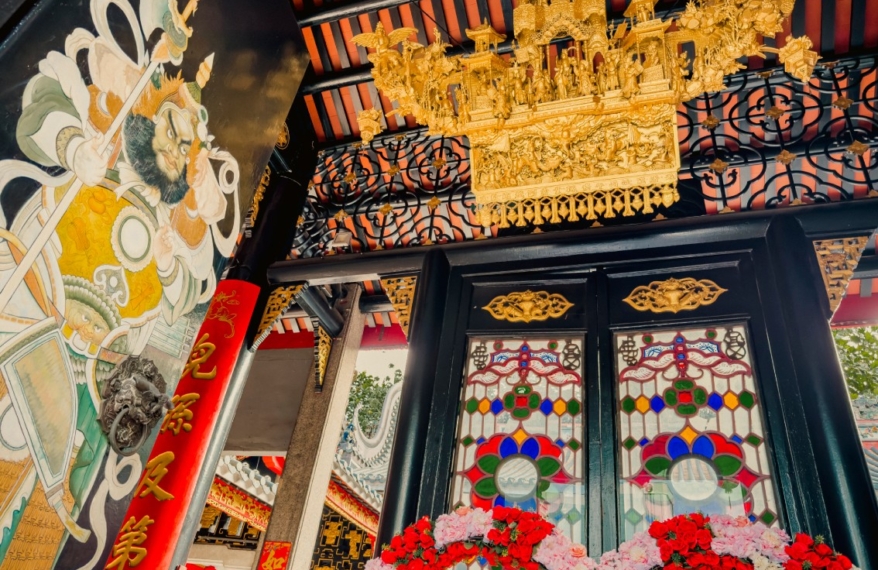
Setting off from Chocha, the CSSY Clan Ancestral Hall is a mere 2-minute walk away. By the end of the block, we could already see the Clan Ancestral Hall’s iconic monochrome rooftops with their sculpted carp fishtail curls peeking over the car park gates. A monorail tram speeds overhead, heading down to the nearby Maharajalela station, as we pass by the meticulously carved perimeter walls and through the imposing double doors.

Established in 1906, the Chan She Shu Yuen Clan Ancestral Hall (CSSY) is one of the world’s best-preserved Cantonese heritage sites outside of China, acclaimed for its legacy and architecture.

For a structure built over one hundred years ago, the CSSY Ancestral Hall cuts an imposing figure, even in the age of monstrous skyscrapers. Built to emulate the Chan Clan Ancestral Hall in Guangzhou, China, no expense was spared in its construction, down to importing building materials such as the tiles and wood pillars.

Consequently, CSSY is now one of the few well-preserved Cantonese structures outside of China, and has been declared as a protected heritage building by the local government.

In particular, the immaculately hand-sculpted pottery and ceramic art adorning the hall’s rooftops have captivated visitors. These masterpieces are the handiwork of Master Wu Qiyu and can be viewed within the Heritage Gallery.

The CSSY Clan Ancestral Hall, framed by the busy Jalan Kinabalu and a RapidKL Monorail that had just left the Maharajalela station

Nutmeg Farm

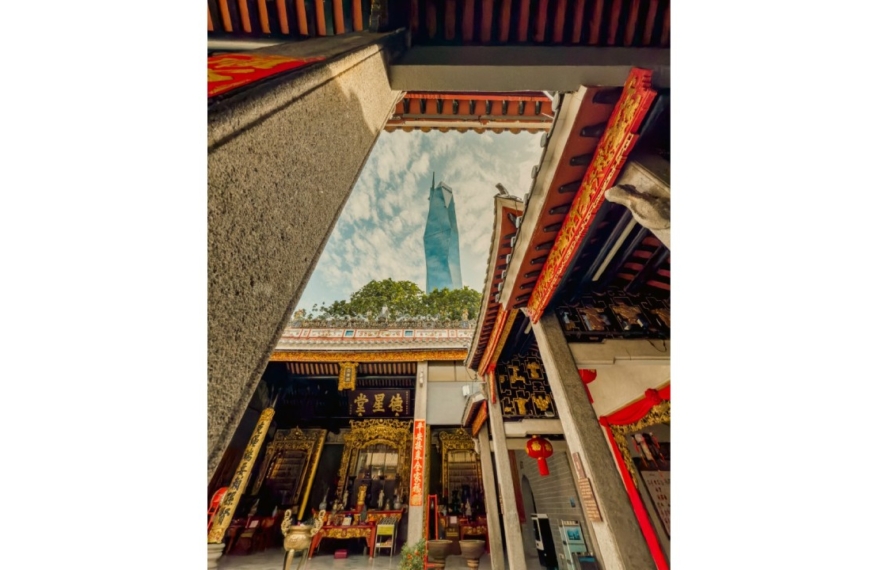
Looking out from within the century-old courtyard walls, we spot the tallest building in Malaysia.

Nutmeg Farm

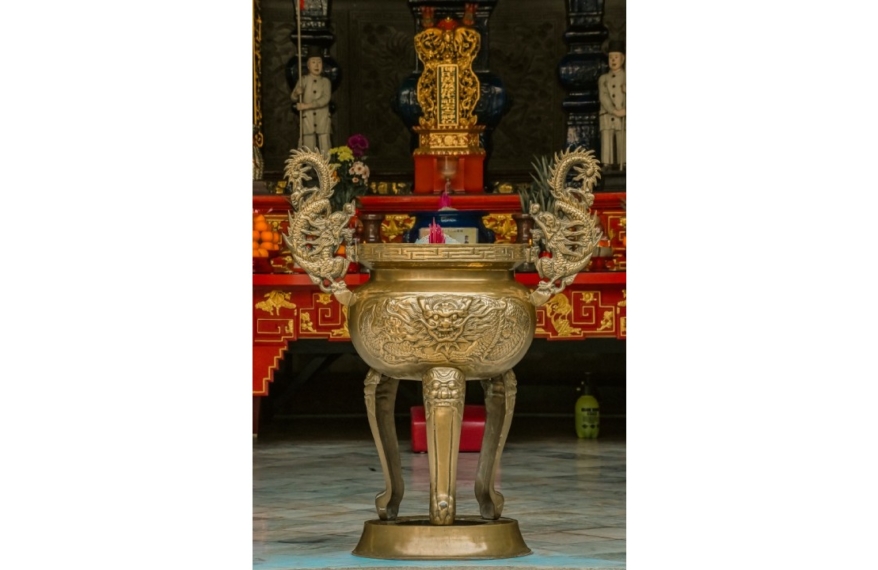
The gilded incense pot's splendidly detailed dragon carvings are auspicious symbols in Chinese mythology.

Nutmeg Farm

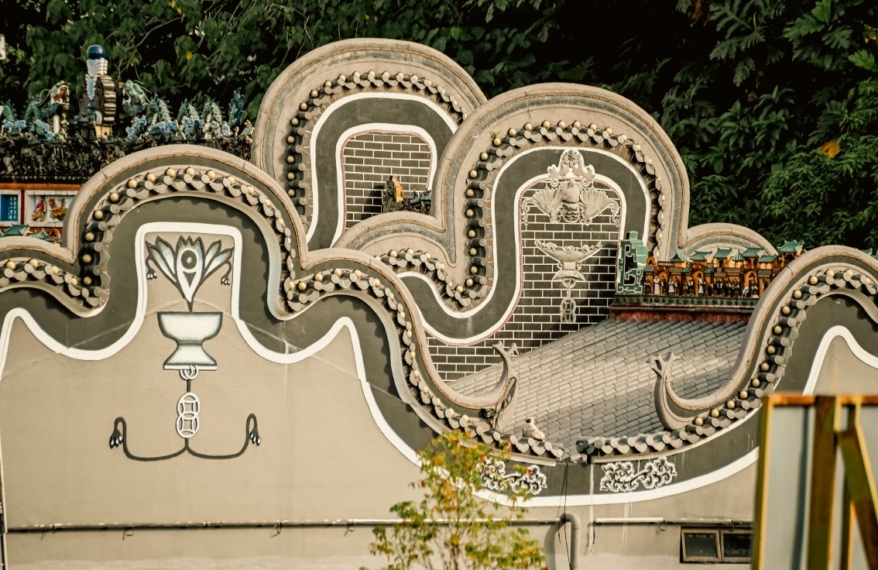
The ‘Wok Ears’, or the curved walls at the ends of roofs, are a distinct Lingnan architectural feature which prevents sunlight from directly hitting the building for cooler indoor temperatures.

Nutmeg Farm

Hanging from the ceiling between the two sets of doors, is a breathtaking golden wood sculpture depicting the battle between Li Yuan Ba and Yu Cheng Weng Du.

Nutmeg Farm

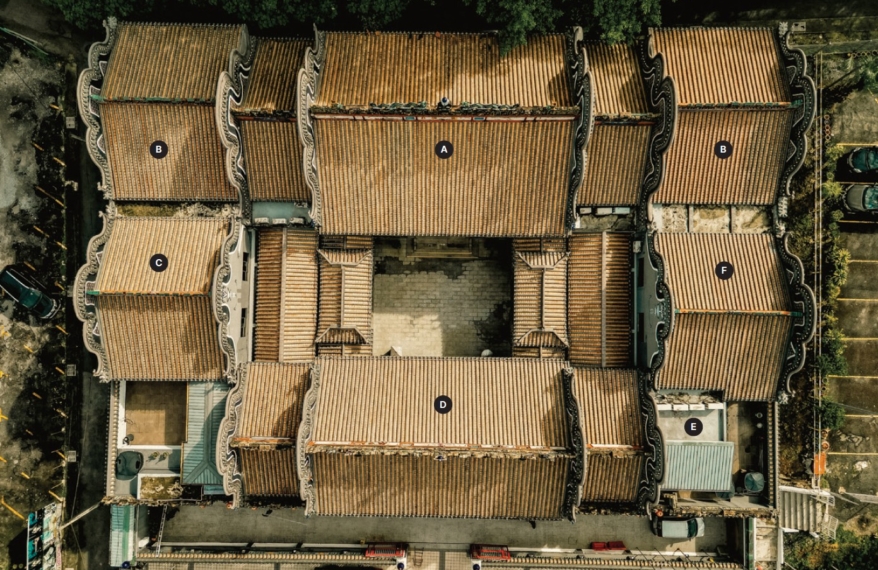
A. The Main Hall, or also known as the De Xing Hall, is where people pay their respects to Chan ̛s Great Ancestors and perform traditional rites; occasionally, marriage ceremonies are also performed here.
B. Known as the ‘Zuo Zhao You Mu’, these rooms enshrine the descendants of Chan on wooden memorial plaques, intricately carved with golden patterns.
C. This part of the Clan Ancestral Hall is inaccessible to the public, as it ̛s the CSSY staff office.
D. Immediately upon stepping through the entrance of CSSY, there is a second set of doors—a popular Lingnan architectural feature. These doors are adorned with sophisticated wooden carvings depicting a classic scene in Chinese mythology, ‘Kirin Delivering Child’.
E. The CSSY Hall of Fame documents the story of the temple ̛s establishment and its founders. Other notable figures throughout history who were named Chan or any of its variations have also been commemorated here.
F. Usually closed off, the Lai Jing Hall is an event space only opened for special occasions.

13 Stadium Merdeka

12 → 13 »» 4 MIN
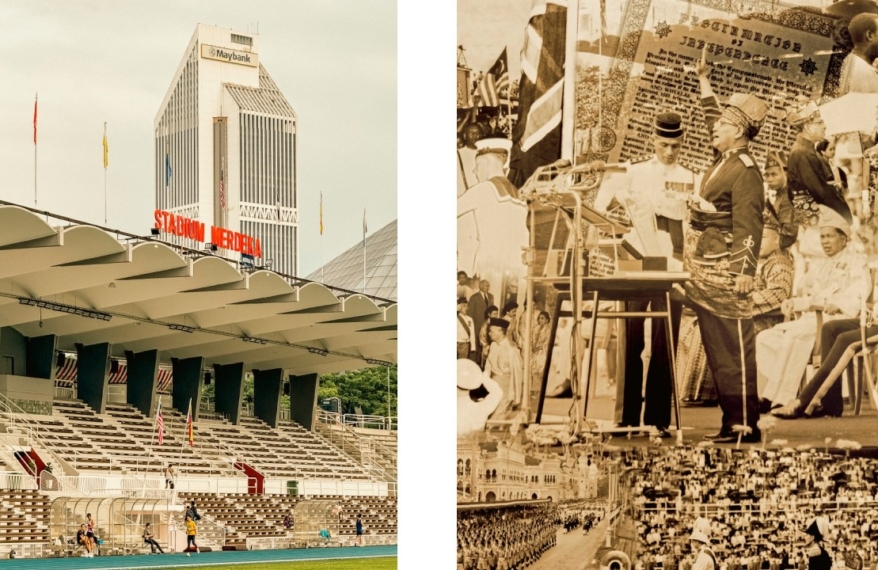
Starting at Chan She Shu Yuen, step onto Jalan Stadium before turning onto Jalan Maharajalela, where the city’s modern bustle meets traces of history. As we ascend the pedestrian bridge, the iconic Monorail track hums overhead, guiding our path. Soon, Stadium Merdeka emerges— Malaysia’s hallowed ground of independence, where Tunku Abdul Rahman once declared the nation’s freedom in 1957. Standing before its historic façade, we sense the deep echoes of the past amid KL’s ever-evolving skyline—a short yet powerful urban journey through time and transformation.

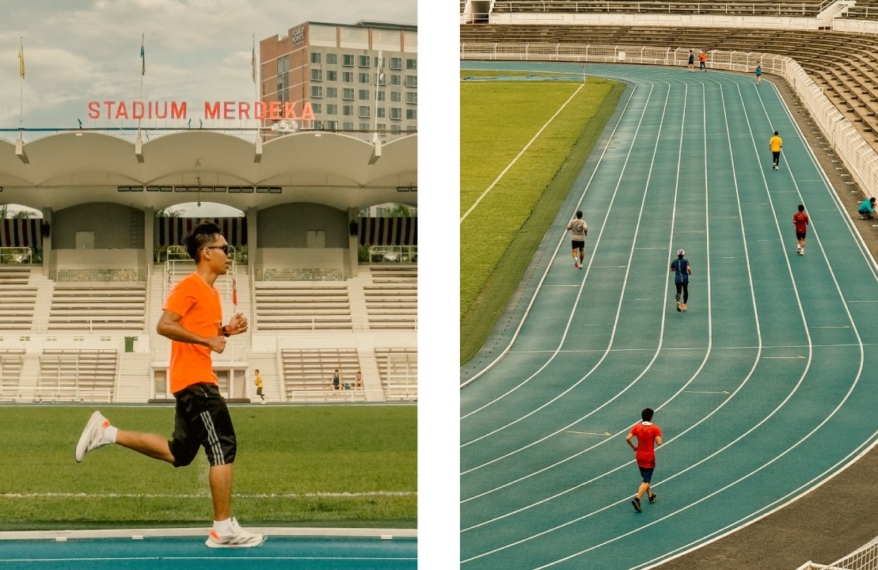
Recently reopened after having undergone renovations for almost 8 years, Stadium Merdeka has now been faithfully restored to its original looks during the declaration of Malaysia’s independence in 1957.

The sight of Stadium Merdeka, a beloved historical landmark now restored to its former glory, just a few hundred meters away from Merdeka 118, a neo-futuristic skyscraper, might seem odd at first glance, but is ultimately a visual reminder that the past and future can exist concurrently.

When we arrive at the stadium in the morning, the air is still damp with dew when a handful of joggers begin their laps. Nowadays, the stadium’s tracks are open almost daily during fixed hours for recreational activities, with the occasional sporting event or concert taking place. Outside of those hours, the surrounding park and hallways are always open.

As we start our morning exercises, we couldn’t help but notice that even the stadium’s original 1957 scoreboard was replaced, perfectly recapturing Stadium Merdeka in all its vintage glory.

(L): The stadium remains an unchanging fixture in the ever-evolving landscape of KL city.
(R): On 31 August 1957, the declaration of Malaysia’s independence was held at Stadium Merdeka—the biggest

Nutmeg Farm

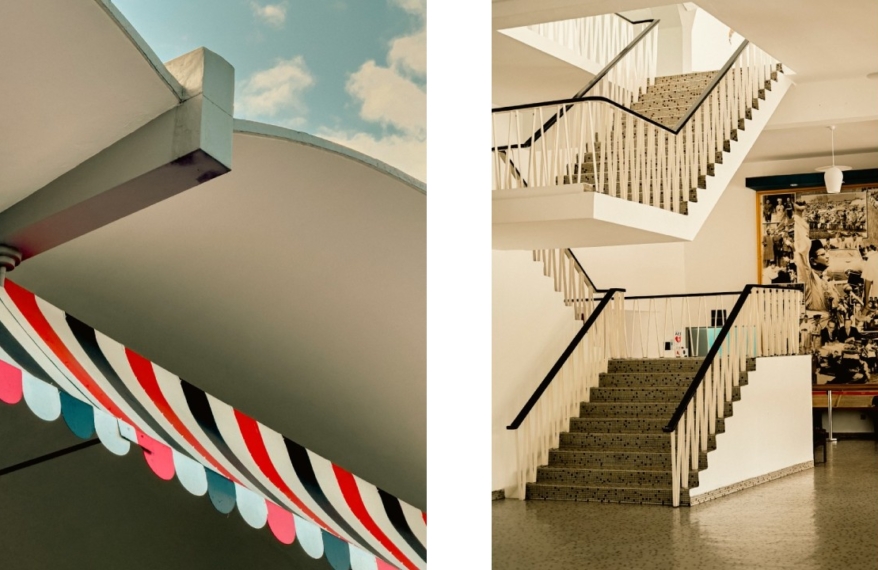
Since its restoration in 2007, the architectural features of Stadium Merdeka have remained consistent with buildings of the era, including the angular U-shaped staircase, cantilever shell roofs and even the original 1957 scoreboard.

Nutmeg Farm

(L): A jogger getting his steps in the morning before kicking off the day.
(R): A small group of joggers working up a sweat the first thing in the morning at Stadium Merdeka, which is only open for two to three-hour sessions a day, throughout the week.

14 The Zhongshan Building

13 → 14 »» 7 MIN
From Stadium Merdeka’s entrance, across the Maharajelela Monorail station, we walk past the KL & Selangor Chinese Assembly Hall, another gazetted heritage building from the 1930s. On the other side, we step onto Jalan Belfield, a quieter street lined with colonial-era structures and modern developments. The path gently leads to a flight of stairs, descending into the creative enclave of the Zhongshan Building, a hidden gem that captures KL’s evolving cultural heartbeat.

Though unassuming on the surface, The Zhongshan Building is a hidden creative hub within the city, simmering with artistic endeavours and perfect for those wanting to venture beyond the conventional.

Standing tall since the 1950s, The Zhongshan Building was once bustling with families running businesses down-stairs and returning home upstairs. Growing up as a child traipsing around these very hallways, Rob Tan, now its current owner, decided to turn it into a centre for cultural revival.

What we thought would be a short trip here turned into an hours-long excursion as we flitted from indie book-stores to old-school vinyl shops.

Amidst KL’s rapid evolution, it’s places like The Zhongshan Building that remind us of the possibility of transforming even the unlikeliest of buildings into a nostalgic yet still refreshing space.

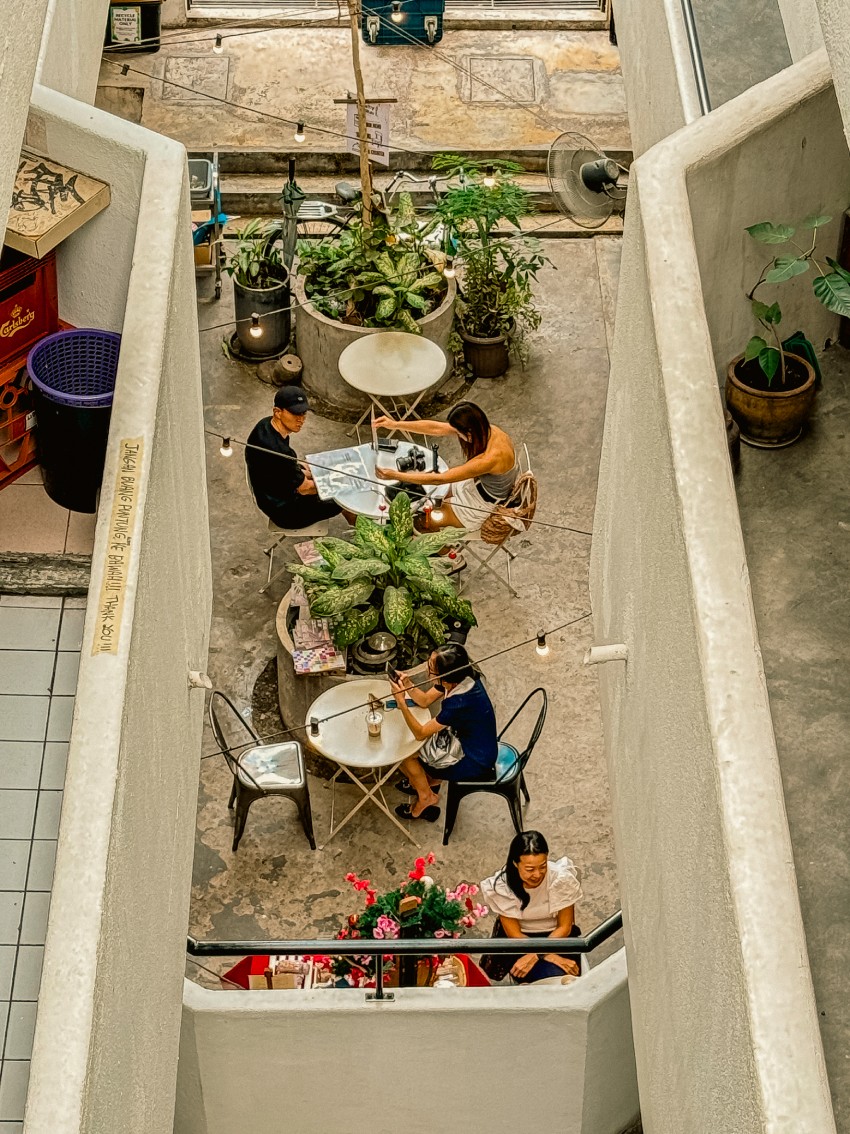
The Zhongshan Building was once a bustling hive of activity in the 1950s, housing residents and family-owned businesses alike. Now, it ̛s been transformed into a safe haven for artistic enterprises.

Nutmeg Farm

Diners enjoying the sunny day with artisanal pastries from the sourdough experts, Tommy Le Baker.

Nutmeg Farm

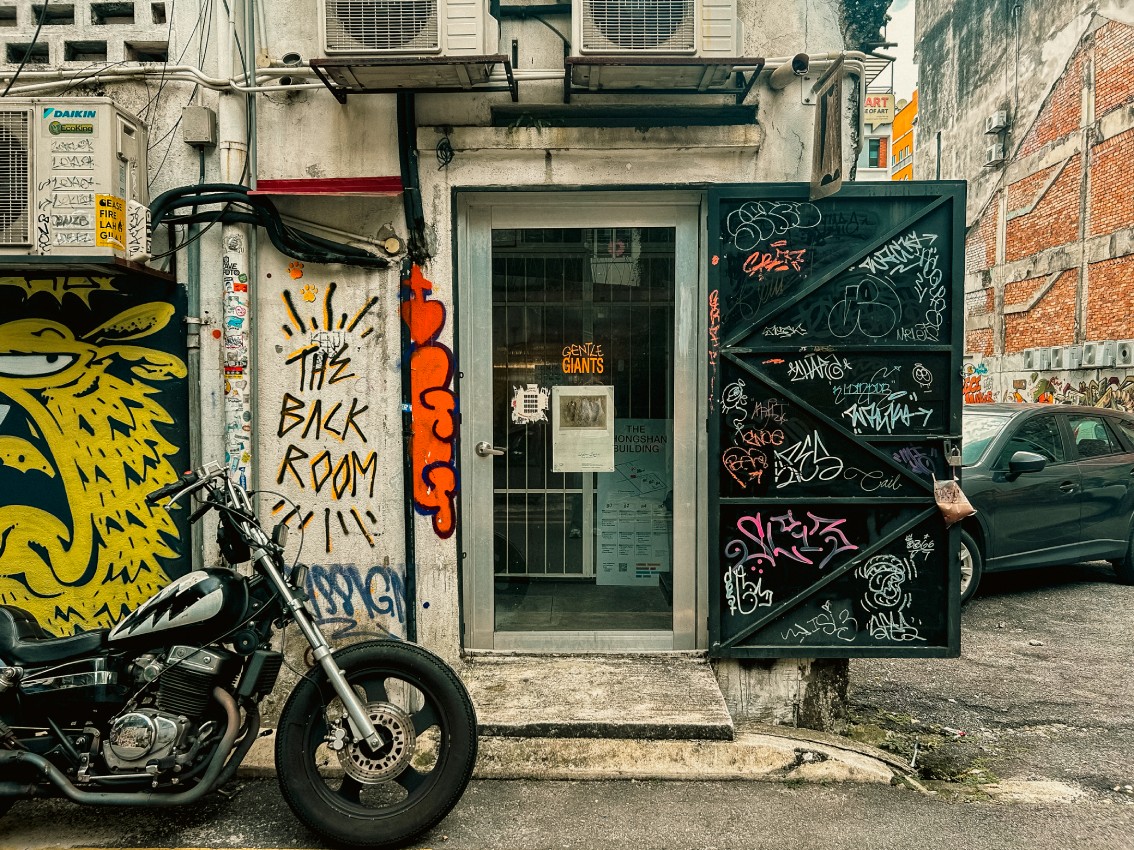
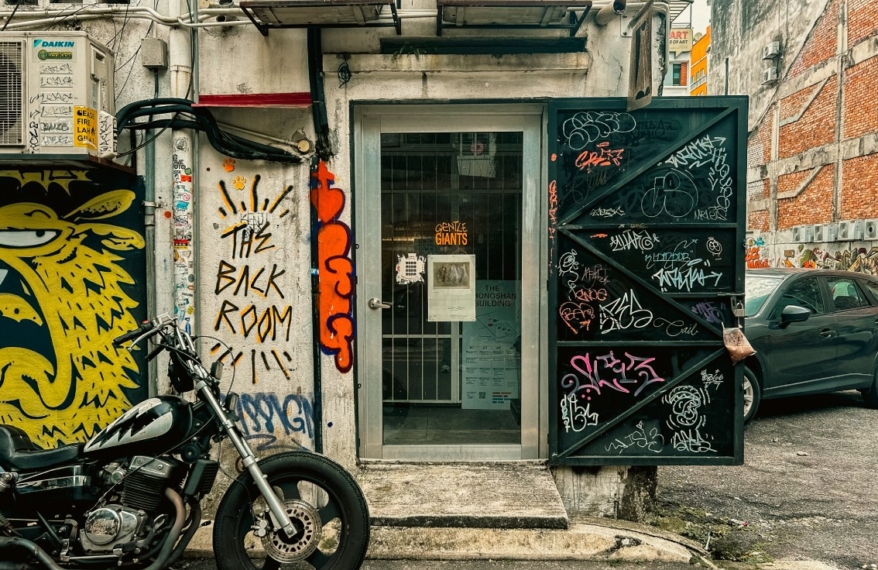
The Back Room is an intimate art gallery exhibiting pieces by emerging and experimental artists. Founded by Liza Ho, it is a space for discovery, transgressiveness and above all, community.

Nutmeg Farm

The Zhongshan Building is separated into four blocks, with each stairwell numbered for wayfinding.


Unagi, 40s
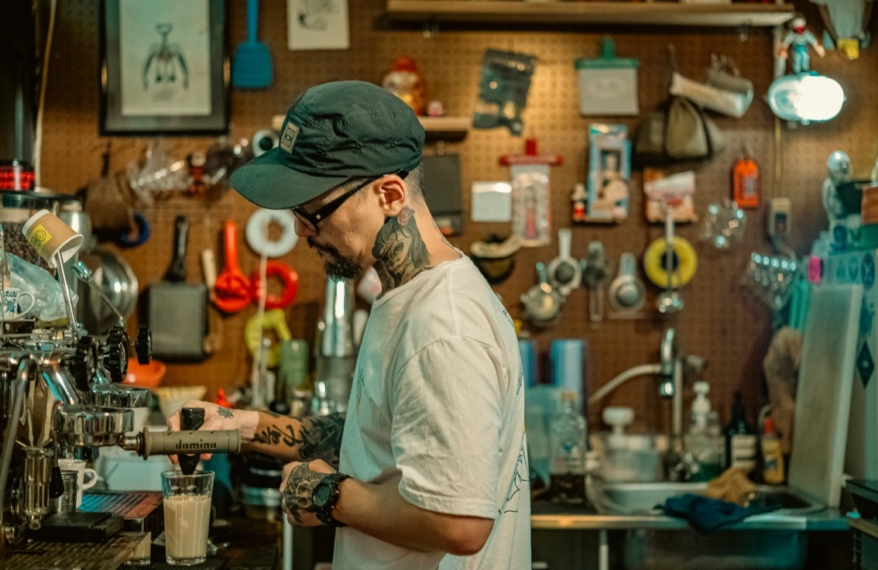
Owner, Piu Piu Piu

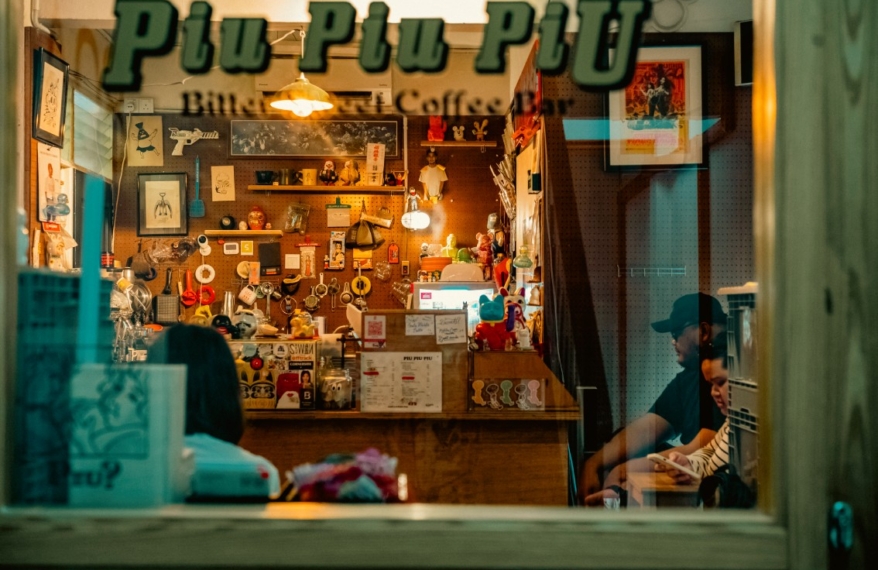
It’s a surreal experience to walk in from the tired, whitewashed stairwell and into Piu Piu Piu, where the warm lighting illuminates collections of trinkets scattered across shelves and walls plastered with humorous bits of artwork. Unagi, the owner, tells us that he’s collected everything here throughout his travels. Inspired by standing coffee shops in Japan, he carved out his own little corner of the world in this playful yet intimate cafe, inadvertently forming a tight-knit community in the process.

Nutmeg Farm

‘Piu Piu Piu’ were the playful sounds of Unagi's childhood, bringing him joy even now.

Nutmeg Farm

Brewed from Brazilian and occasionally Ethiopian beans, the cafe is well known amongst coffee connoisseurs.

Mapping Old KL’s Modern Revival: Part 1

In the heart of Kuala Lumpur, within just 3.5 kilometres of Concorde Hotel Kuala Lumpur, a fascinating tapestry of history meets modern creativity. Buildings that once defined the city’s past have been reborn, reimagined, and repurposed, creating spaces where heritage and innovation coexist.

Join us on Part 1 of a 2-part walking tour of the city from Concorde Hotel Kuala Lumpur, whose past lives are shoulder to shoulder with future developments.

02 Menara KL

01 → 02 »» 21 MIN
Stepping out of Concorde Hotel KL, the city stirs to life. We walk along Jalan P. Ramlee, where cafés and office towers cast long morning shadows. Turning onto Jalan Puncak, the air grows quieter, the street lined with leafy trees and old apartments. The final stretch is an uphill walk, a steady climb towards Menara KL. We catch sight of the tower, looming above the city as we make our way up. We’re not the only pedestrians arriving on foot—joggers often use the incline as part of their routines.

Erected in 1991, Menara KL stands at an impressive 421 metres against blindingly blue skies. This steely grey tower facilitates country-wide telecommunication while also serving as a unique lookout point.

Hailed as a symbol of progress in the 90s, Menara KL is now only one of the many skyscrapers dominating the skyline. Despite that, it’s still constantly upgrading to stay current. For instance, in January 2024, the new revolving restaurant ARAS was unveiled to be over 280 metres in the air, offering a luxury dining experience with a 360° view. Even annual events such as the Tower-thon, a vertical race up the tower, had recently included the addition of a ‘Cosplay’ category to attract younger participants.

“From here, can see Genting Highlands,” says Aemizureen Binti Kamarudin, Menara KL’s Chief Brand Development, pointing to a dark blue mountain range in the distance. Clinging onto the Sky Deck railings overlooking the cityscapes at 300 metres high, it’s difficult to imagine how much Kuala Lumpur has changed over the last twenty-eight years.

On a clear day like this, we were able to pick out the places we would be visiting in our urban walking tour.

Once the tallest structure in Malaysia, Menara KL is currently the seventh tallest tower internationally.

The breathtaking panoramic shots of the city were taken from the Sky Deck.

03 The Toffee

02 → 03 »» 24 MIN
Descending from Menara KL, we stroll down Jalan Raja Chulan, where the city’s modern skyline peeks through lush greenery. Passing the KL Forest Eco Park, the urban jungle blends seamlessly with nature’s calm. The shaded walkway leads us to Jalan Gereja, where heritage buildings contrast with high-rises. Turning left onto Jalan Hang Lekiu, the atmosphere shifts—old-world charm lingers in the historic shopfronts. Amid the bustle, The Toffee stands out with its warm signage.

Nestled in the same building that once housed Malaysia’s first insurance company, The Toffee is a contemporary space that celebrates art, design and architecture in their most expressive forms.

Named after the owner, Dr. Tan’s beloved childhood dog, Toffee is a wonderfully apt name for a whimsical third space amidst downtown KL. Once an insurance office in the 1950’s, the building is now a center for contemporary artistic expression.

Ur-Mu—short for Urban Museum— is one of the quirky places dwelling on levels 5 & 6 at The Toffee. Pakharuddin Sulaiman’s ‘TUBUH’ exhibition on level 6 scrutinises the national psyche of the 1990s to 2000s through the manipulation of the human body in at turns eerie and witty ways. Dr. Tan’s personal collection at level 5, on the other hand, immerses us in an artistic reawakening, as we’re guided through a colourful clash of contrasting themes, mediums and time periods.

Toffee also features event spaces spanning levels 3 & 4, and Boombong, a rooftop garden at level 7.

Rounding the corner from Jalan Gereja, we're greeted by the sight of Toffee’s signage.

Nutmeg Farm

Boombong, the rooftop garden, had transformed a once-derelict and crumbling space into an urban sanctuary and social hub. The sunset views here are nothing short of magnificent.

Nutmeg Farm

Ur-Mu's collections are comprised of a large variety of mediums, including sculptures, sandpaintings, historical photographs (with a twist), and even everyday objects artistically infused with deeper meaning.

Nutmeg Farm

Originally designed for better airflow, these walls now add an old-school charm to the rooftop.

Nutmeg Farm

Looking out from Boombong, we see buildings upon buildings, and just like a rainforest's multi-layered ecosystems, the city too is tiered, hiding away rare glimpses of otherworldly sights.

04 Sultan Abdul Samad Jamek Mosque

03 → 04 »» 5 MIN
Leaving Toffee’s lobby, we walk onto the sunny, motorcycle-lined streets of Jalan Hang Lekiu. Surrounded by shop lots, each building showcases architectural quirks from their respective eras, weaving a tapestry of the past to the present. Turning right onto Jalan Tun Perak, we merge into the oncoming crowds, fresh off the rumbling train tracks overhead. Closer to the Jamek Mosque station, the mosque’s vibrant sienna stands out amidst the city’s greys.

Sitting on the banks of the confluence between the Klang and Gombak Rivers, Sultan Abdul Samad Jamek Mosque is one of the city’s oldest mosques still welcoming daily worshippers.

Jamek Mosque was built on a site of historical importance—its land was once an ancient Malay cemetery, which was relocated for the mosque’s construction.

Walking through the gates on this day, however, the tone is anything but sombre. Staff members are corralling an excited school of students into tour groups, and despite the commotion, we’re welcomed with smiles and offered robes to cover our modesty.

Over the years, multiple expansions and fortification efforts have been done to maintain the mosque. While the newer structures have kept similar Moorish influences, there are benches scattered across the grounds where one can sit and contemplate the passage of time through the contrast between the well manicured gardens, weathered bricks and fresh coats of whitewash.

The mosque's Moorish style architecture stands out against the landscape of modern brutalist buildings.

Nutmeg Farm

Perched by the Klang and Gombak Riverbanks, Jamek Mosque paints a tranquil picture of sacred grounds —due, in part, to the clean-up efforts of the River of Life initiative.

05 Sin Sze Si Ya Temple

04 → 05 »» 8 MIN
Departing from Jamek Mosque, we turn right by the train station onto Jalan Benteng, into the fray of the bustling food stalls. Momentarily quietened by the tranquil garden along Medan Pasar, the hive of activity resumes on Jalan Hang Kasturi, where heritage buildings like the Central Market have been preserved and spruced up with new coats of paint. One more right turn takes us to the back entrance of Sin Sze Si Ya Temple.

Squeezed in between a high-rise and a row of shop lots is the narrow entrance of KL’s oldest Taoist temple, Sin Sze Si Ya Temple, still busy with daily worshippers.


The entrance of the temple is adorned with carvings of classic mythical tales.

The Sin Sze Si Ya Temple floors are covered in ash when we arrive. Looking past the smoky incense burners and enshrined deities, we catch sight of six portraits hanging in a shadowy corner.

One of the portraits is the unmis-takable figure of Kapitan Yap Ah Loy, who’d incepted the temple in the form of a small shrine behind his house. It was later relocated and reconstructed into a temple, surviving the Selangor Civil War, fires and floods in the city’s tumultuous early days.

Seeing the need to preserve the city’s slowly-forgotten past, the temple’s board of trustees president, Datuk Hew Wee Ting, spent years raising funds to build the Pioneers of Kuala Lumpur Museum, now open next door.


Amidst ancient whispers of incense, a visitor pays respect to the temple’s deities—bridging past, present, and unseen destinies.

06 Kedai Kopi Lai Foong

Across the street from the temple, we lunch at the famed Lai Foong Beef Noodle stall. Opened in 1956, the stall is now run by the third generation of the same family, where siblings William and Thomas still wake at 6AM daily to prepare the ingredients for 200 bowls.

07 REXKL

05/06 → 07 »» 5 MIN
Setting off from Sin Sze Si Ya Temple’s front entrance, we turn left at the intersection onto Jalan Tun Tan Cheng Lock. Framed by buildings from a bygone era, the gabled rooftops and arched windows stand proudly against the test of time. Side-stepping the tourists at Petaling Street, we turn onto Jalan Sultan, where REXKL’s storefront lies hidden behind stalls, trees and graffiti—yet, it’s still unmistakable with a constant ebb of visitors.

Once the best place to catch a movie, REXKL is now a safe haven for budding entrepreneurs, spotlighting delicious cui-sines, handsewn fashion, and unique niche shops, all in one place.

“I often say REXKL is a building without walls,” says Shin Chang. As crowds stroll casually through the building’s gaping side entrances, we know that he means that in more ways than one. After all, REXKL has had a whirlwind of these last couple of years—as recently as 2019, the building was in complete disrepair and a known hideout for drug addicts.

Built in 1947, REXKL was first known as REX Theatre, a 1,000-seater cinema that reached the height of its popularity in the 70s when it was outfitted with the latest audio-visual tech. However, two disastrous fires later, the building was abandoned.

When refurbishment works began in 2019, there were still burn marks on the walls and heaps of rotting waste strewn about. Structurally, the building was sound, but with an interior designed for a cinema, how could other businesses be retrofitted into the space?

Well, for Shin, the answer was simple: “I look at content, intention; it’s always filling in the blanks.” His perspective was that every building was designed to serve a purpose, and his job was not to stubbornly impose his vision onto it, but rather, to look around and ask: What’s missing? And at this moment in time, downtown KL was in desperate need of fresh ideas and passionate young people.

When we ask about his criteria for choosing tenants, Shin opines that there’s just one important question: “Will you be interested in doing something different?” Taking Raijin Ramen as an example, he shares that they were willing to operate in a cramped space without any traditional tables or chairs for their clients, instead going with a Japanese-style ramen bar opening into the roadside alleyway— and it worked. Deeply involved in the entire onboarding process, from the initial interviews to the shop renovation, Shin views REXKL as an incubator, both for entrepreneurial enterprises and also for ideas.

When asked if he was ever worried that this huge undertaking might fail, Shin’s reply is matter-of-fact, “Of course, but we try.”

Looking around at REXKL’s version of a food court, Back Ground Marketplace, bustling with locals and tourists choosing between authentic Sarawak Laksa from a jungle-themed restaurant or New York pizza from an American-inspired pizzeria, it’s easy to think that he and his co-founders’ efforts have paid off.

So, what’s next? There are plans to expand on the Back Ground Marketplace concept in a different part of KL, but they haven’t quite found the perfect spot for it yet. And in the meantime, REXKL is always looking for budding entrepreneurs.

“Come and do business here la!” laughs Shin, his eyes twinkling mirthfully.

Beyond an entrepreneurial platform, REXKL has been transformed into a social hub for the youth.
Nutmeg Farm
Shin Tseng, one of the seven founders of REXKL, is an architect by trade. Through his urban rejuvenation projects, he aims to elevate the city’s livability and preserve its legacy.
Nutmeg Farm
The neon REXKL signage overlooking the nighttime scenes of Petaling Street.
Nutmeg Farm
Since its construction in 1947, the REXKL building has been through multiple fires, prompting reconstruction works to salvage it. As it stands today, REXKL still retains its original design.
Nutmeg Farm
Street art breathes life into spaces, transforming walls into vibrant cultural expressions.
Nutmeg Farm
The construction of BookXcess' signature maze of bookshelves in REXKL was a collaborative effort befitting the BookXcess branding, while fully utilizing the sloping staircases of the REX Theatre structure.


Ahmad Rushdi, 41
Owner, Outsiders Bikes

As an avid cyclist himself, Ahmad knows the difficulties of finding a good bike shop in the car-centric city centre. I n fact, his store, Outsiders Bikes, is one of the only two bicycle specialist shops in town.

Found amidst the rowdy food stalls of Back Ground Marketplace, Outsiders Bikes is a physical manifestation of years of labour, grease and gritty determination. Being an avid cyclist himself, Ahmad first started out working in cycling event crews, before finally taking the plunge and opening his own store.

Besides routine maintenance, Ahmad mainly focuses on custom builds, often going out of his way to assemble the perfect bike for each customer. Sometimes, if orders require parts that can’t be found locally, he would have them specially imported to be fitted onto the bikes.


Bert Lee, 40s
Owner, Unnamed Store

Tucked away on the first floor of REXKL is a little shop filled to the brim with quaint oddities, exotic antiques and pre-loved knick-knacks. Curiously, the shop doesn’t have a name, and for Bert Lee, the founder, it’s a matter of philosophy—only fate can decide who steps into the shop and finds something that catches their eye.

The insides of the store are lined with floor-to-ceiling shelves, laden with all manner of trinkets, from multi-lingual second-hand books to vintage statuettes to rows of faded matchbox cars. Describing the place as a way to share bits of his life experiences with others, Lee curates every item that goes into the shop, hoping to kindle a sense of wonder for its shoppers. Likewise, he aspires to spark joy with his next venture at REXKL—a vintage records shop.


Continue reading Part 2 as we stroll through the streets of Kuala Lumpur for a glimpse into the city’s past through renewed cultural landmarks.


Keeping it Fresh: 5 Things Hotels Do to Maintain Top Service Standards

Stepping into the Concorde Hotel Kuala Lumpur lobby brings back a sense of nostalgia— perhaps it’s the rows of pillars reminiscent of 1950s architecture, or the low ceilings cultivating an old-school intimacy lost in modern trends. And yet, the floors show no signs of scuffing and the ceiling bears no marks of water damage. According to General Manager, Aarron Nelson, it’s all about keeping it fresh.

Set against the vibrant tapestry of the local hospitality scene, Concorde Hotel Kuala Lumpur is a living testament to their commitment to reinvention. Battling steely skyscrapers and mega hotels in the Golden Triangle, their dedicated team has continuously modernised the definition of business-class hospitality.

Their secret? It’s a hotel with a soul, confides Aarron Nelson, the General Manager. “Concorde has always been a ‘home away from home’ for me and our hotel guests,” he adds, emphasising that their promise to create genuine guest experiences has led all of their changes, as well as what they choose to preserve within their original 19-storey building.

As they approach their 34th anniversary, here’s how Concorde Hotel KL balances having one foot entrenched in the past, while still being two steps ahead of the game.


Aarron Nelson, General Manager, and Philip Ling, Interior Design and Facilities Manager, posing in front of the hotel’s deli-cum-lounge.

#1 MODERNISING INTERIORS WITHOUT COMPROMISING ON CHARACTER

Beyond visual aesthe-tics, Concorde Hotel KL’s interior design strives to craft a harmonious blend between fresh, contemporary perspectives with the historical charm of a 1950s building. Some of their signature features now were preserved from the bygone days of Hotel Merlin, the building’s earliest tenant.


Preserved from their Hotel Merlin days, the dragon pillars are stylishly complemented with modern decor.


Eagle-eyed guests might spot the initials ‘H. M.’ carved into the walls surrounding the pool.

Inspired by their wide travels and modern trends, the team’s open-minded approach to design is reflective of the hotel’s versatility. For example, in the most recent redesign of the Premier Classic rooms, the antiquated matte and neutral hues were swapped out in favour of crisp pops of colour, instantly breathing new life into the living spaces. The newly installed hallway strip lights also bring a tasteful modern touch to an often overlooked part of the hotel.

#2 HONOURING TRADITION THROUGH CULINARY INNOVATIONS

Food is often hailed as a cornerstone of hospitality, and at Concorde Hotel KL, this is no exception.

As one of the authentic Cantonese hotel restaurant serving pork dishes, Xin Cuisine prides itself on its ability to revive age-old cooking methods while catering to new-age palettes.


Xin Cuisine’s traditional dim sum push carts have become their signature, while they’re slowly forgotten everywhere else.

Renowned for their freshly handmade dim sum served in Hong Kong style push carts, Xin Cuisine also offers a newly curated ala carte menu infused with the nostalgic flavours of the home. Beyond that, the restaurant also prepares rare traditional specialties, including their mouthwatering Peking duck and the peppery soup of whole village chicken stuffed in a pig stomach.

#3 BREAKING NEW GROUND IN SUSTAINABILITY

Believing that sustainability extends beyond just environ-mental issues, Concorde Hotel KL embodies the future-forward ESG (Environment, Social, Governance) values in every operational aspect.

One of the biggest sources of waste in the local hospitality scene is food wastage. Acclaimed as a pioneer in addressing this pressing issue, Concorde Hotel KL converts nearly 100% of their daily solid food waste into nutrient-rich compost with their cutting-edge composter. It is estimated that they’re able to prevent up to 3.6 tonnes of waste from reaching a landfill annually.

#4 BEING IN TUNE TO GUESTS’ NEEDS

Guest comfort and experience are prized above all else at Concorde Hotel KL, with all feedback playing an active role in future renovations and remodelings.

A prime example is the recent refurbishment of over 60 Premier Classic rooms. In addition to the usual refreshing of the plush carpets and luxurious bedding, the redesign also included a cosy dressing table nook for the guests’ utmost convenience. Other practical changes that were implemented were the replacement of oversized tables with more compact versions, as well as additional light fixtures to brighten up the rooms.


One of the recently refurbished Premier Executive rooms, with new carpets, drapes and bedding.

#5 ELEVATING GUEST COMFORT WITH ROUND-THE-CLOCK CARE

At Concorde Kuala Lumpur, comfort isn’t just a promise —it’s a continuous commitment. Upgrading works and upkeep efforts are meticulously planned all throughout the year, informed by comprehensive checks and close monitoring of the building and rooms.

From enhanced lighting down to minute details such as thoughtfully positioned charging ports and faster Wi-Fi connections, the team’s attention to detail ensures that every stay feels just as fresh as the first. Some of their future upgrades include adding new Premier benefits as well as improving all room amenities.

As the Concorde Hotel KL building nears its 68th anniversary, its lasting success can be attributed to the team’s impeccable ability to evolve while staying true to its roots.

“Our regulars are thrilled with new changes each time they return to the hotel,” remarks Aarron proudly, vowing to continue striving for service excellence and to set the precedent for quality in hospitality.

From the Vault: Exclusive Tour of the Michael Jackson Suite

Opening the doors to the Michael Jackson room is akin to breaking open a time capsule.

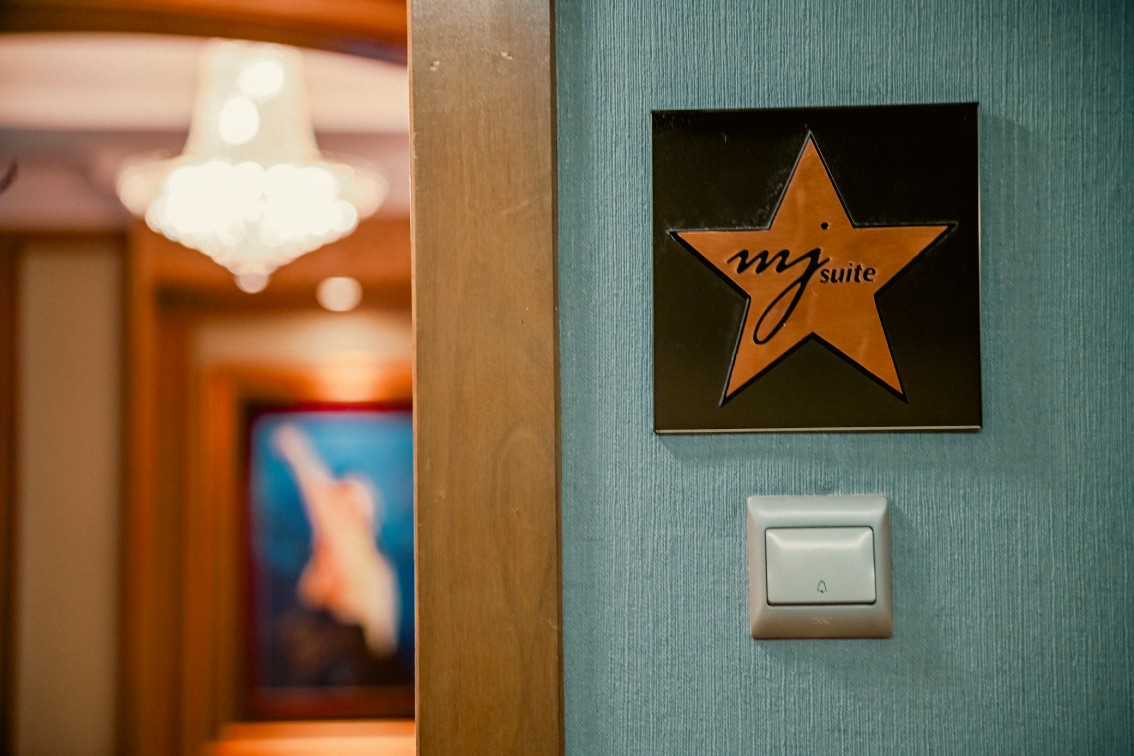
Usually closed off to visitors and guests alike, we were among the lucky few who were able to catch a glimpse of Concorde Hotel Kuala Lumpur’s Room 1818, where the King of Pop had resided during his 1996 HIStory World Tour.

As the double doors swung open, we were greeted by high ceilings, plush carpeting and deep oaken furniture, all of which have been preserved since his stay. Spanning across 3,000 square feet, the lavish suite was designed by Bent Severin, a popular Danish architect at the time. A framed portrait of the King of Pop in the middle of an impassioned performance hung facing the entrance, signed in gold with the proclamation, ‘Saya cinta Malaysia!’.


Looking into the MJ suite from the outside, we’re greeted with a beautifully painted portrait of Michael Jackson, autographed by the King of Pop himself.

That was only one of the many, many autographed items that Michael Jackson gave away during his time here. Badrul Hisham, the current Director of Safety & Security in Concorde Hotel KL and then-assigned butler to the superstar, proudly showed us an autographed photo addressed to him with the message ‘Badrul, love knowing you’.


Badrul Hisham, Director of Safety & Security in Concorde Hotel KL, poses for a picture after our interview.

There were many sides to the superstar, Badrul recalled. From the moment he was introduced to the staff, Michael was a polite, soft-spoken man who made time for his fans and visitors. However, as soon as he started wardrobe and make-up preparations for his shows, Michael morphed into the legendary performer whose infectiously energetic songs have caused waves of mania worldwide.


Always generous with his time, the superstar posed for countless photos during his time here.

Malaysian fans were no different. For the King of Pop’s first-ever stop in Malaysia, adoring fans trailed his every move, crowding the airport, outside his hotel, and even when he stopped at One Utama, one of the largest shopping malls in the country at the time, to purchase some toys. The security gates had to be locked shut while he shopped for gifts to be presented to the orphans and underprivileged children for a meet-and-greet session the next day.


Some of the notes that Michael Jackson had left behind contained song lyrics and also doodles of himself.

Since his departure, the MJ suite has been preserved to commemorate his stay at Concorde Hotel KL, with the only additions being framed wall hangings of his records, signed memorabilia, as well as some drawings and clothes that he had left behind. As the doors to the Michael Jackson room closed behind us, it was clear that even though his stay in Malaysia was brief, the memories and music he’d created would continue to inspire generations to come.

Art of Traveling Light

Pack It Up! Maximise your luggage space and master the art of travelling light with these smart packing tips.

1) Weather check
Look up the weather forecast for your destination a few days before departure, and take note of any special events or occasions. Pack only what you’ll need and skip the “just in case” extras.

2) Do your homework
Reach out to your hotel to check what in-room amenities are available—such as towels, hair dryers, shampoo, and toothbrushes—so you can leave non-essentials at home.

3) Downsize toiletries
Pick up travel-size versions of your favorite products. If you can’t find them on travel packs, get small plastic bottles and decant from larger ones.

4) Leak-Proof Your Liquids
Prevent spills by storing toiletries in ziplock bags. For added protection, squeeze out excess air from bottles to avoid pressure-related leaks mid-flight.

5) Pre-Pack by Outfit
Organise clothes by day or activity and pack each set in clear plastic bags. This saves time and space—no more digging through your luggage to find a single item.

6) Bring a Reusable Tote
Tote bags come in handy for carrying loose items like magazines, neck pillows or umbrellas—and double as eco-friendly shopping bags during your trip.

7) Roll-it up
Rolling clothes helps save space and reduces wrinkles. It’s a tried-and-true trick that seasoned travellers swear by.

8)  Wear Your Bulkiest Items
Save suitcase space by wearing heavier items—like jackets or sneakers—while you travel.

9) Protect the Rest from Your Shoes
If you want to make sure everything else in your bag stays clean and odor free, place the shoes inside old socks and then inside airtight plastic bags.

10) Make a list and check it TWICE
Write down everything you need before you pack. It’s the simplest way to stay organised and avoid forgetting essentials.

11) Keeping the details safe
Store soft copies of important documents—like your passport and itinerary—in your email or cloud storage. It’s a lifesaver in case of loss or theft.

Melaka Eats: The Local Fare

Everyone travels to Melaka for one of many purposes – to eat, and eat, and eat.

Besides the famed Peranakan cuisine that everyone visits Melaka for, there is so much more to Melaka fare. Located centrally within walking distance to Jonker Street, yet hidden away from the crowd, we share some of our favourite local fare that will leave you longing for more.

Sun May Hiong Pork Satay

For those who have great passion for pork liver and pork intestine (and other spare parts of the pig) served on a skewer, this is the stall you can’t miss. The specialty of this stall is the dipping of peanut sauce mixed with pineapple, an interesting taste of sour and spicy. It is definitely uniquely found in Melaka!

50/52 Jalan Kota Laksamana 1/1,
Taman Kota Laksamana, 75200 Melaka
Tel: +606 281 7281
10am to 6pm
Website


Pak Putra Tandoori & Naan Restaurant

Famous for their naans and tandoori chicken, the place was packed both inside the restaurant and alfresco areas. We ordered the well-known dishes and found out from a fellow diner that the potato pratha was “to die for”. Indeed, the thick pancake had crispy outer layers and a soft savoury potato mash infused with herbs, it was our idea of the perfect comfort food.

56 & 58, Jalan 4
Taman Kota Laksamana
75200 Melaka
5.30pm to 1am (Tues to Sun)
Closed on Mondays.


Pin Pin Hiong

An old-school coffee shop tucked at the corner of Jalan Tukang Besi and Lor Hang Jebat, it is just a short walk from the main Jonker Street. A little known gem that is unknown to many tourists, the shop’s specialty is their mee sua (longevity noodles) served with minced pork, pork innards, oysters and vegetables. This noodle broth brings comfort to the belly with its flavourful soup and generous serving of ingredients. For those who are not keen on innards, you can order other items from the menu that are equally delicious. Try their oyster omelette, stir-fried bitter gourd or mixed vegetables.

786, Lorong Hang Jebat,  75200 Melaka
7.30am to 1pm
Closed on Sundays.

Picture credits: sethlui.com

Tong Bee’s Cockles (Siham) Stall

Enjoying the cockles in a back alley off Jalan Bunga Raya is an experience you won’t forget. There are a few choices of shellfish available at this stall including siham (cockles), lala (which is actually kepah) and luo (sea snails). The most popular dish here, according to the stall owner is Cuttlefish with Kangkung served with a choice of boiled or grilled cuttlefish.

143, Jalan Bunga Raya
Kampung Jawa, 75100 Melaka
5.30pm to 11pm
Closed on Wednesdays.


From N9 with Love

Concorde Hotel Shah Alam’s Chef Alham delves into his love affair with Negeri Sembilan and shares why food from his hometown will always have a special place in his heart.

People say that the kitchen is the heart of the home. For me, that heart was always filled with the love of my mother and grandmother. Food was their love language. I used to come home from school to be greeted by the scent of fermented durian or fried chilli padi wafting around the corners of my mother’s kampung home in Negeri Sembilan. I say it’s her house because here, the family home goes to daughters, not sons—a tradition our ancestors brought with them from Minangkabau in Sumatra.


The heart of a kampung home – the kitchen.


A living room filled with memorabilia.

At mealtimes, me and my 15 siblings would tuck into the woody, earthy flavours of the catfish she had painstakingly smoked or chew on the glutinous rice my grandmother had stirred in brown sugar and coconut milk for hours. Even when they cooked simple meals, just fried eggs with ketchup, you could taste their unconditional love. That’s why everyone says their mum’s food is the best.

But food didn’t always have this much meaning to me. Growing up, I loved my mother’s cooking, but it was something I thought about only when I got hungry. I was far more occupied playing marbles in the dirt underneath the kampung house next to the chickens we reared in bamboo cages, or eating mangoes with my friends behind the crowd of bamboo trees that shielded us from the world.


The backyard of a kampung home with fruit trees and a well.

When it was time to come home, I would know it. All the neighbours would know it too. “Alham!” my mother’s call would echo through the kampung. And I would come running. I never wanted her to worry.

Near my house was a river where we would swim or catch fish. Sometimes, we would hike up to the waterfall in Bukit Tinggi—the hill that has always kept vigil over my kampung. But my favourite past time was flying kites. I would fly them near the house so that my mother could keep an eye on me. My brother taught me how to make my own kite out of bamboo and paper. When the weather was good, I would run with it tailing behind until a gust of wind caught it and tugged it into the sky. I would watch it soar ever higher without a care in the world, as the hill watched from a distance.


Chef Alham pointing out the familiar scenery from his childhood.

There was a padi field near my grandmother’s house. When the stalks grew taller and turned an emerald green, the farmer would pay me 10 or 20 cents to pull the string attached to the scarecrow to chase the birds away. It was a lot of money for a young boy in those days. Once the padi was harvested, we would wade into the shallow waters to catch fish with our bare hands. I would bring the day’s catch home for my mother to cook.

Life was simple and carefree. But as I grew older, I became restless. The kampung with its green fields enveloped by the hill was losing its shine. Once I finished school, I took off. My friend told me of an opening in a hotel restaurant in Penang and I grabbed it. I had no idea what awaited me, but I didn’t care. I wanted to see the world.

The kampung road leading away from home.

For the next four years, I stayed in Penang training to be a chef. Then I moved to France. Then to Thailand. Then Singapore. Before I knew it, 10 years had passed and I hadn’t been home. Not once. I was a professional chef skilled in Malay, Japanese and western cooking. I could carve fruit and ice sculptures. I had seen the world well beyond what my childhood kampung self had dreamed of. But I felt a strange tug in my heart. I had learnt to cook the world’s cuisine except my own. And now, I longed for that familiar taste of home, of love.

It was food that brought me around the world. But it was also food that brought me back home. Returning to my hometown, my 10 years away felt like a lifetime. Development had changed the place. Stretches of padi fields had surrendered to concrete and steel. The once-clear river was now murky brown, like tea. Only two things stayed the same —the hill with its familiar outline carved into the sky and my mother’s food.


The small bamboo grove next to the once-clear river.

I lost no time in becoming her apprentice in the art of Negeri Sembilan cooking. As a boy, I wasn’t expected to help her in the kitchen. That task fell on my sisters. So, at almost 30 years old, I was learning from scratch how to coax fragrant aromas from coconut milk, chilli padi and turmeric; smoke meat to infuse it with the region’s signature flavours; and stir coconut oil into a hot pan—our secret to a tasty gravy.

We don’t use onions. That’s why our food doesn’t go bad so easily. In the past, people in Negeri Sembilan were not well off, so food was very precious. Anything that didn’t get eaten was kept and served at the next meal or the next day. Or the day after.

Our food is also quite spicy. Maybe it’s because of our Minangkabau heritage. Maybe we’ve just always liked it that way.

In its own way, food connects us to the people who have gone before us. Every ingredient has meaning. Every dish carries the weight of our people’s culture and heritage, with each flavour and texture weaving a story that dates back generations.

That’s why I respect traditional recipes. After all these years, the Negeri Sembilan dishes I prepare are still made with my mother’s recipes, using the techniques she taught me. Every time I taste them, I remember her and my grandmother. In sharing these dishes with others, I am inviting them into our story to savour the love of a home-made kampung meal.

Sidetrack Route 50: From Batu Pahat to Kluang

Tucked away amidst the quiet roads and unassuming neighbourhoods of Batu Pahat and Kluang lie a spread of coffee shops, restaurants and dessert stalls well-loved by locals for generations.

Kwang Ah Restaurant (Jeng Kuan)

Famed for its mee hailam and chicken chop, Kwang Ah Restaurant continues to delight customers with their brand of simple Chinese fare, using recipes that have remained unchanged for over 100 years.

95-4. Jalan Shahbandar, 83000,
Batu Pahat, Johor, Malaysia
Opening Hours: 12nn — 9pm (Closed on Fridays)
Tel: +60 14-337 5833
Muslim friendly

Min Jiang Kueh Stall
(Da Bei Shui Coffee Shop)

With a simple signboard announcing its only item on the menu, the min jiang kueh stall within Da Bei Shui Coffee Shop specialises in a popular sweet peanut pancake that sells out within hours.

2, Jalan Penjaja 3, Kampung Pegawai,
83000 Batu Pahat, Johor, Malaysia
Opening hours: 12:30pm until sold out
Tel: +60 16-791 0503

Aa… Asam Pedas Teluk Wawasan

Deep within the kampung lies Aa…Assam Pedas Teluk Wawasan— a nondescript restaurant near the sea famed for its assam pedas that is made with fresh fish and cooked to order for a hot, satisfying meal.

RVG9+PM, Bagan Laut,
83000 Batu Pahat, Johor, Malaysia
Opening Hours: 9am — 10pm
Muslim friendly

Tanglak Beef Noodle

With a flavourful, clear broth and tender chucks of beef, the Kluang branch of Tangkak Beef Noodles draws locals and tourists alike. Try adding beef tendons and offal for more flavour and texture.

No 5, Jalan Langsat, Kampung Masjid Lama,
86000 Kluang, Johor, Malaysia
Opening Hours: 8am — 5:30pm
Tel: +60 13-783 8871

Kedai Kopi PKH

Experience a traditional kopitiam, as you sample the wide selection of local favourites on offer at Kedai Kopi PKH, from kaya toast and half-boiled eggs to beef noodles, fishball noodles and many more.

15, 17 Jalan Mersing, Kampung Masjid Lama
86000 Kluang, Johor, Malaysia
Opening Hours: 6am — 2pm (Closed Tuesdays)
Tel: +60 16-752 2937

Kluang Cendol Kader

Every day, an endless stream of customers at Kluang Cendol Kader dig into icy bowls of old-school cendol, comprising classic ingredients of fresh coconut milk, red beans, pandan jelly, palm sugar and shaved ice.

1950, Jalan Dato Kaptian Ahmad, G
Kampung Masjid Lama, 86000 Kluang,
Johor, Malaysia
Opening Hours: 10:30am — 6pm
Tel: +60 12-751 1999

Kluang Rail Coffee

Steeped in nostalgia, the original Kluang Rail Coffee is famed for its aromatic brews and traditional breakfast of half-boiled eggs and
kaya toast, which are part of a menu filled with popular local dishes.

Jalan Stesen, Kluang,
86000 Kluang, Johor, Malaysia
Opening Hours: 7am — 6pm
(Closed on Fridays 12nn — 2:30pm)
Tel: +60 13-783 8871
Muslim friendly

This Route Goes East

As Mohd Noor drives down Route 50 to his new position at The Boathouse Pulau Tioman, he reflects on the people and places along the way that continue to impact his life.

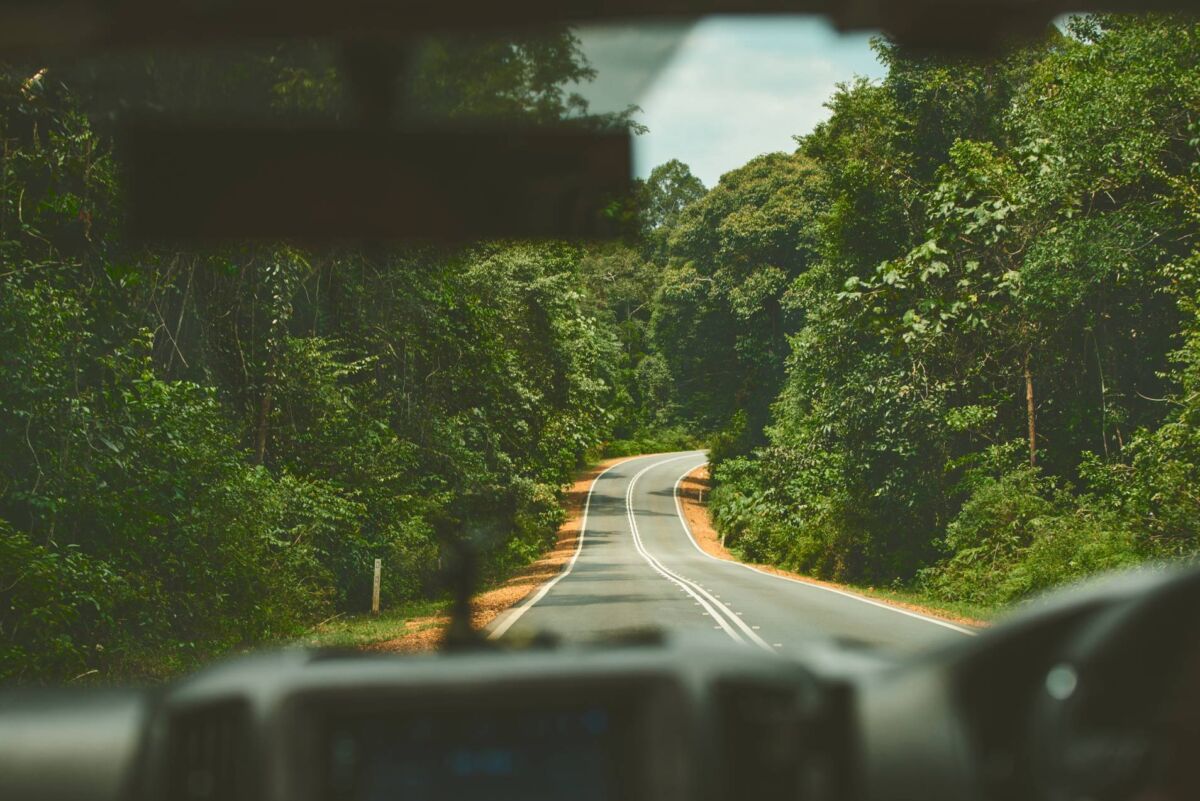
Route 50 begins in Batu Pahat. It cuts right across the peninsula and ends in the small town of Jemaluang in the Mersing district. What’s so special
about it, you ask? Well, for people living along the west coast of Malaysia, it’s one of the easiest ways to get to the town of Mersing and its surrounding islands. At the start of Route 50 is Masjid Jamek Sultan Ismail the largest mosque in Batu Pahat. Every time I see the familiar blue and white dome flanked on either side by matching minarets, I know I’m home.


Driving down Route 50


Masjid Jamek Sultan Ismail – Batu Pahat’s largest mosque

You see, I’m from Batu Pahat, born and bred. But my work in hospitality has taken me all around Malaysia. Now, Route 50 will lead me from home to Mersing and to my new role as Rooms Division Manager at The Boathouse Pulau Tioman.


Modh Noor at his new job at The Boathouse Pulau Tioman

BATU PAHAT: MY JOURNEY BEGINS

I left my hometown almost 30 years ago to study and then work. Wherever I was, I would come back every two months to see my mum.

Noor, bila nak kahwin? Dah ada calon ke?” she would ask. I’m the youngest of nine and the only one not married, so naturally she was anxious.

“Career first, mak. Cannot support a wife with no money, right?” I would say. She would agree and that would be the end of it…until my next visit.

If you ask me, Batu Pahat still looks pretty much the same. It is the second largest urban area in Johor with many Chinese as well as Malays and Indians living here. It’s a harmonious town, always was and still is. You can see a mosque, a church and Chinese and Indian temples close to each other. Together with Kluang, we make up the over 700,000 people of central Johor.

Bila nak kahwin? Dah ada calon ke? — When are you getting married? Do you have anyone in mind?
Mak — Mother

One landmark is the Batu Pahat Bridge, where you can enjoy a nice view of the town across the river with the mountains in the background. In the past, the town folk would cross the river in a small sampan . Speaking of sampans, my friend’s father had one. Once, we took it without asking him and rowed through the mangroves to Pulau Pisang. It was a deserted island with lots of banana trees. Thinking back, it could have been quite dangerous, but thankfully we were okay. Whenever I see the bridge, I will remember that experience.

My father was a fisherman. He would wake up at 3am and cycle to work. Hearing the motorboat in those hours meant that he was on his way out to sea. It could be two weeks before he returned. Till today, the sound of a motorboat reminds me of him. He shared his boat with other fishermen, so I’d like to think that it is still plying the waterways somewhere as he once did.

If you follow Route 50 just a little way down from the mosque, you will see the Tan Swee Hoe Mansion. You can’t miss it. It’s a huge mansion that’s now in ruins. I was a teenager when I first snuck in to take photos. It transports you to a different era. The Johor China Press reported that the Sultan of Johor, and our current Agong , now owns it. So maybe it will get a new lease of life soon.


Ruins of the Tan Swee Hoe Mansion

Batu Pahat gave me a lot of firsts—my first movie experience at the now-defunct Odean Cinema, my first taste of working life at one of the embroidery factories, my first hotel job…oh, and my first taste of KFC. That was Batu Pahat’s first fast-food restaurant. My sister gave me a treat because I got good results. For us, it was expensive, so she bought me one drumstick. Just one. I ate it very slowly. It was so precious.


Batu Pahat’s first international fast-food restaurant, KFC

Sampan — A wooden boat propelled by oars
Agong — King of Malaysia

KLUANG: EASTWARD BOUND

When I was 16, my sister got married and moved to Kluang. Route 50 was how I got to see her. I would hop on a bus to visit her by myself during the school holidays.

Nowadays, it’s quite developed. But back then, after leaving Batu Pahat, Route 50 had nothing but trees and a few old houses until I reached Parit Raja. I would go to the local market there to buy kerepek . Banana chips were and still are my favourite. Just thinking about them makes my mouth water.


Banana chips sold at a market stall

Once the bus entered Ayer Hitam, I knew I would be at my sister’s house soon. I would see the porcelain shops where my sister would buy locally made ceramic wares for her home.


Ceramic wares made locally at a nearby factory

The very next stop would be Kluang. This was where I first saw a train rumbling through the road right in front of me. It was a goods train and a very loud one at that. Kluang is a peaceful town. A little laidback but crowded on weekends and festive occasions. I still remember eating satay with my sister at the weekly night market at Padang Tembak. It was the thing to do then.

The old ticket booth at Kluang Railway Station


One of the many vibrant murals of Kluang Street Art

Kerepek — Local chips made from various fruits and vegetables

KAHANG AND BEYOND: MY JOURNEY GOES ON

In the past, my journey down Route 50 would stop at Kluang. However, in the last six months, my old friend has seen me off on a new chapter in my life, as I made my way further down its narrow lanes towards Mersing and The Boathouse Pulau Tioman.

Along this stretch, I’m treated to the calming sights of green palm oil plantations and lush forests. If I’m not in a rush, I like to take my foot off the accelerator, wind-down the windows and breathe in the fresh air.


A traditional coffee shop in Kahang

Around Kahang, it’s possible to spot wildlife as it is within the home range of tapirs and wild elephants. In fact, the town is the last stop before you enter the Endau Rompin National Park. I heard that back in the day, people here would eat wildlife, like wild boar or even tigers. Now, of course, it’s no longer allowed. I’ve never tried it, so don’t ask me what the meat taste like.


Signposts warning of tapirs and elephants, signaling the variety of wildlife that inhabit the area.

The plantations here are surrounded by electric fences and the road is dotted with signs warning motorists of elephants and tapirs. So far, I haven’t seen any. But who knows? As this part of Route 50 gets added to my regular commute, maybe I will soon.

If I do, you’ll be the first to know.