Kuala Lumpur – Doubling The Deliciousness

All in the family…

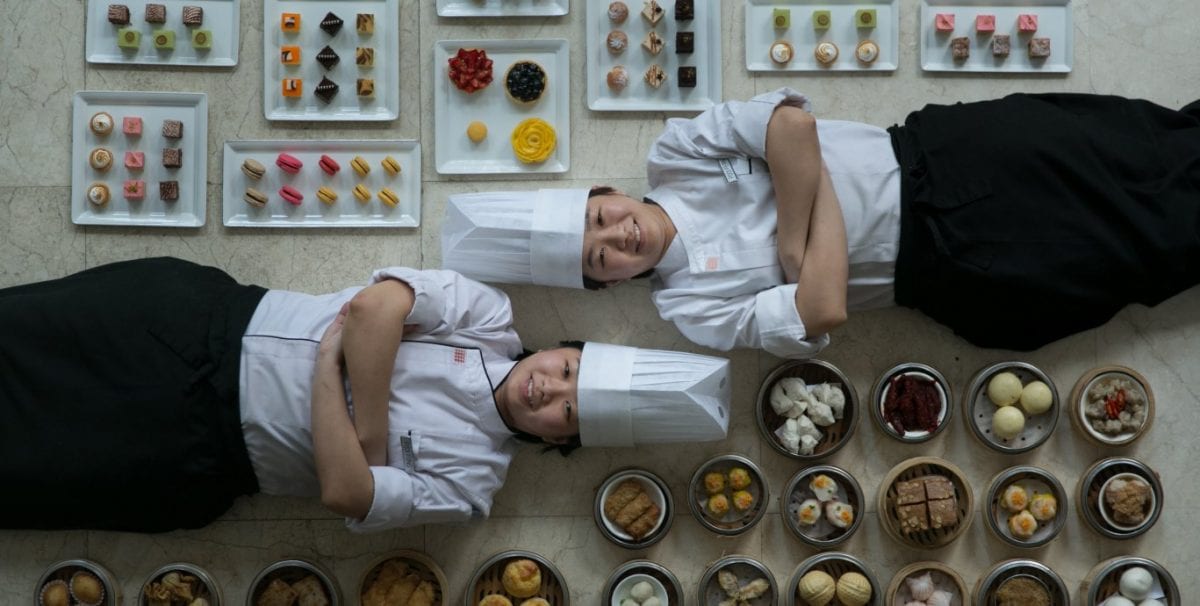
For two siblings to become chefs is a pretty rare occurrence. But for both to work in the same hotel is almost unheard of. Meet identical twin sisters, Pooi Fern and Pooi Fong, who grew up together, learned how to cook side by side and are now cooking their way through the pastry and Chinese kitchens at Concorde Hotel Kuala Lumpur.

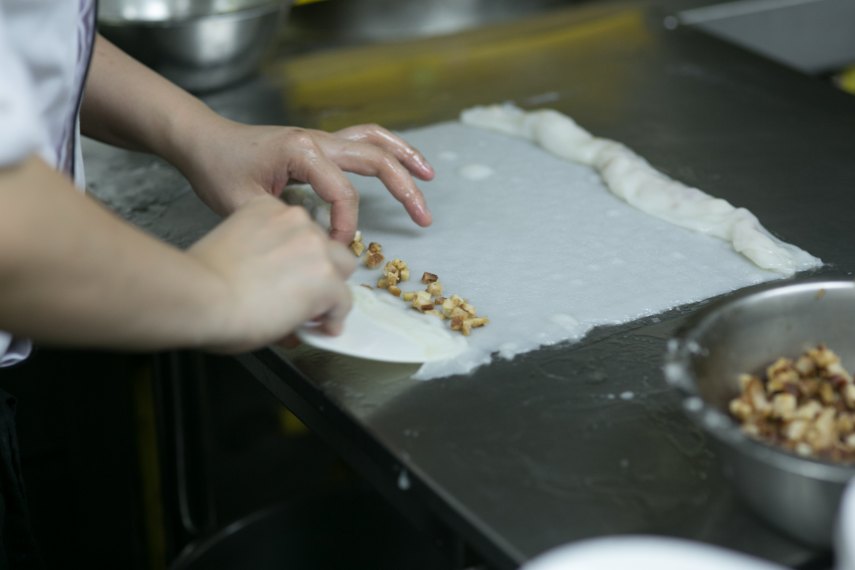
This hardworking pair started out as interns and worked their way to be Chef De Partie and Assistant Chef in their respective kitchens. Pooi Fern has a passion for baking while Pooi Fong loves the intricacies of making dim sum.

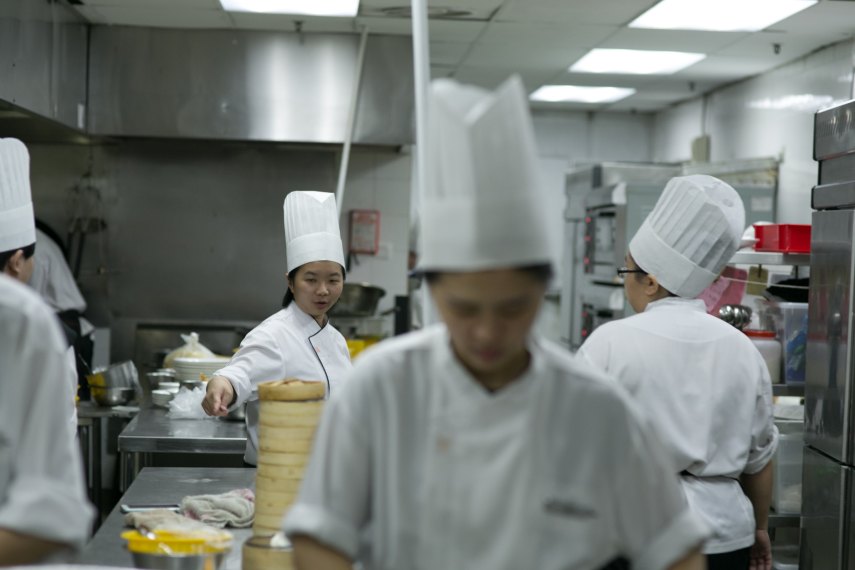
They both start and end the day together, and if one has a pocket of free time, she will help the other out in any way she can. In the high pressure working environment they both work in where the work is fast paced, intense and demands perfection all the time, it’s comforting to have someone who is always there to help. Most importantly, everyone who works at the Concorde Hotel consider each other as family, as a large number of the staff have been working there for decades.

Let’s look at a typical day for twin sisters.

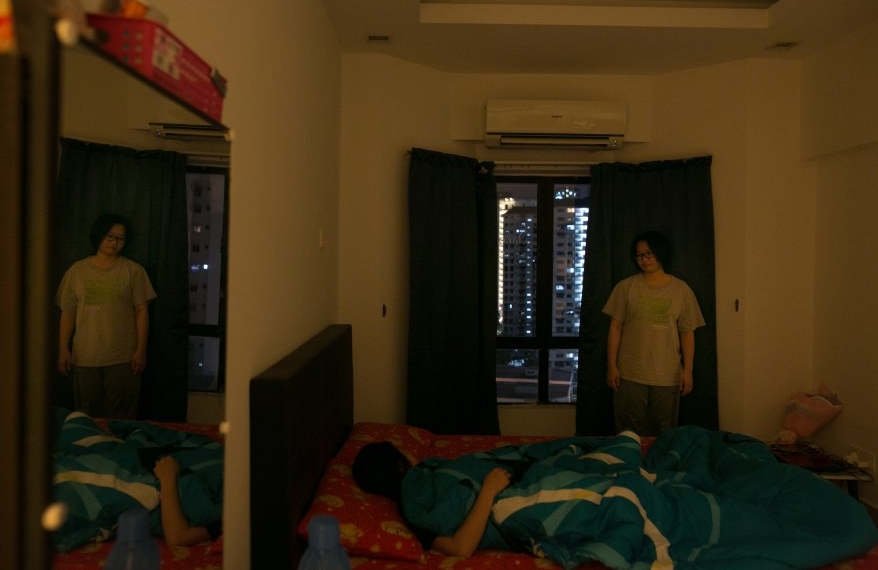
0400hrs- The day begins before sunrise for the sisters, as they wake up to prepare for work.
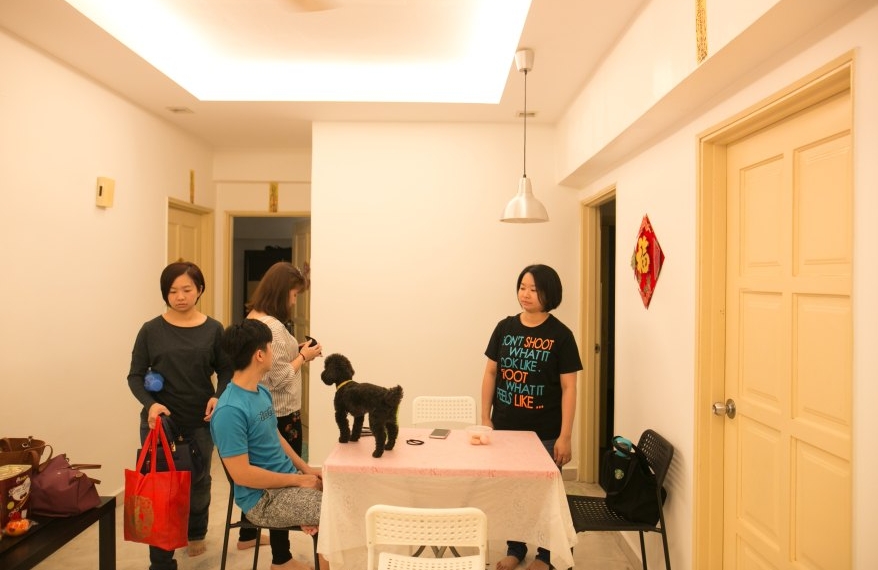
Before they set out, a short chat with the family, including the family pet, is a must.
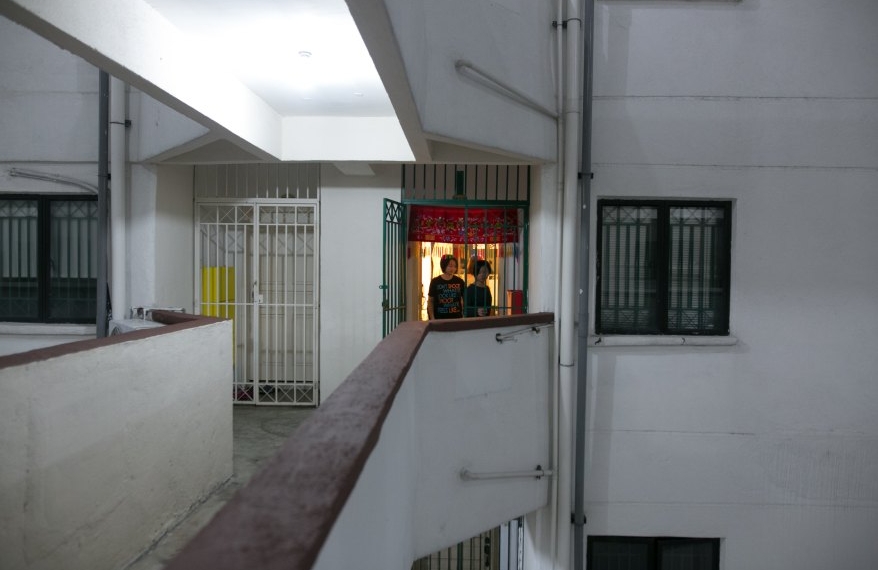
0500hrs-It’s still dark as they leave home, but they prefer to start the day earlier in order to avoid getting stuck in traffic jams as they head into the city.
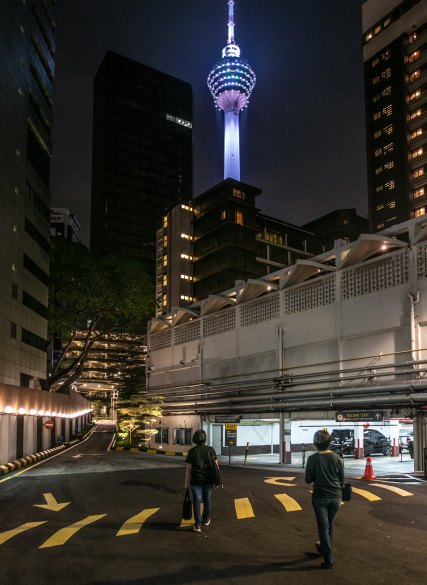
0630hrs—The city is barely waking up as the sisters reach Concorde Hotel Kuala Lumpur, where a long and busy day awaits.
 
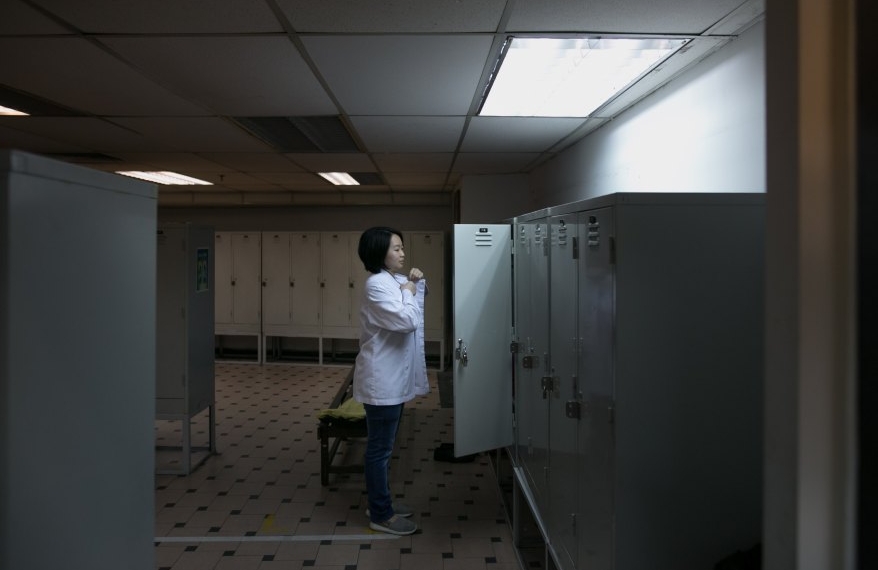
0640hrs—The staff locker room is engulfed in silence, as the sisters are the first to get in to work.
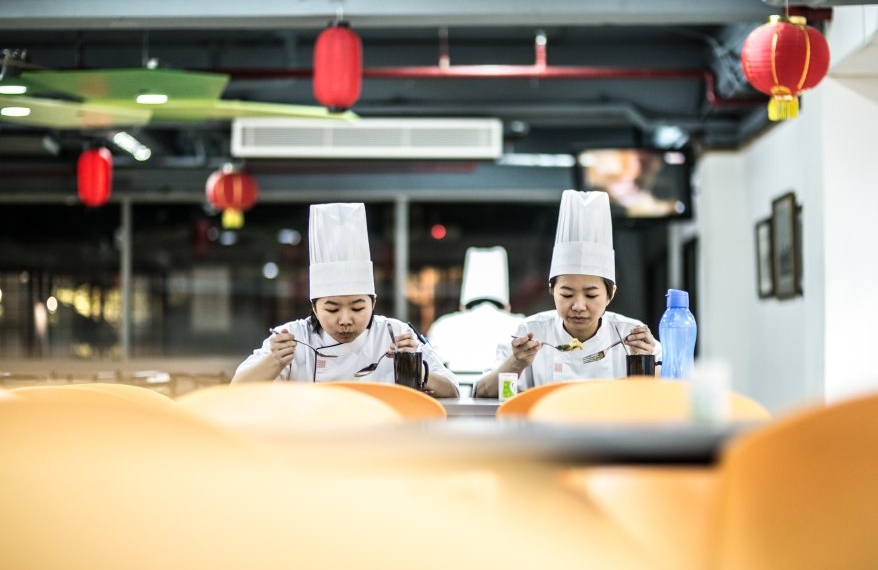
0700hrs—Breakfast is the most important meal of the day, even for chefs. The sisters are enjoying some breakfast from the buffet spread in the staff dining room.
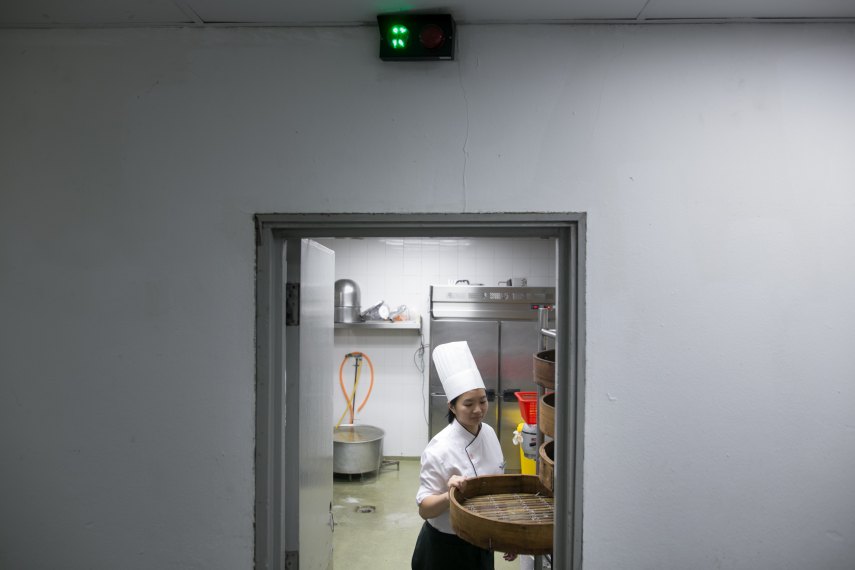
1000hrs—The restaurant opens and the dim sum pushcart is rolled out, piled high with freshly cooked dishes. The content of the pushcart can only last for a few tables, and the chefs have to quickly replenish everything every 15 minutes.
Each dish is meticulously handmade, with the finishing touches added just before a dish is served.
1200hrs—1200hrs to 1300hrs is the most hectic time of the day, so the chefs and staff can only stop for lunch after 1430hrs when the restaurant closes for a break.
1700hrs—The chefs start preparing for the evening service, which begins at 1830hrs. They will often take turns to break for dinner as the evening service is just as busy as lunch.
 
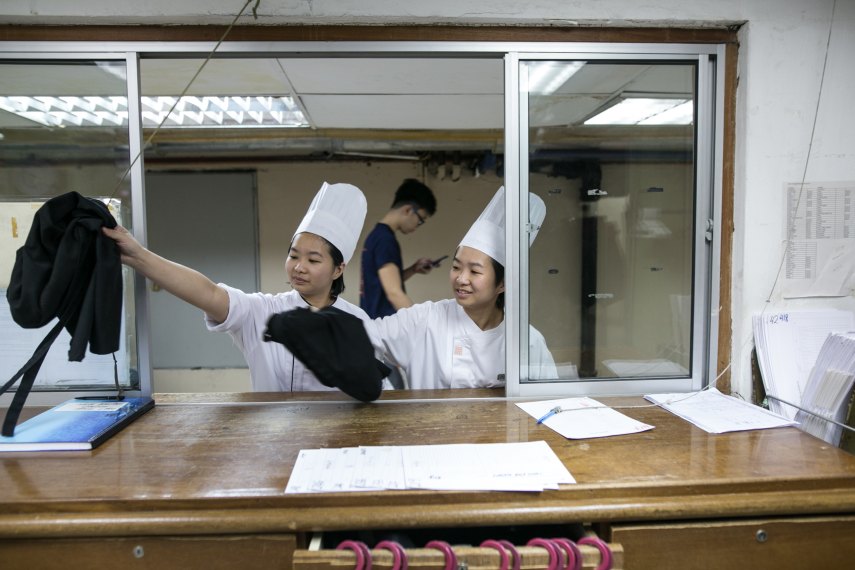
1900hrs—The sisters call it a day, signing out and handing in their aprons before starting the long drive home.

The girls’ passion for food is obvious, as they love cooking for family and friends even on their days off. In fact, they will make it a point to check out other eateries whenever they are free, so they can constantly improve on their craft. According to Pooi Fong, her favourite dim sum eatery that serves up innovative fusion concoctions is Ruyi & Lyn Restaurant in Bangsar.

If you’re ever in Kuala Lumpur, remember to drop by at Concorde Hotel to experience some of the girls’ creations at Xroads Xpress, a calming oasis in the city, or Xin Cuisine, a favourite amongst locals and the city’s expatriates.

Sacred Relics On A Royal Hill

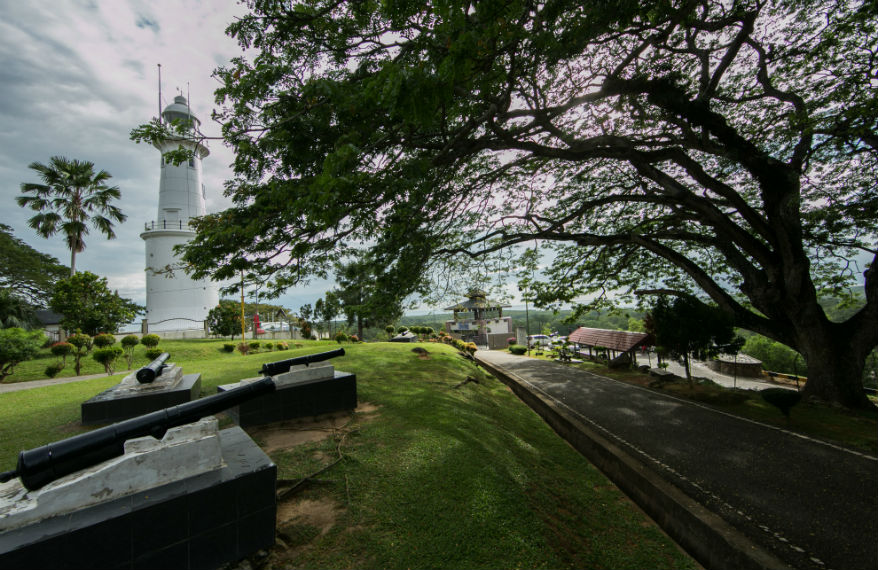
There’s something about Bukit Malawati. A tranquil peak in the heart of Kuala Selangor, immense rain trees shade silver-leafed monkeys and long-tailed macaques, rolling grass hills afford sweeping views of the coastline.

Glossy starlings, blue-tailed bee-eaters and eagles grace the air. Once a mighty fortress, now a designated historical monument, it tells the story of native strength.

Aided by gun power, the fort fell to Dutch invaders in 1784. But in 1785, with the help of Pahang warriors, Permatang mercenaries and his brother Raja Nala, Sultan Ibrahim drove out Dutch occupiers in a single night. Beginning after the last evening prayer of Isyak, Sultan Ibrahim’s courageous attack beat foreign power, recapturing Bukit Malawati by break of dawn. Today, proud locals bring children and overseas friends here to the Historical Museum of Kuala Selangor District, to share Selangor’s indomitable spirit.

Once a mighty fortress, now a designated historical monument.
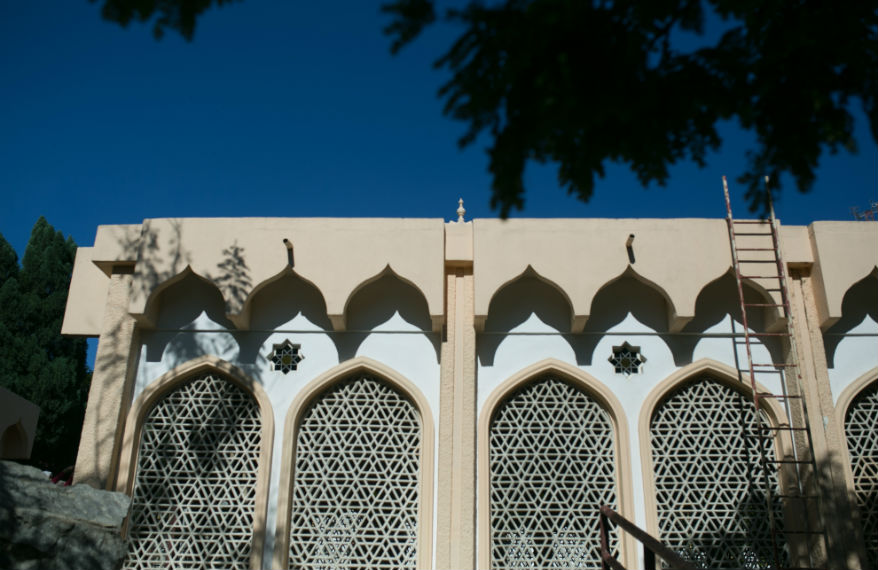
A royal mausoleum where the first three sultans rest.
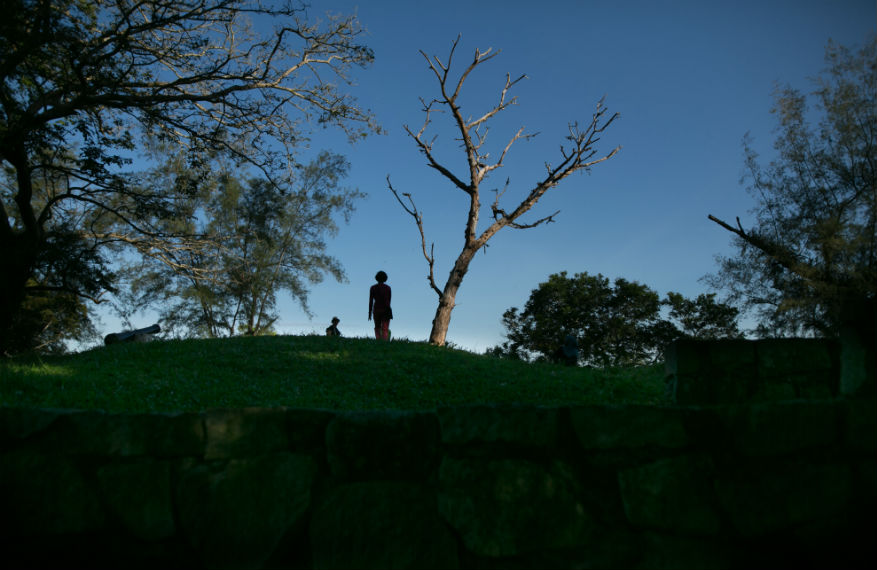
At the tranquil peak, in the heart of Kuala Selangor.

Besides driving or walking, the 15-minute tram ride is one of the best ways to enjoy its mystical splendor. Inside a royal mausoleum, the first three sultans rest. Along the way, an empty palace ground, a bedrock for beheading, and a poisoned well are just some remains of political intrigue you’ll encounter.

H Directory

Majlis Daerah Kuala Selangor, Jalan Semarak, 45000 Kuala Selangor, Selangor, Malaysia
Tel +603 3289 1439
Open 9am to 6pm, daily
Free admission, tram rides only available on weekends and public holidays at RM5.30
Visitors are advised to dress modestly.

Sky Mirror: Selangor’s Salar de Uyuni

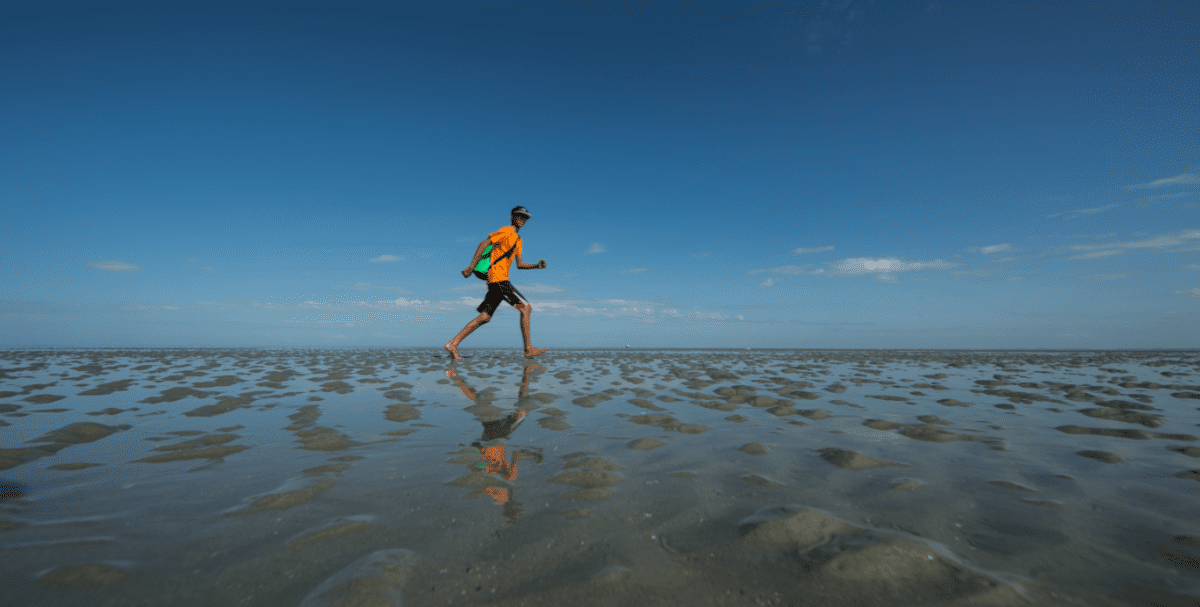
Sasaran Beach is better known as “Mirror in the Sky”  because of its mirror-like reflection of the sky. 

Discovered in 2015, Sky Mirror is Malaysia’s answer to Bolivia’s Uyuni salt flats, where feet touch the sky. It’s not an everyday sight.

Only twice a month, four days before and after new and full moons, waves roll back to reveal a secret sandbank, said to be 150 football fields wide. When the water is still, Sky Mirror is at its most beautiful. Typically, this occurs at about 7.30am, on the fourth and fifth of every month.

Walk on Clouds -Shah Alam pic 2Thirty minutes later, you arrive in the middle of nowhere. Anticipation runs high, as tides recede. Green, teal, brown… sand! Everyone jumps off the boat, onto powdery soft undulations. Gentle waves lap at ankles, as sand dollars scurry away. Cameras click on, to seize the picture-perfect day. All around, an awesome panorama, shining double in the sea.

Walk on clouds-Shah Alam pic 2Since becoming an official tourist destination in 2016, Sky Mirror tours are fully booked. Day trips run at RM80 for adults, RM60 for children, inclusive of insurance and a delicious local lunch on the boat. Night trips cost a little more. Advance booking of two weeks for day trips and a month for night trips are highly recommended. Occasional extras include migratory birds, monkeys on nearby beaches, and if you’re lucky, dolphin.

If you wish to visit, please contact

SKY MIRROR TOUR & TRAVEL SDN BHD
15 Jalan Yu 1, Taman Yu
45800 Pekan Sasaran
Kuala Selangor, Selangor, Malaysia
Tel: +6019 266 6665

Close to Nature: The Habitat Penang Hill

Penang Hill is one of the island’s landmark and a popular place visited by locals and tourists alike, a great escape from the hustle and bustle of city life.

In recent years, we have seen Penang Hill undergo a revival of sorts. The Habitat is the latest addition – a world-class eco-tourism facility committed to conservation and environmental awareness.

Set on the fringes of a 130-million-year-old virgin rainforest on Penang Hill, The Habitat is an eye opening, fun and educational rainforest experience. One can easily spend the entire day atop the “lungs of Penang” with nature trail, tree-top walk, canopy walkways to explore and guided tours by experienced guides. If you’ve had too much delectable local food in Penang, spending a day at The Habitat would definitely give your laden stomach a break.

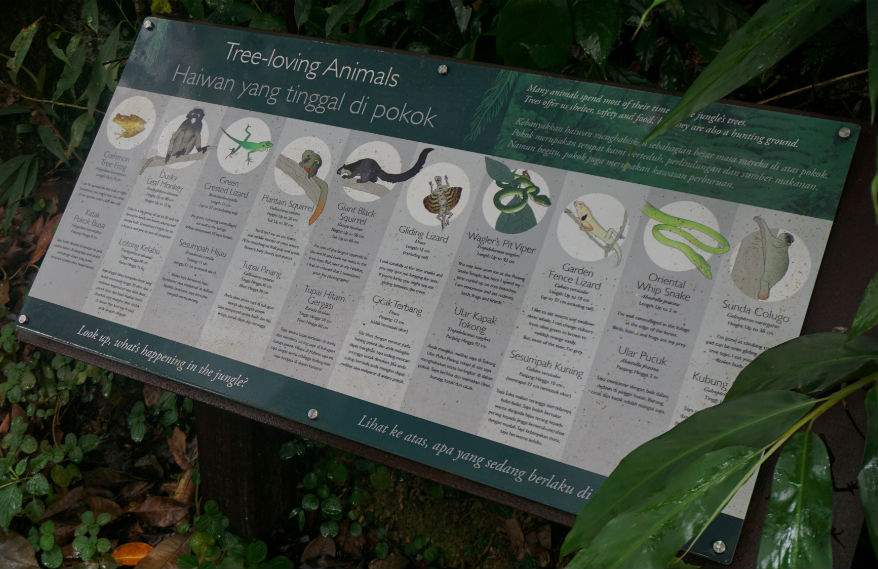
Nature Trail marks the starting point of The Habitat. This 1.6km trail is easy to navigate with educational signs located along the trail to educate visitors on the flora and fauna in The Habitat. Complimentary guided tours are also available and are conducted by experienced naturalists. We highly recommended you go on one especially if it’s your first time. We were lucky enough to have Mr. Nazirul Musidi, a friendly local from Penang to bring us around. Graduating from Jordan and an expert in forest survival, Nazirul is an experienced guide fluent in English, Malay and Arabic who shared his insights on the flora and fauna in the locale.

Educational signage can be along the trail to teach you more about what you see.
Nutmeg Farm
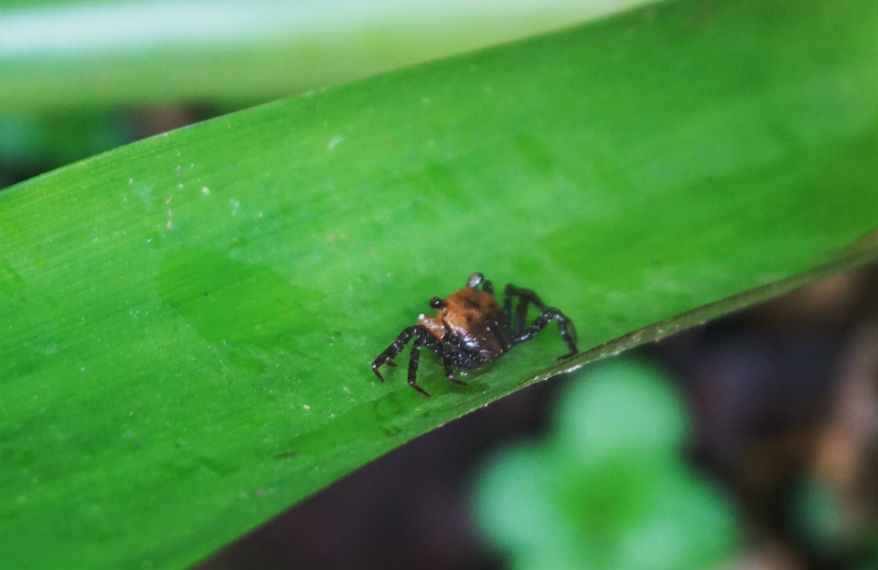
The Bromeliad crab resting on the Bromeliad plant.
Nutmeg Farm
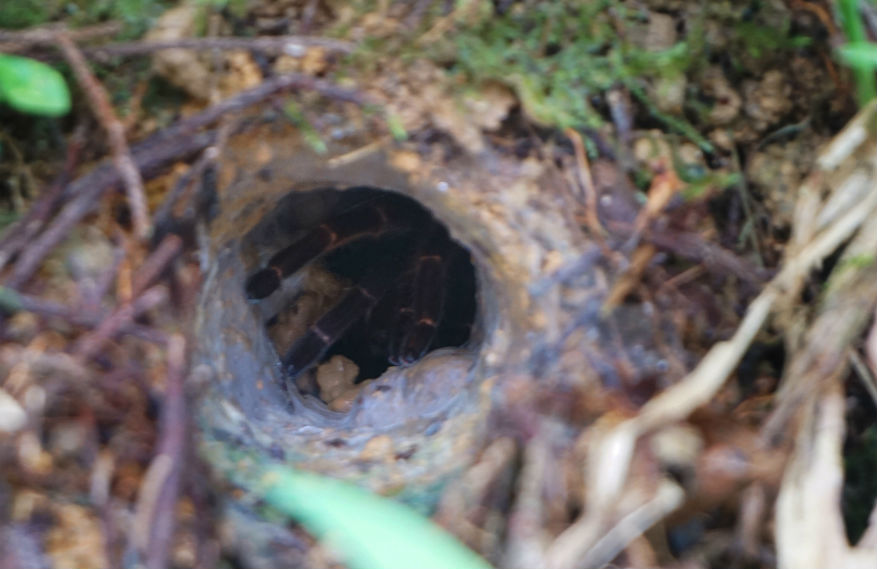
A tarantula in its nest.
Nutmeg Farm
Different flora and fauna found along the trail.
Nutmeg Farm
Different flora and fauna found along the trail.
Nutmeg Farm
Nazirul, our nature trail guide who was friendly and insightful.

Be greeted by beautiful themed gardens along the nature trail in The Habitat such as the Fragrant Garden, Ginger Garden and Purple Garden. We think that these gardens are perfect Instagram-worth places!  Butterfly Bank is designed specially to attract not only the beautiful butterflies but moths as well and great for you to just relax and watch the butterflies play.

Touch, feel and smell the different types of flora that is unique with its own fragrance or smell in the Fragrant Garden.
Nutmeg Farm
Touch, feel and smell the different types of flora that is unique with its own fragrance or smell in the Fragrant Garden.
Nutmeg Farm
The Ginger Garden cultivates and showcases both wild and culinary ginger.
Nutmeg Farm
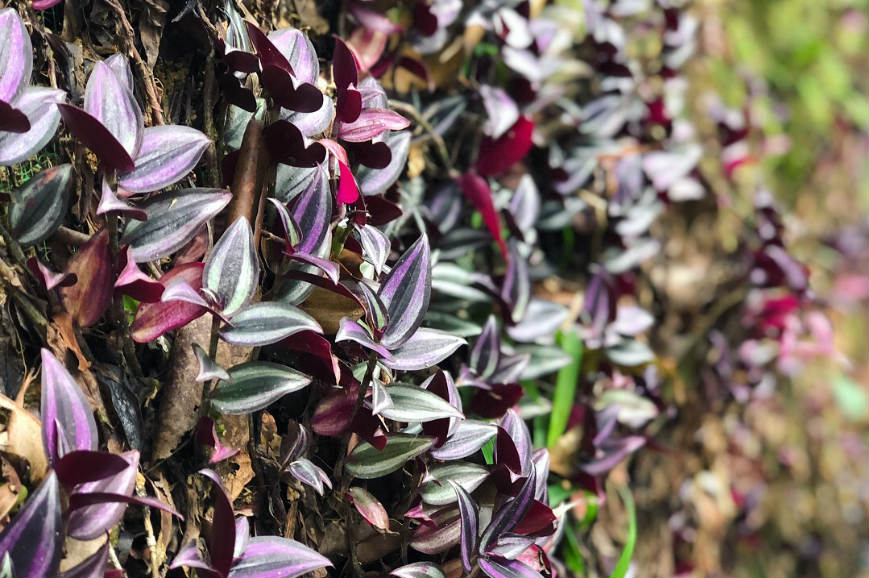
The Purple Garden is designed and surrounded by walls of purple with slight hues of red, violet and blue flowers.

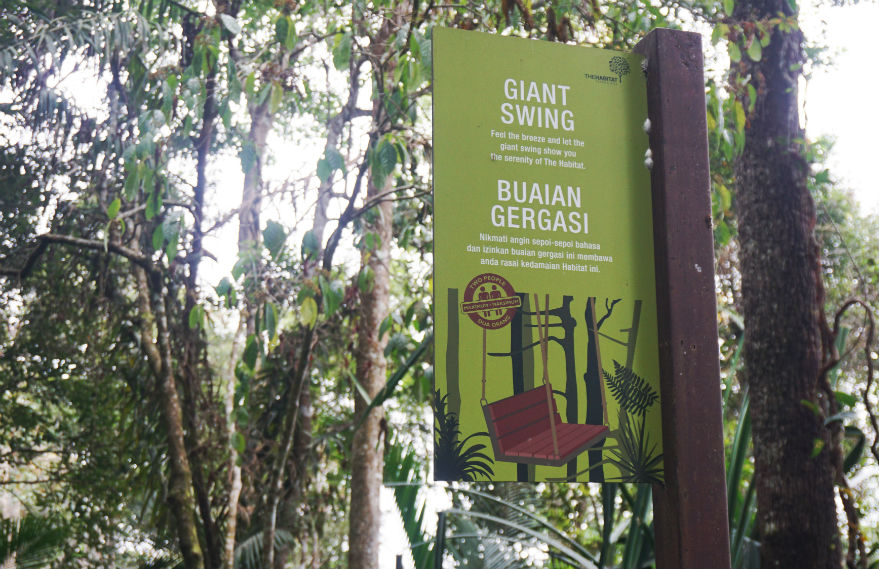
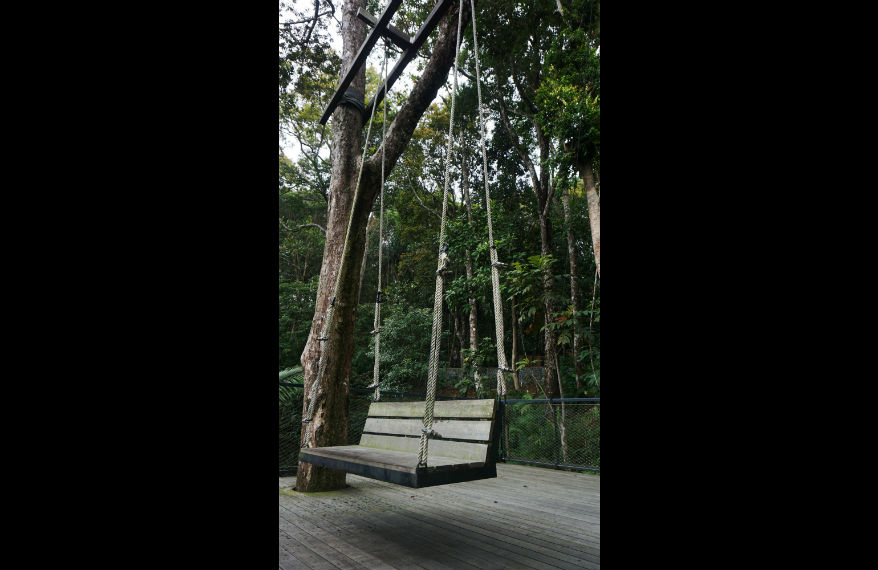
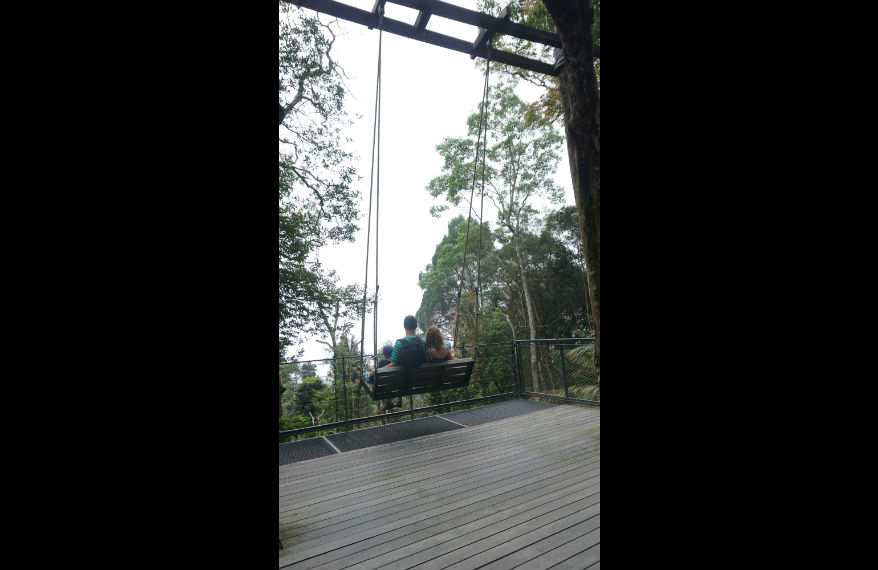
Tired from all the walking? You can also take a breather on one of their Giant Swings along the trail. 2 of 5 giant swings in Penang can be found in The Habitat where one is located near the Canopy Walk and the other is located in between the Drongo Circle and the Squirrel Circle.

Follow the sign to the Giant Swing.
Nutmeg Farm
2 of 5 giant swings in Penang can be found at The Habitat. 
Nutmeg Farm
2 of 5 giant swings in Penang can be found at The Habitat. 

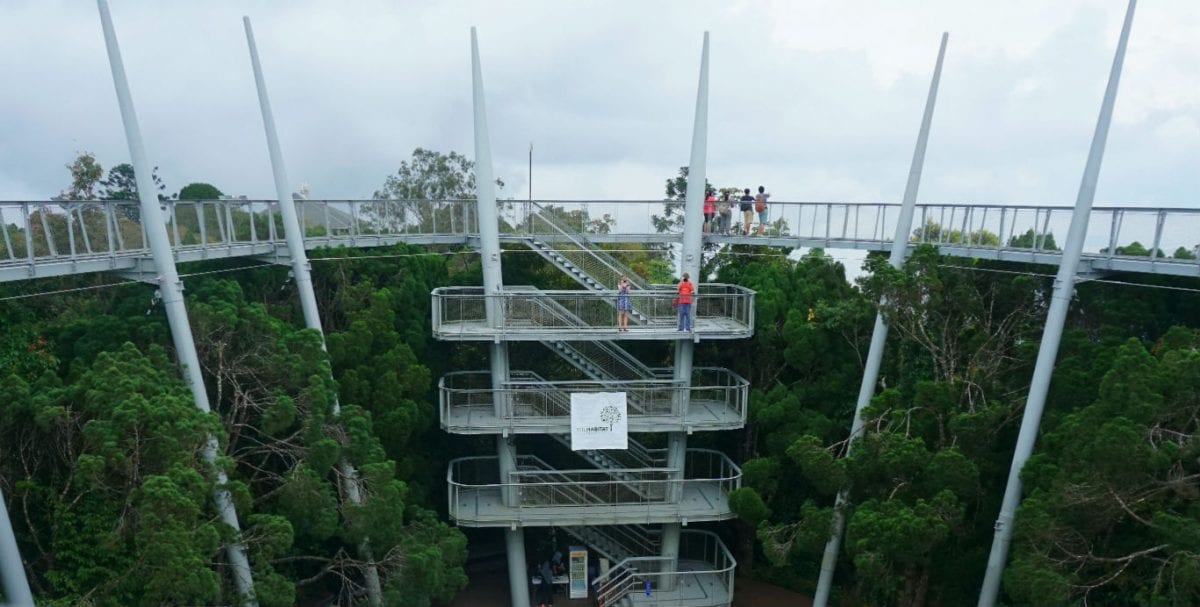
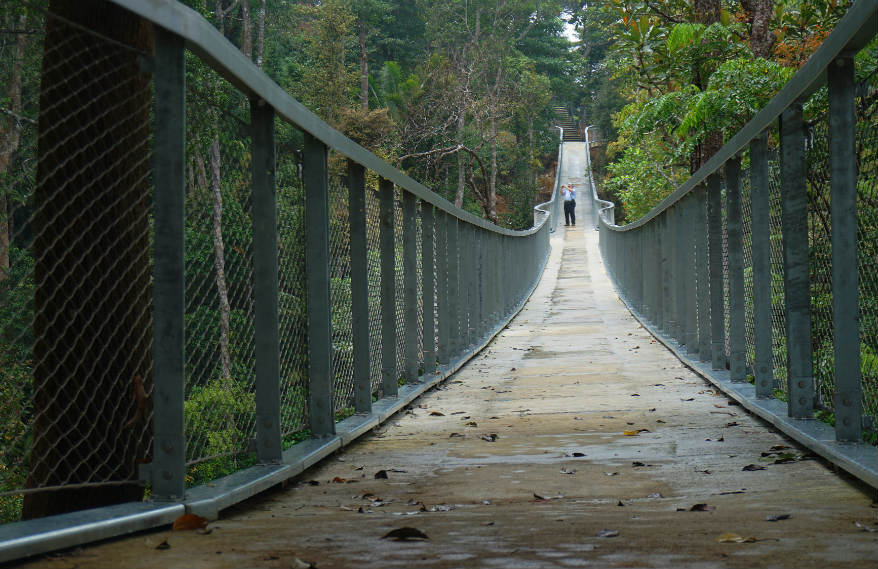
Canopy Walk (also known as Langur Way) is an extension to the trees and stretches out to 230m in length with the highest point standing at 30m in height. Here, you are able to enjoy unobstructed views of the rainforest and on clear sunny days, you can see the beautiful Andaman Sea, Gunung Jerai and even the Langkawi Island from this bridge!

Canopy Walk stretches out 230m in length.
Nutmeg Farm
Take in unobstructed views of the rainforest at the Canopy Walk.
Nutmeg Farm
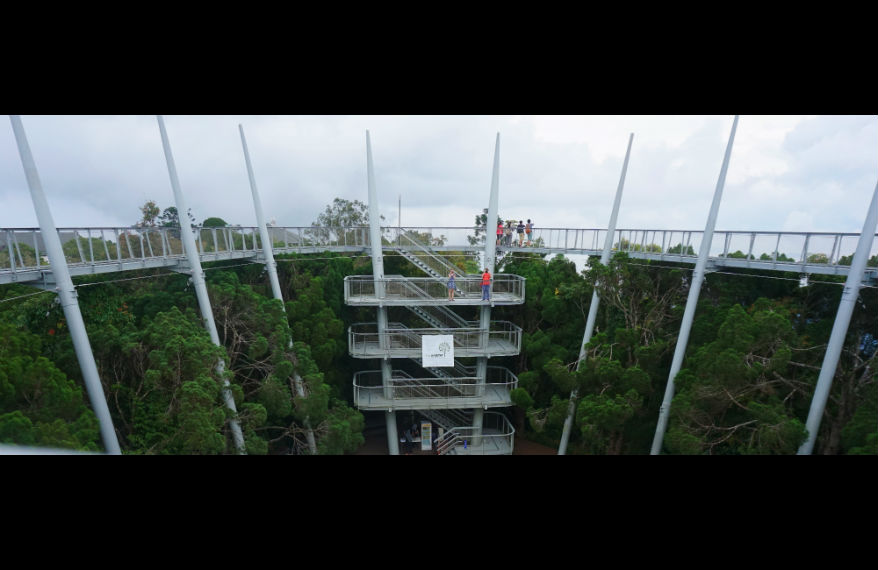
Tree Top Walk is the highest viewing point in Penang Hill.

Be sure to check out the Tree Top Walk (also known as Curtis Crest) during your visit here. The Tree Top Walk is located 800m above sea level and it is also the highest public viewing platform in The Habitat. It offers a breath-taking 360-degree panoramic view of Penang Island. A Sunset Walk is also available at 7.00pm where visitors are able to witness mesmerizing sunset view. The floor also lights up with fibre optic lights which mimic the look of the galaxy.

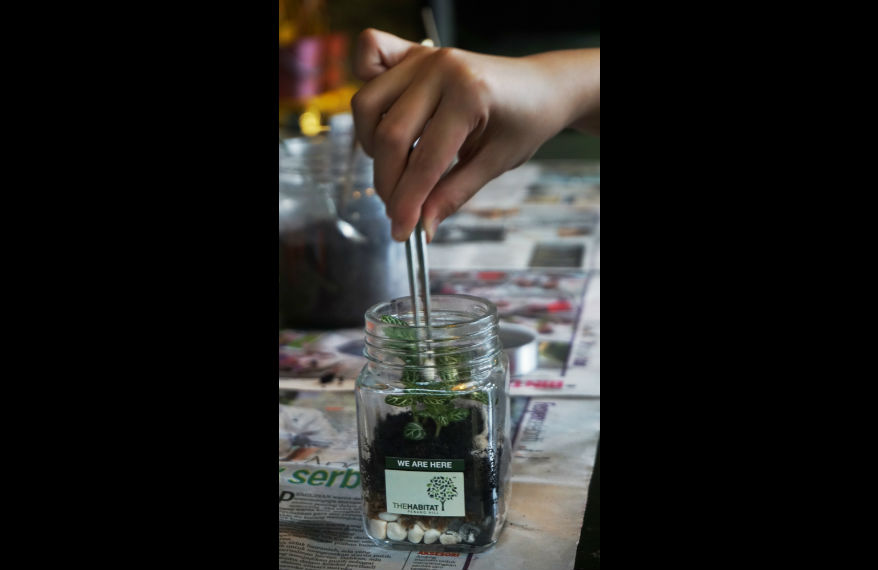
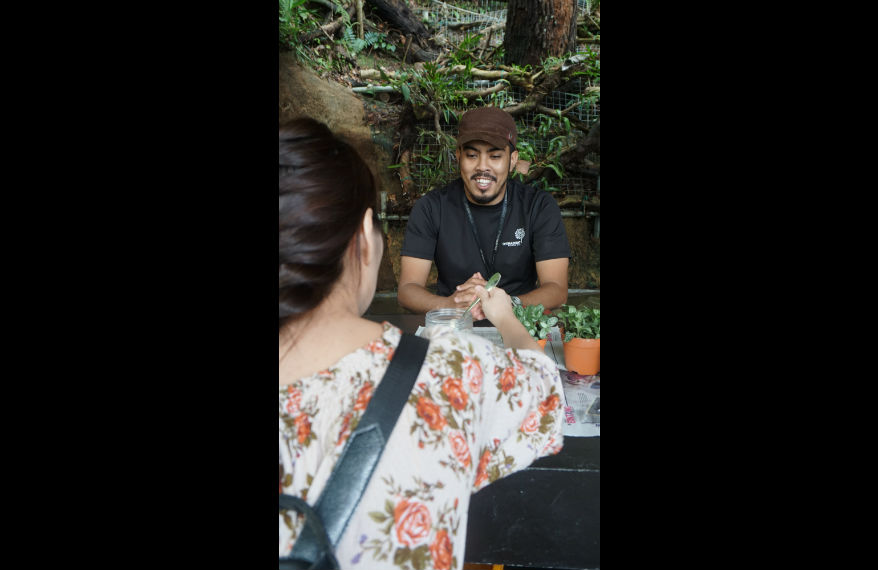
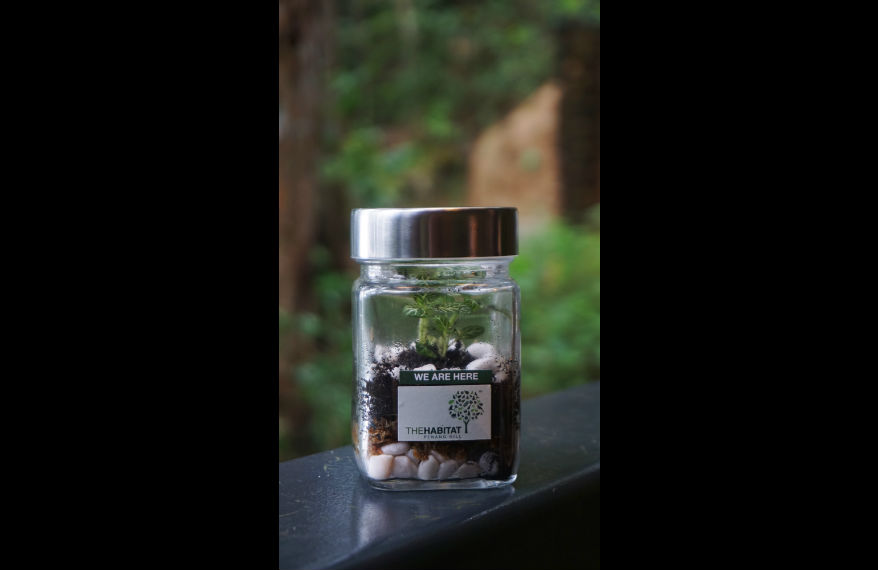
When in The Habitat, don’t forget to pop by the terrarium workshop and learn how to make your own terrarium from scratch. By paying only RM10, you can learn and make your own terrarium with guidance from the friendly staff stationed here.

Learn to make your own terrarium.
Nutmeg Farm
Staff guiding guests on how-tos in making a terrarium.
Nutmeg Farm
Bring home your own personal terrarium.

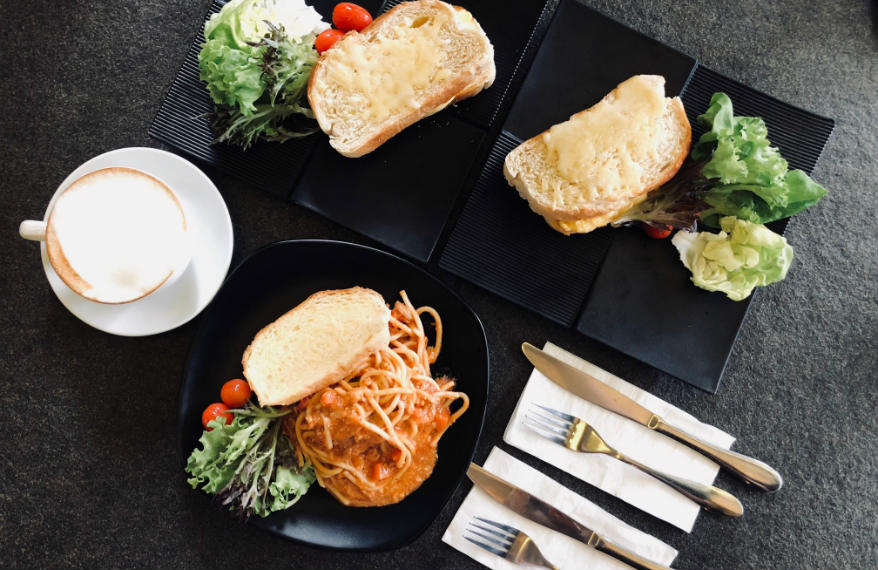
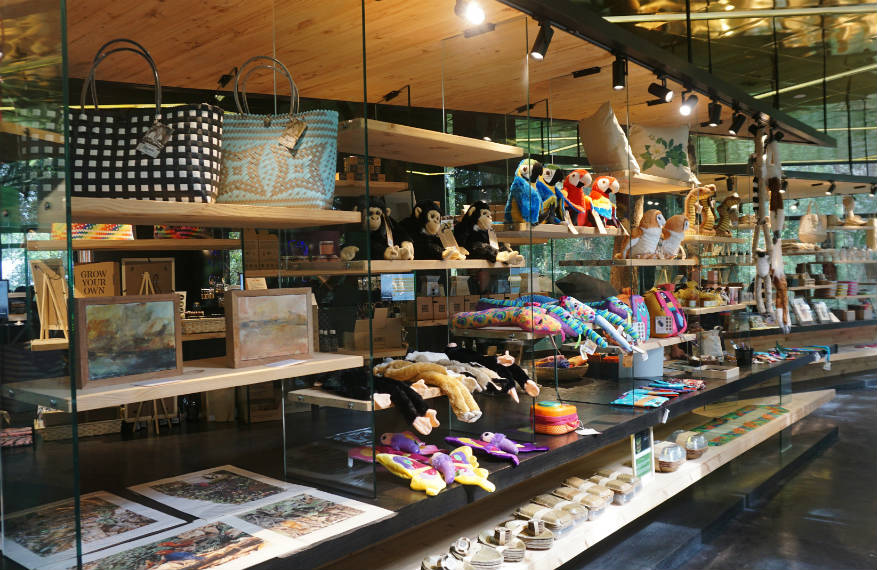
We ended our visit at The Habitat Café to fuel up after our long walk. This café serves a good selection of pastries, cakes, pies, pastas, toasts and coffee at a reasonable price. If you’d like some memorabilia, ‘Shop on the Hill’ offers a variety of gifts from merchandise, soft toys to a terrarium, paintings, jewellery and bathroom essentials. They even sell small seedboxes for you to grow your own herb garden at home.

The Habitat Café
Nutmeg Farm
‘Shop on the Hill’

Did you know?

  • Heavy machines were not used nor allowed in the process of building the Canopy Walk. Only manpower and tree-climbing system were used to build this canopy bridge in order to be “tree-friendly”.
  • Located at a flat surface in The Habitat, the area that the Tree Top Walk now stands was once used as a tennis court back in the 1890s for people that stayed over in Penang Hill for holidays. It was also used as a military parade ground by the East India Company troops to keep watch for approaching enemy ships – since this area is the highest viewing point in Penang Hill.
  • Giant Black Squirrel builds more than 10 nests and are scattered on random trees within the forest. The Giant Black Squirrels do this to protect the babies from preys such as snakes.
  • Bright coloured flowers or plants are labelled as poisonous plants in animal nature.
The Habitat Penang Hill

Address: The Habitat Penang Hill, Bukit Bendera, 11300, Penang, Malaysia.
Contact: [email protected]
Website: www.thehabitat.my

Langkawi: Taking it Slow

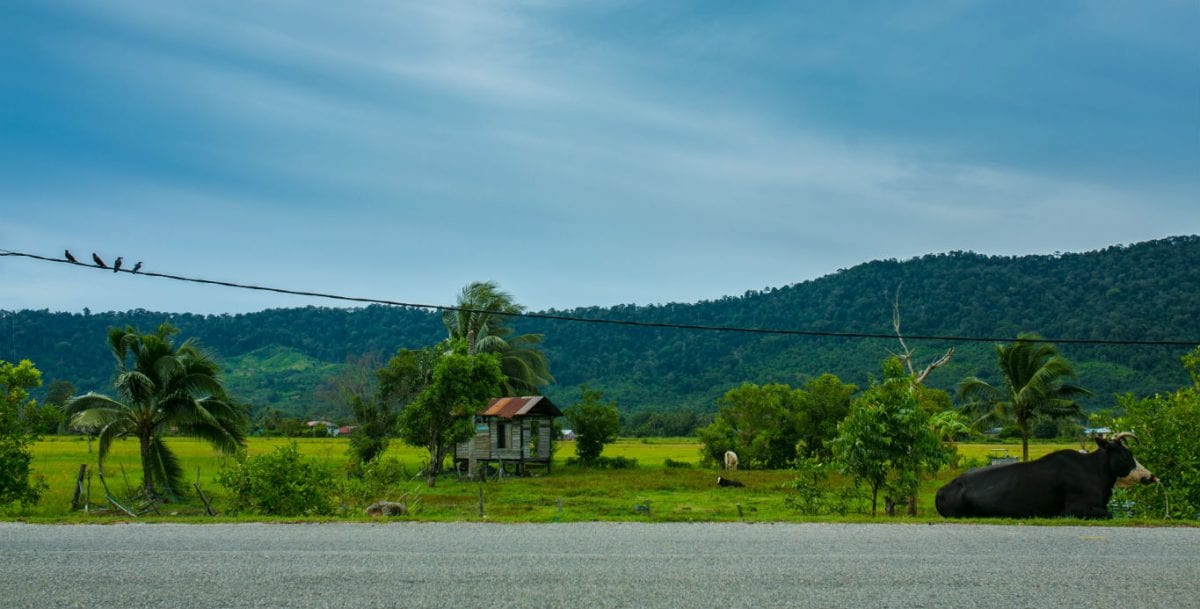
While fringed by miles of white sandy beaches, the main island of Langkawi is a combination of vast, bright green paddy fields, jungle-clad hills and limestone formations dating back millions of years.

Rice cultivation is the main source of livelihood, long before tourism arrived on the shores of the island. Water buffaloes can be seen tilling the paddy fields, as children play outside their wooden houses in the villages.

Rent a bicycle and take a leisurely spin around the island, for you will be rewarded with an appreciation of Langkawi’s rustic lifestyle and green side that can’t be gained just by chilling at the beach.

Explore the island by land, sea, and air and see Langkawi up close and personal.

Saanen Dairy Goat Farm: You Get What You Feed

Ho Juan Aun loves animals since he was a kid, so he bought dairy goats from Australia and started a farm. But he found his countrymen aren’t receptive to goat’s milk because they believe it tastes funky.

Juan Aun visited other goat farms in Malaysia and Singapore before he finally found a generous farm owner in Johor Bahru who taught him how to produce more palatable milk.

The secret lies in what the goats are fed. Most farms, he learned, use by-products of bean curd that turn bad very quickly in this region and climate, causing the goats to produce disagreeable milk. Instead, he feeds his goats a mixture of soybeans and mulberry leaves. The result is Juan Aun’s goat’s milk has no gamey flavour. He didn’t stop there. For those who don’t have the habit of drinking milk, Juan Aun also creates delicious milk products like ice cream, passion fruit Greek yoghurt and puddings. If you’re still not convinced, at least come see the goats at the farm that is open to the public.

Brown sugar bun made of goat's milk.
Passion fruit Greek yoghurt made of goat's milk.

H Directory

Saanen Dairy Goat Farm

298, MK 1, Sungai Pinang, 11010 Balik Pulau
Tel: +6019 516 3017
Open 10am to 5pm, daily.

Snacking on Culture: Ondeh Ondeh Recipe

The hardest part about visiting Baba Charlie Nyonya Cake is exercising restraint when faced with the colourful spread of kuih. These are an integral part of the Peranakan culture, and are often taken as breakfast, teatime snacks or dessert.

You’ll be tempted to shove all the morsels of gooey goodness right into your mouth, but if you don’t have enough tummy space, Charlie recommends starting with the lepat kacang, kuih bongkong and rempah udang. All three are wrapped in leaf packets, with fillings of soya bean, gula melaka and dried shrimp respectively. These homemade delicacies are cooked in the family kitchen just outside, where you’ll find Charlie’s mum and wife helping out. The talented chefs also whip up a mean nasi kunyit, or turmeric glutinous rice, that looks deceptively simple but tastes absolutely fantastic.

Baba Charlie Nyonya Cake

72 Jalan Tengkera Pantai 2C, 75200 Melaka.
Tel +6019 666 2907 / +606 284 7209
9am to 7pm, daily. Closed on Thursdays.

ONDEH ONDEH

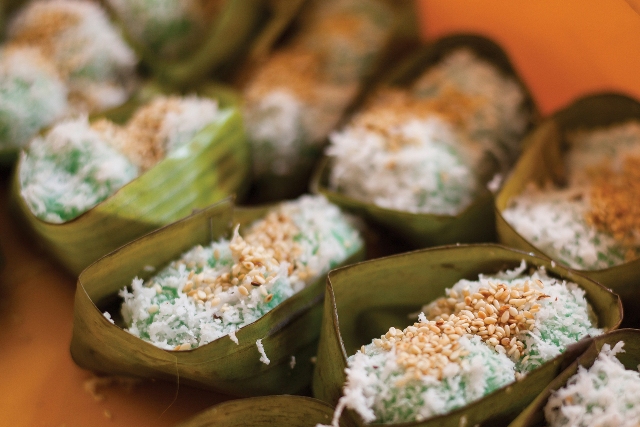
These pandan-flavoured glutinous rice balls with a melted gula melaka (Melaka palm sugar) filling should be made with good quality ingredients, and taste best when eaten warm.

INGREDIENTS:

  • Juice of 5 pandan leaves
  • Juice of 5 cendol leaves
  • 100g gula melaka
  • 200g glutinous rice flour
  • ½ grated coconut

METHOD:

  1. Mix the sifted glutinous rice flour with the pandan and cendol leaf juice. Add boiling hot water to get a smooth dough that’s not too sticky.
  2. Divide dough into small pieces, flatten, scoop some gula melaka into the centre as a filling and roll into balls.
  3. Drop the balls into boiling water. Scoop them out when they float to the top and shake off excess water.
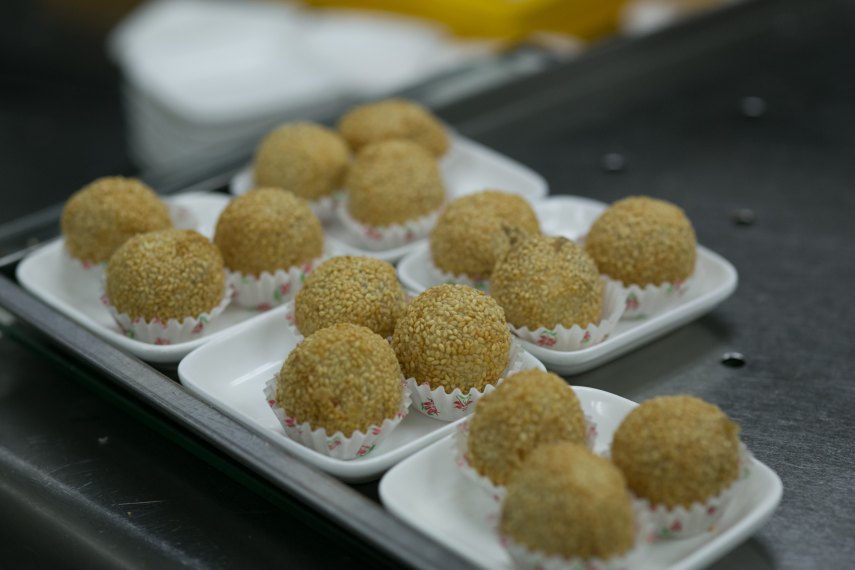
  4. Toss in grated coconut and garnish with sesame seeds.
A colourful spread of kuih that taste absolutely fantastic.
Stuffing gula melaka into the centre of the glutinous rice flour dough,
Boiled ondeh ondeh tossed in freshly grated coconut.
 
Ondeh ondeh garnished with sesame seeds, ready to be consumed.

The Penang Hawker

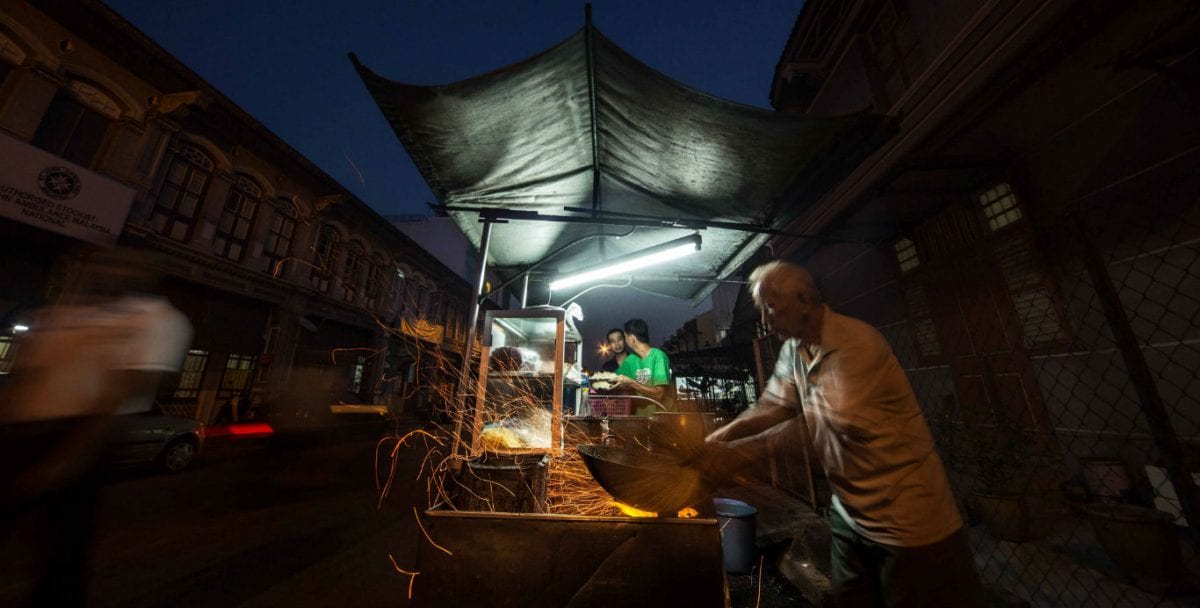
One of the stars of Penang hawker fare is the char koay teow, a stir-fried flat rice noodle dish. Mr Tan has been frying his char koay teow for many years at Jalan Siam, near the Jalan Anson junction. He’s practically an institution as he’s one of the few remaining hawkers using charcoal instead of gas. Customers place their orders and walk over to the corner coffeeshop for a usual 30-minute wait. But it’s well worth it, as the flavour of the charred noodles steeped in the sweetness of lap cheong (waxed sausage) and prawns, coated with lard and tempered with spring onions and beansprouts is really a taste of old Penang.

Mr Tan operates from Tuesday to Saturday, from 12pm to 7pm or whenever he runs out of noodles.

H Directory

Siam Road Char Koay Teow
Jalan Siam, 10400 Penang

Cool Comforts at the Top

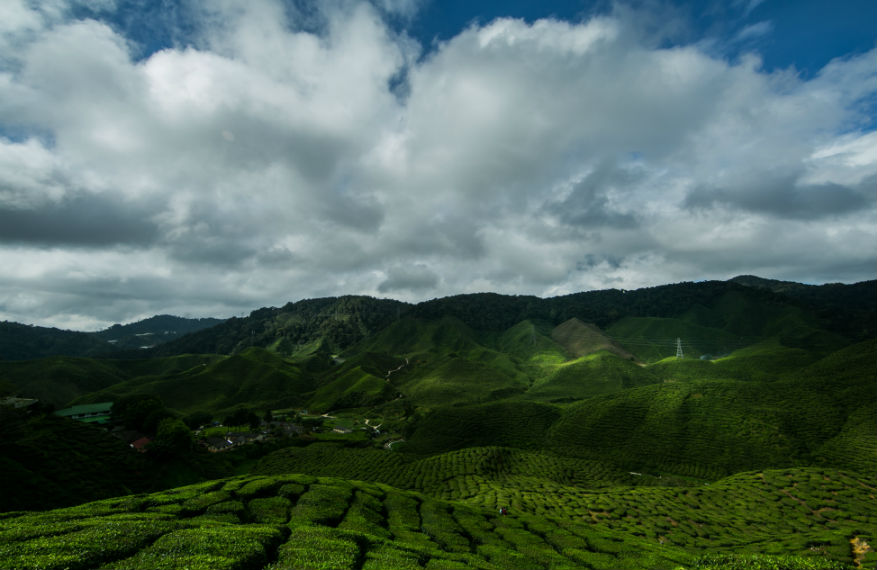
Cameron Highlands is a compelling escape from Malaysia’s tropical heat.

With day temperatures seldom rising above 25°C (77°F), Cameron Highlands is a compelling escape from Malaysia’s tropical heat. Since the 1930s, heat-addled Brits have made their way up 1,100 metres to 1,600 metres above sea level, to chill out in holiday homes. Now accessible by four main roads, Ipoh and Tapah on the west, Gua Musang and Kuala Lipis on the east, countless locals and tourists follow suit for cooler climes.

Mapped by Sir William Cameron in 1885, Cameron Highlands spans 712km2. Ringlet, Tanah Rata and Ulu Telom are three main townships where over 38,000 reside. Here, a diverse population of Malays, Chinese, Indians and various other ethnicities live and work as entrepreneurs, hospitality providers, farmers, researchers, conservationists and public servants. The local community is multilingual and multi-religious. You’ll encounter warm people, in the perpetual cool of the day.

An estimated 71 percent of the Highlands is still forested. Home to over 700 species of plants, the woodlands also shelter a wide range of animals, birds, reptiles and insects. Among these, the Sumatran serow, mountain peacock-pheasant and Malayan whistling thrush, all threatened species.

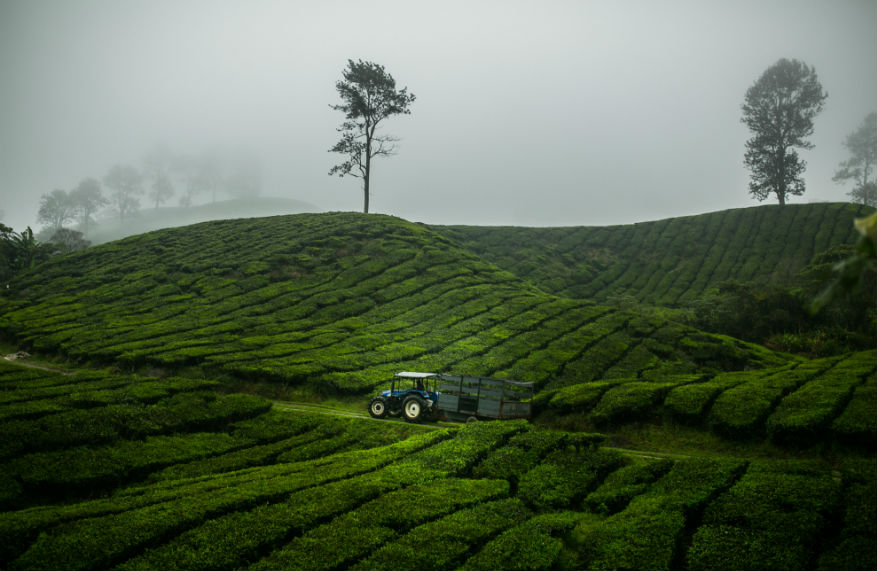
Development in Cameron Highlands started during the British colonial period. Beyond the perfect summer sanctuary or retirement bungalow, the Highlands makes for prime cropland. High altitudes, moderate temperatures, ample sun, abundant rain and fertile soil remain ideal for growing vegetables and tea.

In 1929, John Archibald Russell, visionary son of a British administrative officer, saw tea as the new crop for Malaya. Together with A.B. Milne, veteran tea planter from Ceylon, he succeeded in his application for land concessions. Armed with a single steamroller, Russell, his men and his mules transformed steep jungle slopes into a lush tea plantation, a first in the Highlands and the country. Now home to many tea plantations, Cameron Highlands continues to be Malaysia’s largest tea-producing region.

Truly the “Best of Highlands”
 
Bring home a cuppa from BOH’s specialty tea shop.

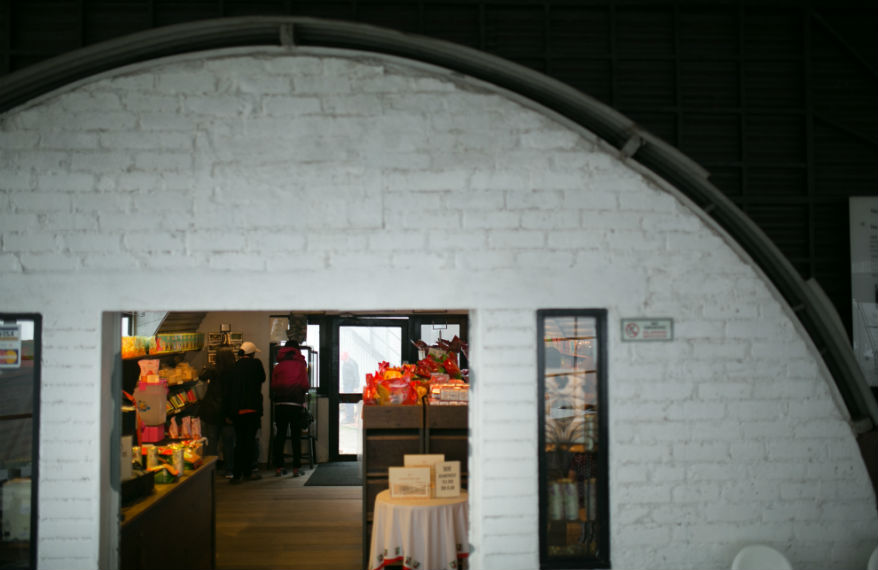
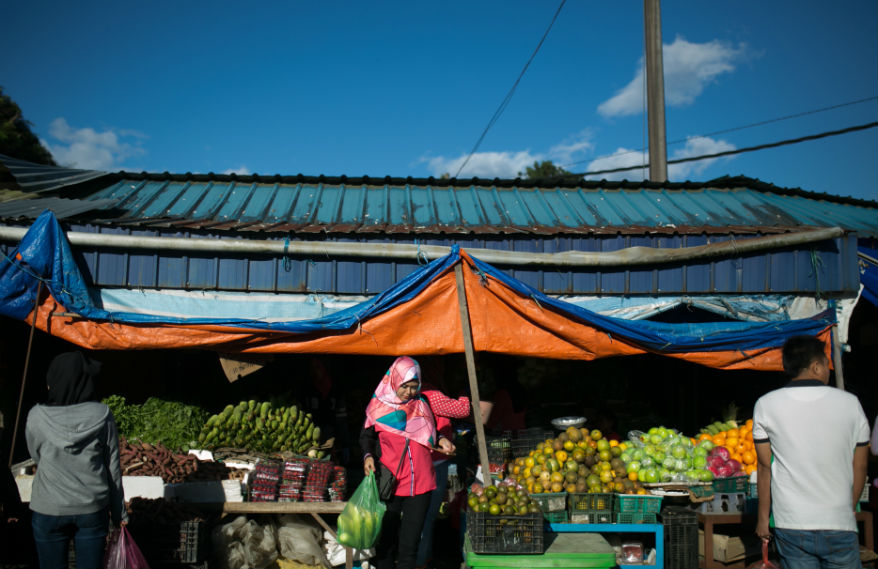
Nicknamed ‘Malaysia’s Green Bowl’, the area is also a major supplier of legumes and vegetables locally and to Singapore. For a fresh sample, find your way to Kea Farm. At 1610 metres, it is literally the Highlands’ top spot for locally grown strawberries, corn, seasonal greens, honey, flowers, and fruits. Over fifty stalls line a single road to form this lively alfresco farmers’ market. Food vendors offer an aromatic mix of endless local delicacies; steamed corn, sweet potatoes, fried noodles with your choice of protein over charcoal grill. Open daily from 8am to 5pm, you’ll have time to try them all.

Only the highest quality, at the highest peak. Pick the season’s freshest at Kea Farm.
Healthy and delicious, local honey products are Kea Farm visitor favourites.
Keep memories fresh with evergreen souvenirs from Kea Farm.

Cruising along winding roads, you see many modern Highlands resorts adorned with manufactured Tudor-style fittings as a throwback to the region’s colonial past. But not The Lakehouse . At the 30th mile of Ringlet, an authentic English storybook cottage overlooks a lake. Built by retired British Colonel Stanley J. Foster in 1966, the architecture of this charming country house stays true to medieval English tradition.

Steep multi-gabled roofs plunge dramatically, designed to work with the environment of origin, to shed England’s snow. Foster’s use of noble materials, actual timber frames and stucco walls, stand the test of time. Arched entryways, casement windows and a black and white palette are bona fide Tudor.

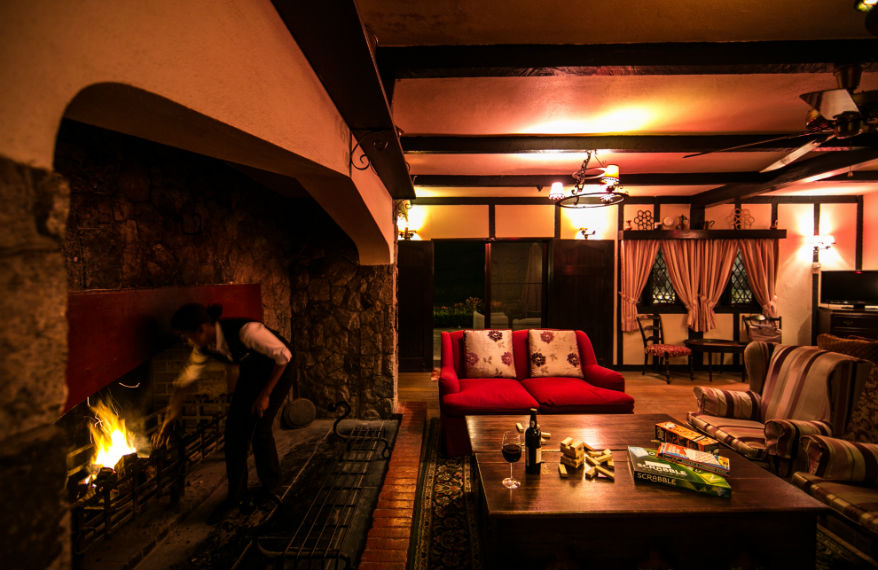
Inside, dark wood paneling, exposed timbers and custom cabinetry all add to the cosy appeal of this fairytale abode. Wrought iron lighting fixtures glow a soft velvety pink over dinner guests. Roast beef with Yorkshire pudding, roast leg of lamb with mint jelly, and chicken mushroom pie enhance dinner conversation. Like all good Tudor homes, The Lakehouse boasts two grand stone hearths, around which families can gather and relax over port lightly chilled, board games, or both.

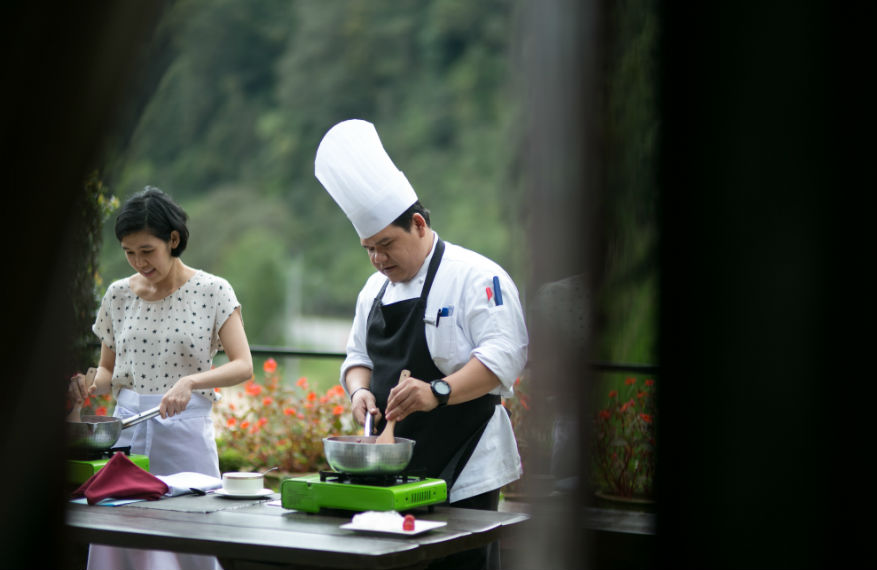
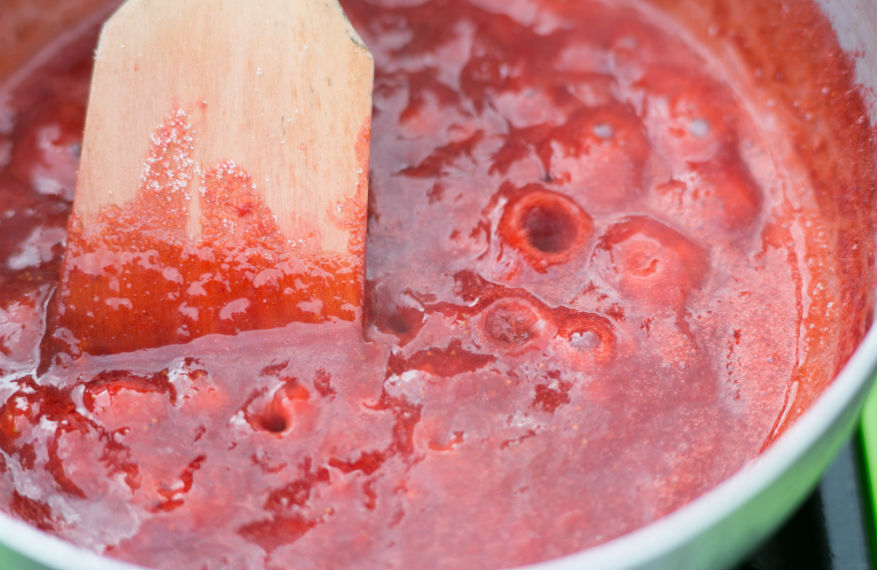
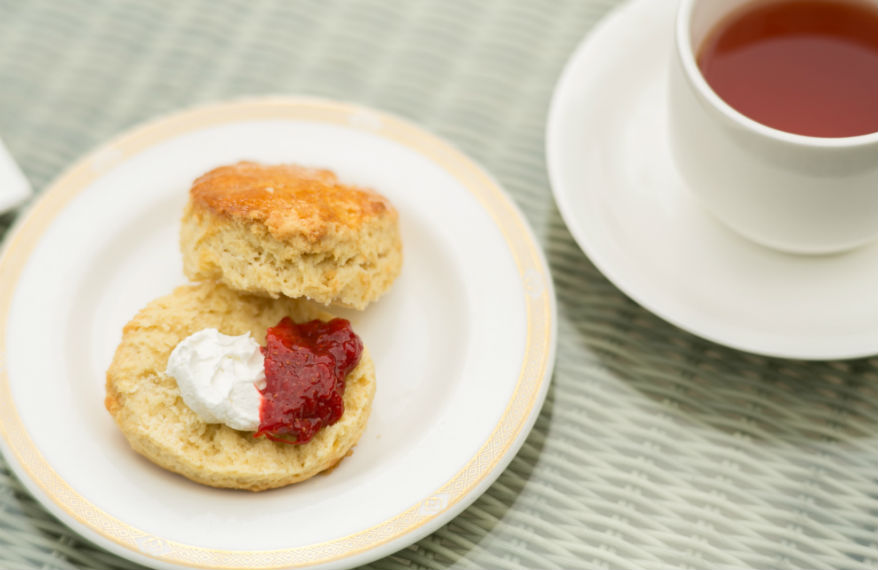
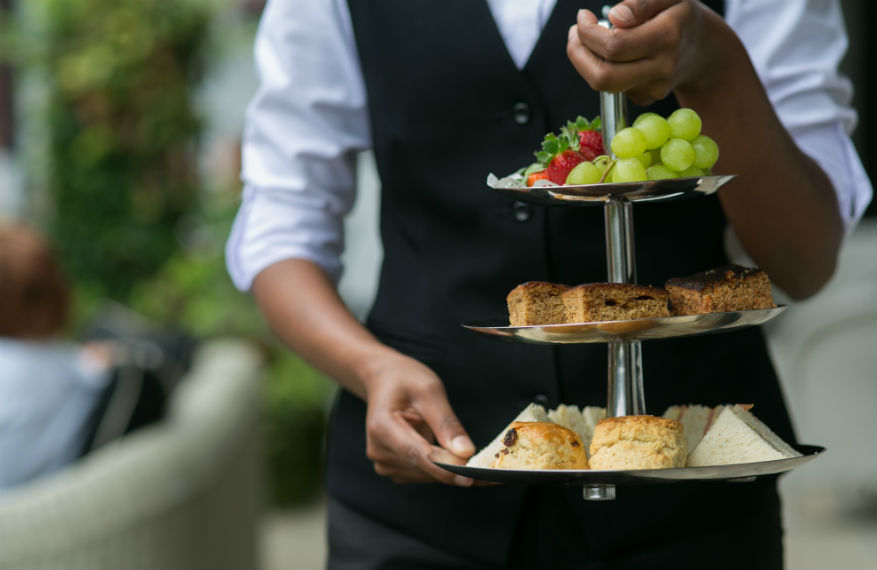
While you are there, indulge in a bit of British tradition yourself. Afternoon tea at The Lakeview Terrace is impossible to refuse: your choice of English tea, freshly made finger sandwiches, pretty cakes and pastries, warm scones with cream. And if you like, your very own strawberry jam made in a short, sweet class with The Lakehouse chef.

Skilled and friendly, Chef Mizuan makes your homemade strawberry jam lesson a breeze.
500g of fresh Highlands strawberries, ready to jam.
Jam making in progress.
Every day is occasion for English afternoon tea, at The Lakeview Terrace.
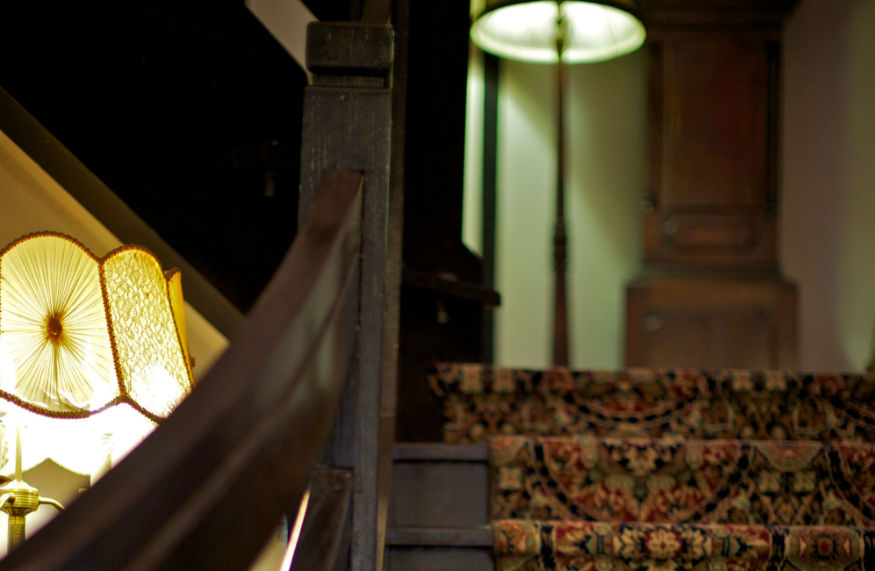
True to Tudor architecture, dark wood paneling takes you back to the old world.
Live like a queen, with every bite of British tradition.
A warm fire, or a chilled wine. How would you like to relax?

What’s Nearby in Batu Ferringhi Penang

Tourists who visit Penang will definitely head to George Town – the center of all that’s happening. Being inscribed as a UNESCO World Heritage Site in 2008, its heritage architecture, multicultural society and world-famous cuisine is what foodies would claim as gastronomic haven.
For those who want to opt for a quieter retreat away from the crowd, Batu Ferringhi, on the northeast coast of Penang, offers you that respite. This beachside area caters to families who are looking for a getaway from the hustle and bustle.

Not keen on water activities? There are other activities to keep you and your family entertained, all within 15 minutes’ drive from the Batu Ferringhi area.

Nature’s Classroom

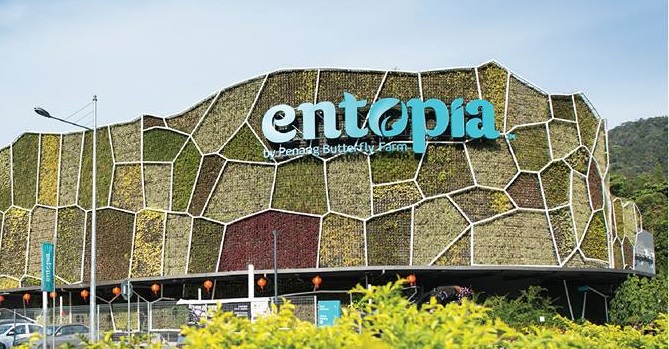
Nothing beats learning through play, free from the confines of the classroom. Entopia, Penang Butterfly Farm is a great place for all to spend a day learning about butterflies and insects. The first tropical butterfly exhibition in the world opened in the 1980s and it has reinvented itself as nature’s classroom and discovery hub. Far from just a farm with butterflies, Entopia has lots of interactive games and activities both indoors and outdoors.

Entopia

Picture credit: Source

If insects are not your thing, the Tropical Spice Garden also makes a great alternative to experience nature. Explore over 500 species of tropical plants and trees in the garden. You can engage a guide for a tour or walk at your own pace with an audio guide. The foodie in you can also opt for a hands-on cooking class. Learn new recipes and bring home a taste of Malaysian cuisine.

Adrenaline in Nature

If you’re looking for something that’s more adrenaline-charged, ESCAPE would be the place for you. There are many rides and games for various age groups, abilities, and energy levels. It’s definitely a place you can bring your family – young and old – to, all hosted in a natural environment.

Zipline between trees, take a leap of faith down a tower, or climb trees. If heights are not for you, slide downhill in a tubby tube or sit and dig in the soil. Put away your gadgets and digital devices and spend quality time together through some low tech, high fun activities.

For the beach bum in you, simply stay at Hard Rock Hotel Penang – Malaysia’s first Hard Rock Hotel. With the largest free-form pool, and many activities lined up through the day, you’ll be sure that you’re not going to be bored.