High on Coffee

Rare to the point of being possibly endangered, Liberica coffee has found a champion in My Liberica – a pioneer in Malaysia’s specialty coffee scene.

If you need your morning cuppa, you probably love your Robusta and Arabica coffee, but Liberica? Tucked away in a quiet corner of Johor, one coffee producer might just change your mind … and tastebuds.

After all, My Liberica made experts around the globe wake up and smell the Liberica coffee when it clinched third place at the World Barista Cup 2021, putting the bean and Malaysia on the world’s coffee map.


From growing the coffee bean


To processing and roasting them

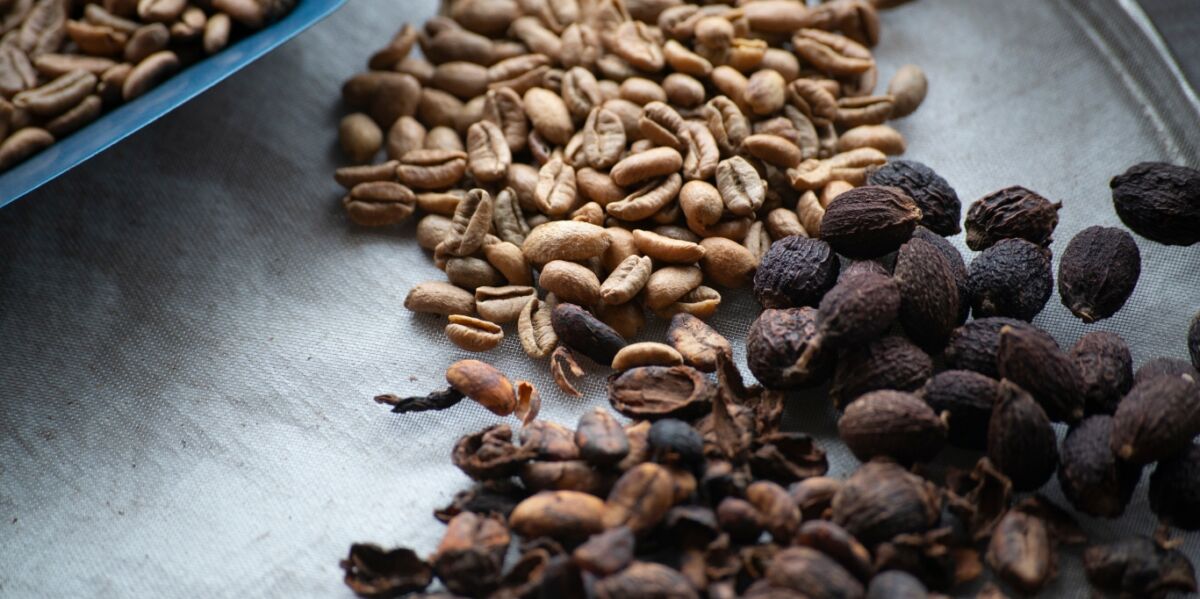
It was ray of hope for its founder, Jason Liew, after the business took a hit from the pandemic. Operating from seed to cup, My Liberica not only grows the beans but processes and roasts them too, allowing Jason to experiment and develop flavour profiles with notes like chocolate, liquorice and jackfruit – even crafting teas from coffee flowers and the skin of the coffee fruit.


Homegrown Liberica coffee that boasts of flavour profiles like chocolate, liquorice and jackfruit

Today, with other coffee producers wanting to learn his secrets, Jason is more than happy to share. “This way, others can build on what I do, I can learn from them and we can improve together.”


Jason Liew- The founder of My Liberica Coffee


My Liberica and The Boathouse Pulau Tioman have teamed up to give guests a taste of its aromatic brews as part of the resort’s quest to source and support local.


Heroes: Pulau Tioman

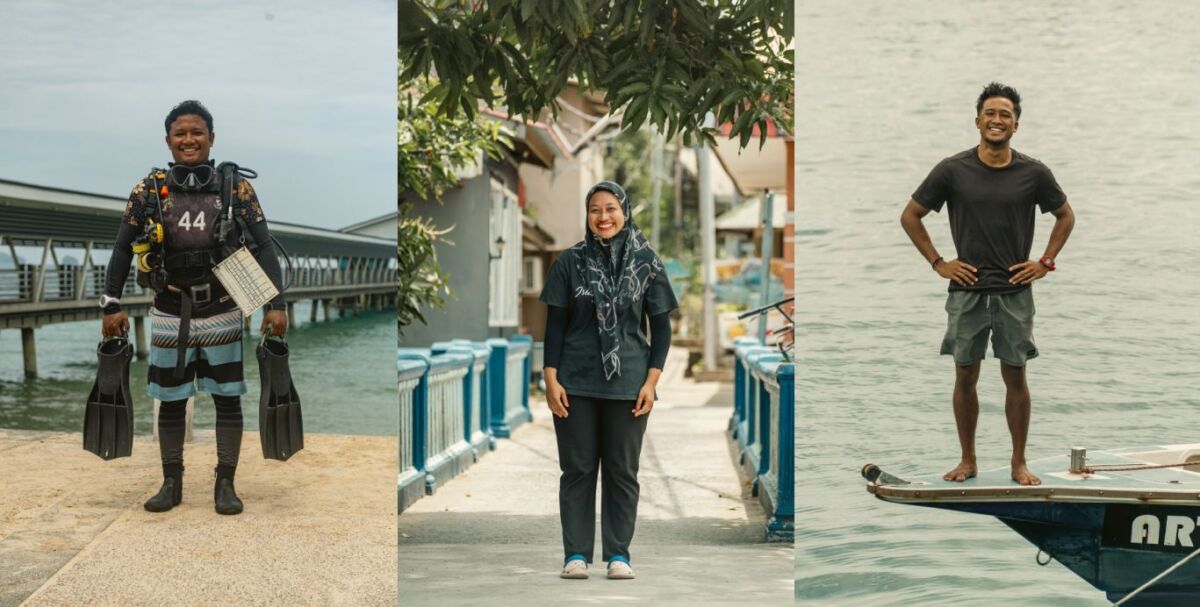
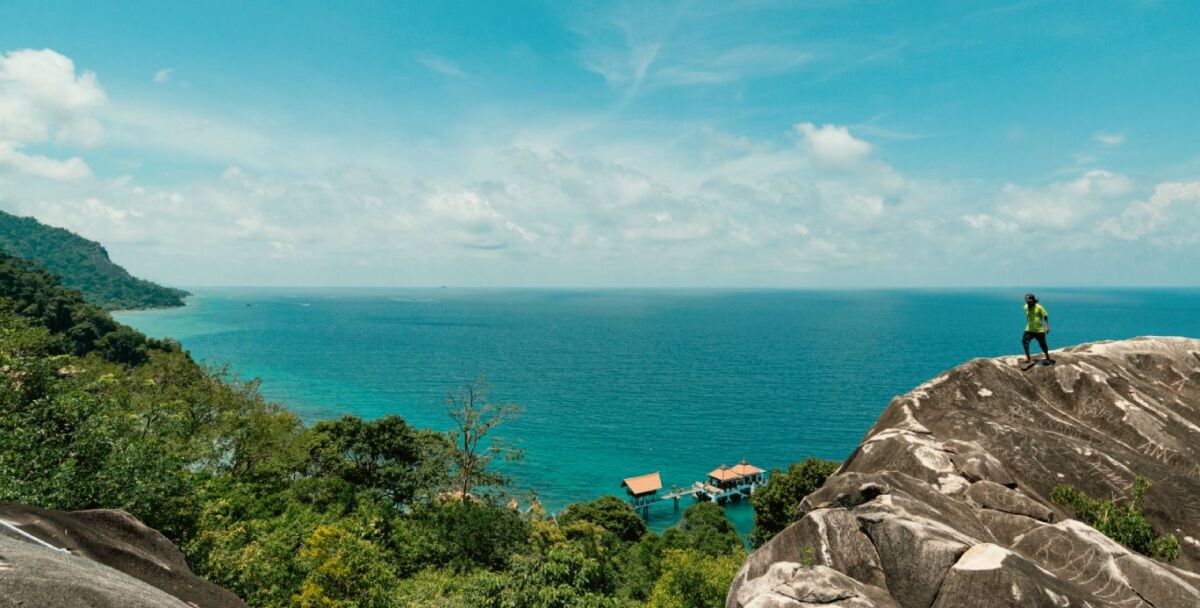
Pulau Tioman, a picturesque island off the east coast of Malaysia, is not just known for its stunning landscapes and crystal-clear waters. It is also home to a community of everyday heroes, individuals who quietly make a difference in their own unique ways. Through their perseverance, passion and dedication, these unsung heroes contribute to the beauty and sustainability of the island.

“On Pulau Tioman, if you pontang (skip) school, the kampung people will know about it before your teacher does.”

Muhammad Ammar Syukran Bin Mohd Kamaludin, 29
Member, Tioman Marine Conservation Group

Having grown up on Tioman, Ammar Syukran is appreciative of its community. Here, everyone knows everyone and looks out for each other. Many are even related by blood. As a child, if he did something naughty or dangerous, he would be scolded by any villager who caught him in the act, not just his parents.

“I like kampung life. If the locals like you, they will invite you to have a drink with them. That’s the culture here.”

Goh Chong Aik, 59
GM, Aguna Resort

Originally from Johor, Chong Aik moved to Pulau Tioman eight years ago to manage the resort. Most mornings, the affable resort manager can be found sweeping the grounds and doing maintenance work around the property. The rest of the day is often spent chatting with friends and checking in his guests who hail from around the globe.

“We saw two sea turtles. There was also a school of fish so big and dense that it looked like a wall!” 

Sun Yingjie, 53 and Lu Fengsheng, 59
Holidaymakers

Despite having just learnt how to snorkel a few days ago, Fengsheng and his wife, Yingjie, love it. Drawn by Tioman’s clear waters and abundance of marine life, the couple have gone snorkelling three days in a row and are still not tired of it. Having only seen marine animals on TV previously, they are now making the most of their time on the island.

“My father and uncle are boat captains. My grandfather was one too. It’s like my family tradition.”

Rayyadh Haiqal Bin Hairul Jamali, 25
Boat Captain

Born in Singapore but raised on Pulau Tioman, Haiqal enjoys nature—just like his Singaporean mother who moved to the island after getting married. Despite growing up in the city, she grew to love its culture and the warmth of its people. Haiqal, now a Malaysian citizen, finds joy in ferrying visitors around his beloved island.

“The people here are very friendly and welcoming. To me, Tioman is my home now.”

Siti Fatihah Binti Abdul Aziz, 31
Food Stall Assistant, DJT Corner

Growing up in a city in Kelantan, Fatihah hardly knew any of her neighbours. So, when she moved to Pulau Tioman to get married, she was surprised at how fast she made friends. All her new neighbours came to the wedding and were eager to befriend her and help her settle in. Now, she knows everyone in Kampung Genting.

“Diving in Tioman, you can explore corals, rocks and wrecks. In future, I will teach my students here.”

Dollar Lu, 29
Data Analyst

After spending two months in Kampung Paya in intense training, Dollar passed her dive instructor course on her first try. Despite having been to famous dive sites around Southeast Asia, the Chinese national who works in Singapore still says Pulau Tioman is her favourite place, thanks to its wide diversity of marine life and dive sites.

Sidetrack Pulau Tioman: Exploring Beyond the Sea

While its waters host popular spots for snorkelling and diving, Tioman itself has much to offer all who arrive at its shores.

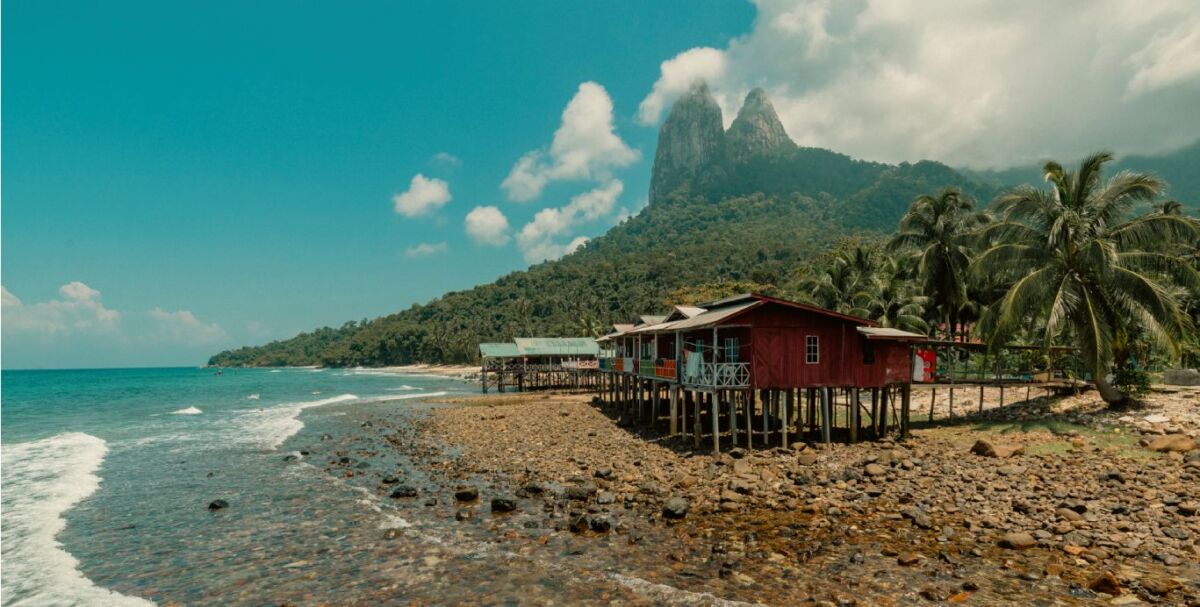
Dragon’s Horns

Towering over the surrounding jungle at a height of around 700 metres, Tioman’s Dragon’s Horns are two prominent spires that have become the island’s best-known landmark. Viewed from Kampung Mukut, it is clear how the granite monoliths got their name.

Among the tallest walls in Southeast Asia, they are well-known within the rock-climbing fraternity and continue to entice its more advanced members. Those eager to conquer the legendary Dragon will need to battle the unpredictable weather while lugging climbing gear, food and water. The slightly less adventurous, however, can opt for a three-hour gruelling hike to Base Camp through the dense rainforest.

Climbers and hikers commonly use a trail that begins from Kampung Mukut. Nestled in the shadows of the twin peaks that are individually known as Gunung Nenek Semukut and Gunung Batu Simau, the village is also near the Asah Waterfalls, with just a 90-minute trek on concrete paths and wooden stairs separating them.

Pulau Tulai

A secluded stretch of paradise not far from Tioman, Pulau Tulai is a haven for snorkellers and divers, with a myriad of options for enthusiasts to explore and observe marine life in pristine waters. Just a little way from the shoreline, corals teeming with fish reside in shallow depths, allowing its guests to get up close to the world below.

Bereft of resorts and with camping prohibited, the uninhabited island, which also goes by the name of Coral Island, boasts alabaster sands unspoiled by modern life. Visitors might also chance upon a colony of seagulls on the rocks just offshore.

Pulau Tulai is about 30 minutes by boat from Kampung Genting. Along the way, you will pass several popular snorkelling and diving spots including Renggis Island, Monkey Bay and Malang Rock—all of which house plenty of fish and maybe even the occasional sea turtle and reef shark.

Kampung Genting

The first stop on the ferry route from Mersing, Kampung Genting is a picturesque village with a laid-back vibe, tucked away on the narrow strip of land between a lush, green hill and golden sands. Near the jetty are a convenience store and a small cluster of food stalls serving local Malaysian fare.

Only a single concrete path runs through the village, connecting its charming collection of resorts and homes. Visitors can easily explore the village on foot in just 30 minutes, where they might encounter monitor lizards and macaque monkeys, given its proximity to the rainforest.

While its blue waters are perfect for snorkelling and diving, its hilly terrain make for an interesting hiking experience. One such trail leads to Kampung Paya. The hour-long hike is one that the locals sometimes have to take during the monsoon season, should the boats be unable to operate.

Asah Waterfall

Of all the waterfalls in Tioman, Asah Waterfall is its most famous and highest, and arguably its most beautiful too. Located 30 minutes from the jetty at Kampung Asah, the multi-tiered falls lies at the end of a comfortable trek uphill into the rainforest on a firm wooden stairway with a rest stop along the way, where visitors can sit and enjoy the sounds of the jungle.

Best viewed during the rainy season, Asah greets its guests with gushing waters that cascade down granite boulders and pool at their base before making their way downstream. Its pool offers a refreshing dip and is a welcome respite from the heat and humidity.

About an hour’s walk from the jetty is Kampung Mukut, which has managed to retain its rural island charm. Wandering around, visitors can get a glimpse of life on Tioman before it became a popular tourist spot.

Kampung Paya

Just a little away from Kampung Genting lies Kampung Paya. The village is a small one with a beach that extends slightly over half a kilometre. Despite its size, it is popular with holidaymakers and divers, and boasts several restaurants and cafes offering a diverse spread of Asian, Western and local cuisine.

Kampung Paya also packs a punch in the activity department. Apart from snorkelling, it is near popular dive sites including Renggis Island and Labas Island. Visitors also have the option of staying dry and exploring the surrounding waters on a kayak.

On land, thrill seekers can hop on ATVs and get their adrenaline pumping as they go off road on jungle trails. The village is also the start of various trails that will excite novice and hardcore hikers alike, who have the choice of trekking to Kampung Genting, Kampung Tekek and even further afield to Kampung Juara.

Mother Willow Tree

Deep within the dense jungle around Kampung Paya stands the 300-year-old Mother Willow. Rising 10 metres into the canopy, the impressive strangler fig tree is supported by a massive tangle of roots that overwhelm the giant boulder beneath it, hiding it almost completely from view while creating a stunning root wall.

Mother Willow is a 30-minute hike from the outskirts of Kampung Paya. Visitors will pass one of the village’s ATV rental kiosks on the way there and back, offering a fun, alternative way to explore the rainforest after paying Mother Willow a visit.

Those who journey to her side can also make a detour to the Rock Falls nearby. The clear water streaming off the rocks exude tranquillity and a zen-like calm, while the rock pool below is an ideal spot to dip your feet and cool off in the tropical heat.

Green Island Dreaming

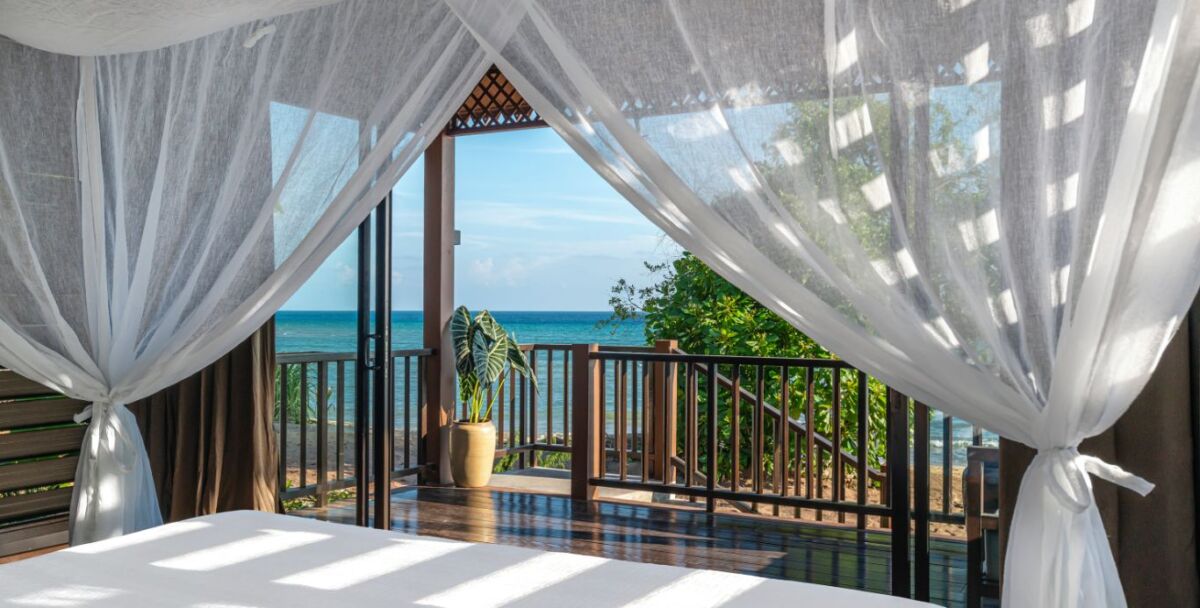
Opening its doors in Q2 2024, The Boathouse Pulau Tioman is a 31-room beachfront sanctuary that immerses guests in the tranquillity of kampung life. Resort Manager Felix Yeo shares his plans for the boutique resort and his hopes for its future.

On location at Kampung Nipah, workers are busy erecting a collection of bungalows as I wait to interview Felix Yeo. Moments later, the General Manager of Concorde Hotel Shah Alam, who is also overseeing The Boathouse Pulau Tioman, steps into the site office after checking on the resort’s progress. Wiping the sweat from his brow, he places a metal flask on the table and smiles when he sees I’ve brought a refillable bottle too. It is obvious sustainability is a big deal to him.

“It has to be,” the master diver insists, when I mention it. “Tioman is a wildlife reserve and marine park. As the island’s newest resident, we must join them in preserving its natural heritage and ensure that the people after us have a future.”

When I press him for details, Felix is clearly walking the talk. The Boathouse Pulau Tioman’s wooden structures and furniture are all made from locally sourced rubber wood and crafted at a Malaysian furniture workshop. He even has plans for an organic farm and herb garden, which will be fertilised with composted food waste and woodchips from fallen tree branches.

At his insistence, no single-use plastic bottles will be used. Instead, glass bottles containing filtered water from boreholes and a nearby stream will be placed in the guests’ rooms.

But what if they’re not in their rooms?

He’s pleased I asked. Taking a sip from his flask, he explains, “We will have water fountains for guests to fill up their own bottles. What’s more, these fountains will be placed against murals made from recycled post-consumer plastic tiles that draw attention to the plastic pollution crisis. These are thanks to our collaboration with Ayer Ayer.”

Such community partnerships are a pillar in advancing The Boathouse Pulau Tioman’s ecological goals and raising awareness of issues, Felix says. Another partner is Reef Check Malaysia with whom the resort will remove ghost nets and carry out reef cleaning. “Simply put, we can do more together.”

At this point, a worker approaches the office. He looks uncertain about interrupting us but Felix waves him in with an easy smile. The man quickly retrieves an item from a nearby shelf before leaving. Watching his retreat, Felix switches track. “You know, Tioman is graciously hosting us, so it is only right that we support the community. We will be hiring local people, including Orang Asli from Rompin. The plan is for me to be the only non-Malaysian staff at The Boathouse Pulau Tioman.”

As Felix elaborates, I realise that this support extends to introducing guests to Malaysian culture and heritage —from local cuisine in the daily menu, to cooking lessons with time-honoured recipes, to traditional games played in villages.

“At the end of the day, we want to create memories for our guests. We have amazing sunsets and crystal-clear waters, but it is the personalised touch that will give them the experience they want. As a boutique resort, we have the luxury of extending thoughtful gestures while allowing our guests to enjoy island life in a casual, relaxed environment.”


Felix Yeo checking on the progress of The Boathouse Pulau Tioman

As for now, Felix is hard at work with his team to prepare for the resort’s opening. “We can’t wait to welcome our guests in person.”


Main image: Looking out to sea from one of the beachfront bungalows

Chasing Rays

Experience Tioman through the eyes of father and marine biologist Alvin Chelliah, as he shares his thoughts of living on the sun-kissed island he now calls home.

“Go on, Ray. Touch it,” I urge. My five-year-old son peers suspiciously at the tiny mudskipper perched on my outstretched hand. After some coaxing from me and mum, Sue, he lets me place it on his palm, just for a couple of seconds before quickly turning it loose. I am surprised. After all, Ray will pick up snakes in a heartbeat.


Alvin introducing Ray to a mudskipper


A mudskipper basking in the sun on Ray’s hand

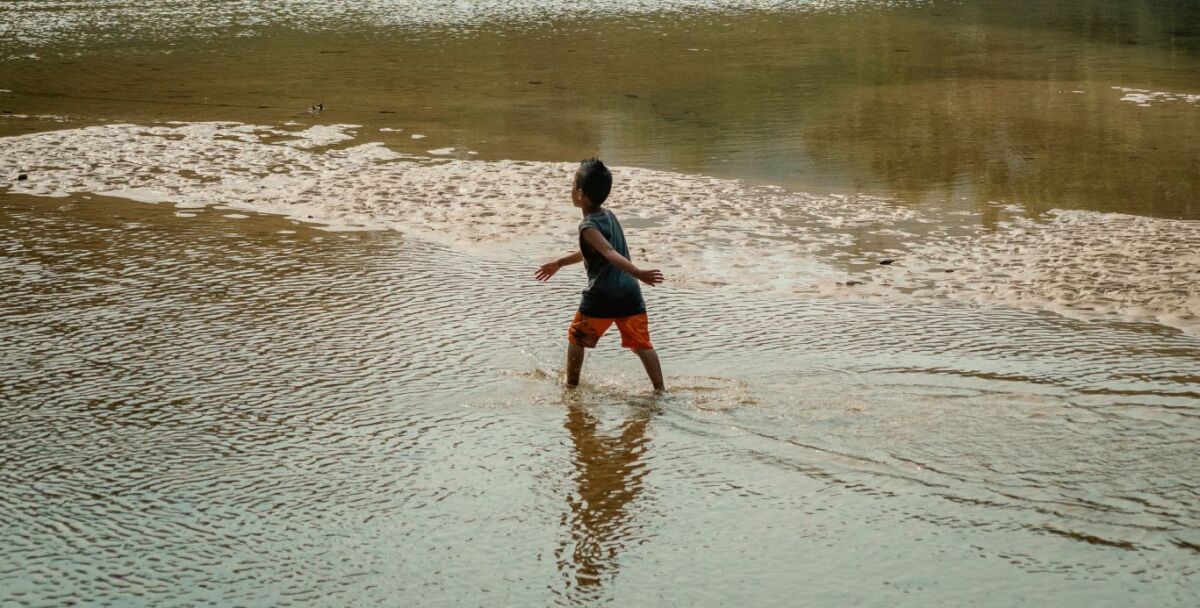
Seeing him explore the shallow river at Kampung Juara as sunlight streams through the surrounding trees, I am grateful. Growing up in the town of Kajang, Selangor in less-hurried times, I caught fish in mining pools and cycled through rubber plantations. I am glad Ray can play outdoors under the watchful eye of the Tioman community.


Alvin, Sue and Ray checking out the mangroves lining the river


Alvin’s son, Ray, exploring the river at Kampung Juara

I first moved to the island 10 years ago when I was still single on a mission for Reef Check Malaysia. Since then, Tioman has changed me for the better, and I’d like to think I’ve made a difference too.

JANUARY, 2014: KAMPUNG TEKEK, PULAU TIOMAN

The sun’s rays hit me the moment I step off the boat onto Tioman for the first time as its long-term resident. The island feels like it is welcoming me home. For the last two years, I have been making monthly trips to Tioman for Reef Check Malaysia and fell in love with the island. So, when they needed someone here full time, I jumped at the chance.

My fascination with coral reefs started when I began diving. I was just 15 then, but they intrigued me. I took up an undergraduate degree and then a masters in marine science. During this time, I volunteered with Reef Check Malaysia, which eventually led to a permanent position at the NGO to monitor coral reefs across the peninsula.

Having travelled to several islands around Malaysia, Tioman has a special place in my heart. It has some of the healthiest reefs and hosts a mangrove forest as well as a virgin rainforest. In fact, around 60% of the island is a wildlife reserve. But more than its natural beauty, I am here for its people. Seriously, they are some of the friendliest people I’ve met. They are very contented with life and always willing to make new friends.

It is for this reason that I am adamant about not only preserving Tioman’s marine environment but getting the local community passionate about conservation to safeguard their future. But it is going to take time.

Sue will be moving here too after we get married next year. As a fellow diver and colleague, I’m sure she will love it as much as I do.

MARCH, 2015: KAMPUNG TEKEK, PULAU TIOMAN

We did it. We got married. Twice, actually. The main event was held in Kajang during the monsoon season. But as many of our Tioman friends couldn’t make it, they threw us another wedding when we got back to the island. It was amazing. We tucked into home-cooked traditional dishes and a wedding cake made from nasi pulut1 as the sun dipped into the sea behind us. There was live music and we danced the night away. It is a moment I will always remember.

Meanwhile, our work is starting to garner interest among the islanders. Since I arrived last year, we have been busy teaching and running programmes in schools while working with dive shops and resorts to raise awareness among locals and tourists. I’m not here to change anyone. I just show them different ways of doing things and the pros and cons of each approach. The rest is up to them.

During the year, we set up the Tioman Marine Conservation Group (TMCG) so that the locals can work with the Department of Marine Parks Malaysia (DMPM) to help manage threats to the marine park. TMCG has just five members now, but we’re confident of recruiting others. Most of the islanders here are happy to listen to us but are hesitant to get involved. Hopefully this will change in time.


Alvin at Ali’s Waterfall, Kampung Juara

MARCH, 2018: CHERAS, KUALA LUMPUR

Sue and I just became parents. We travelled back to her hometown to welcome Ray into the world. Watching him sleep peacefully next to his mum, I realise his arrival has given new meaning to my work.

Back at Tioman, our efforts are paying off. The community needed some time to truly understand what we wanted to achieve before they joined in. Our school children are sharing our message with their families and word is spreading. Now, people are becoming curious to know more and do more.

It’s been four years since I arrived, but I still love it. Some days, we dive down to check on the reefs, remove ghost nets and replant coral reefs, among other conservation work. Other times, I can be found teaching at local schools, training with TMCG or working with resorts and dive shops on our sustainable tourism programme. We also get emergency calls for things like oil spills or stranded marine life.


A ghost net being removed by TMCG members and Reef Check Malaysia, which partners resorts like The Boathouse Pulau Tioman to maintain the reefs

Life on Tioman is anything but mundane.

PRESENT DAY: KAMPUNG JUARA, PULAU TIOMAN

I think Reef Check Malaysia isn’t going to be needed on Tioman much longer. The local community have really stepped up and play important roles in keeping the reefs around the island healthy. By now, we’ve trained around 80 people through TMCG. Many of them can do almost everything that Reef Check Malaysia is doing here. Soon enough, they’ll be running things on the island on their own. The day that happens is the day I accomplish what I came here to do.


TMCG members preparing to inspect the reef


Divers from TMCG busy maintaining the reef

The scrapping of the proposed airport is an example of what this community can achieve. The project would have killed thousands of marine life, destroyed flora and fauna and taken out the local economy. We banded together as an island to stop it and I was relieved when the project was rejected. Sure, I stepped on some toes but it was a calculated risk. I consider myself a local now. To me and my family, Tioman is home. So yes, I would do it again.

Now, we’re working on getting Tioman certified as an International Union for Conservation of Nature (IUCN) Green List Site. Ultimately, we want the island’s natural resources to be managed sustainably, so that people and nature can thrive side by side for the generations to come.


Alvin, Sue and Ray on the island they call home

Why am I taking this personally? That little guy. Ray is now following a hermit crab as it scurries away, sunlight glinting off the waters behind him. Thanks to him, I see the world through new eyes every day. He loves all sorts of creatures, millipedes, grasshoppers, snakes…and maybe one day mudskippers too.


1 Nasi Pulut — Glutinous rice


Reef Check Malaysia partners organisations and individuals to promote the conservation and sustainable management of coral reefs throughout the Peninsula. The NGO will be teaming up with The Boathouse Pulau Tioman to maintain the reefs and take care of any ghost nets in the waters surrounding Kampung Nipah.

Discover more about their work at www.reefcheck.org.my .
No Road to Nipah

Photographer Ernest Goh takes the path less travelled through Tioman’s rainforest in search of untamed beauty and makes some fascinating discoveries.

The earthy scent of loam. The steady crunch of dry leaves underfoot. I was hiking from Kampung Genting to Kampung Nipah on a trail the locals had promised was a challenging one. On their advice, I had engaged a guide and put on a good pair of hiking shoes. My guide, Boy, however, led the way in flip flops.

Walking in single file, we followed the power lines that snaked through the rainforest, climbing over rocks and mushroom-covered logs while keeping an eye out for the narrow path that sometimes ducked out of sight. We walked in silence, enjoying the mid-morning calm that was broken only by the distant chirping of birds and insects.

It wasn’t long before we reached a series of rickety wooden bridges. “Must be careful. Some of the wood not good,” came the friendly warning. Taking care to walk down the centre, we were joined by throngs of ants out on their daily foraging trip.

Then in a blink-and-miss-it moment, I glimpsed sparkling sand and blue waters in a small clearing through the trees. We left the trail and stepped into the sunlight that warmed the sand and danced with the waves. This was what I had come to Tioman for—quiet, untouched beaches that capture the imagination. I stood there for a moment to take it all in.

“Sometimes, turtles come and lay eggs,” Boy remarked, drawing me back to reality. I looked around but, of course, there were none that day.

Continuing down the trail, we trudged passed the remnants of an old resort. I was told that it was the workers there who had built the bridges. We crossed the last of the wooden structures, which led to another pristine beach protected by rocks. The heat and humidity persuaded me to remove my shoes and wade in. It was here that I chanced upon something I didn’t expect. Half buried in the sand were the white shells of giant clams. An interesting find, given how rare they are.

Leaving the beach, I realised that the easiest part of the hike was over. So far, we had been following the coastline. Now, we made a steep upward climb over tree roots and moss-covered boulders with the help of guide ropes—and sometimes without. The trail was littered with leaves upon leaves which made getting a firm footing that much harder. It had just rained early that morning but thanks to Boy’s suggestion to delay our departure, the ground was mostly dry.


Fungi growing on damp wood


Ants out on their daily quest to feed the colony

“Sikit lagi1,” he encouraged. We had been climbing for 40 minutes. Sweat was running off my chin and soaking my shirt. The camera that was slung around my shoulder had also taken a few knocks. I looked up to see a giant boulder looming ahead of me. Batu Permata. The rock outcrop marked the three-quarter point of my journey and offers scenic views of the surrounding area. One last push and I was there at its base.

My chest heaving, I stopped to catch my breath on a rock and finished what was left of my water. Boy had thoughtfully packed an extra bottle just in case and wordlessly handed it to me with a knowing smile.


Standing in the shadows of Batu Permata


Scaling new heights at Batu Permata


Inscription at the base of the ladder

Despite its sheer sides, scaling Batu Permata itself was easy enough, thanks to sturdy metal ladders that had been anchored securely to the rock. It wasn’t too long ago that these were wooden stairs with little to hold onto, I learnt.

Once I reached the top, whatever fatigue I had was displaced by the view. Deep blue waters stretched into the horizon. Poking out from the beach beneath us was a jetty which belonged to a now-abandoned resort. It was a sight I had worked hard for. Taking off my shirt and laying it on a rock to dry, I pulled out my camera to capture the moment.


The bay of Kampung Nipah from a distance

Meanwhile, Boy had shimmied down and up another set of ladders and was already perched on the edge of the rock outcrop. He beckoned me to join him and I did. Sitting there, soaking in a scene that few of Tioman’s visitors got to experience or even knew about, I felt like I got to know the island a little more.


Boy taking in the view from the top of Batu Permata

I could have sat there forever, but a familiar rumbling told me it was almost time for lunch. So, I put my semi-dry shirt back on and made my way down.

From there, it was an easy trek to the jungle behind a stretch of beach the locals call Pasir Cina, where the abandoned resort stood peeking through the trees. The sight awakened the explorer in me. Besides, after having endured the tropical jungle’s heat and its resident mosquitoes for over an hour, the beach was a welcome relief and I gladly took the detour.

Despite some signs of wear, the resort’s structures and walkways were sturdy, and we quickly made our way onto white sands. There, the turquoise waters devoid of people were a siren call. Pulling off my shirt, I dove in as Boy looked on in amusement. As I cooled off, I saw many more giant clam shells, which speak of the quality of Tioman’s waters.


A giant clam shell on the beach

Refreshed from my swim, I was ready to make the final push to Kampung Nipah. “Only 30 minutes more,” promised my guide.

In truth, Nipah’s beach was just around the corner by sea. But by land, this meant a steep ascent into the jungle once more and clambering over boulders which, by now, had become a familiar friend. At certain points, the trail disappeared completely and Boy had to improvise our way forward.

Eventually, we reached the tipping point. “All downhill now.” He wasn’t kidding. The descent was steep. We could even see the beach through the trees from our height. Using the guide ropes, I made my way down, while Boy bounded from tree root to rock with the ease of a mountain goat.

Before long, I came to the large boulder that stood between me and Kampung Nipah. One big leap onto soft white sand and I was there.

A boat was patiently waiting for us just offshore. But as we headed towards it, the trail had one last gift for me. Where a small freshwater stream meets the sea, I spied a little Snakehead Gudgeon going about its business in the clean, clear water. It was a welcoming sight and a promising one too—something that I hope Tioman will be able to preserve for the years to come.


A Snakehead Gudgeon enjoying the clear waters of Tioman


1Sikit lagi — Just a bit more

Far from Ordinary

Best known as being a gateway to its surrounding islands, Mersing is a destination in itself—charming visitors with a laid-back vibe that offers respite from the modern world.

After hours of travelling through small towns and along winding roads lined with palm oil plantations, visitors will take their first steps into Mersing. With its convenient spot along the South China Sea at the mouth of the Mersing River, the idyllic seaside town in southeast Malaysia is a natural springboard for trips to offshore islands, the most popular of which is Pulau Tioman.

Often, divers and families alike will brave drives in the wee hours of the morning to arrive just in time to hop onto awaiting ferries. But in truth, Mersing has more to offer and is a perfect pit stop for weary travellers to recharge after their journey.

The quiet town was once a base for the British Royal Army during World War II as British-led Allied forces tried unsuccessfully to fend off the invading Japanese army, in what became known as the Battle of Endau.

Today, little remains of its turbulent past. Despite being a developing city centre, Mersing is still very much a fishing village at heart. Here, the old and new collide as quaint attap houses with their iconic zinc roofs stand juxtaposed against concrete structures housing modern amenities and fast-food chains. True to its fishing heritage, fresh seafood is the town’s pride and joy. Ask around and locals will readily direct you to famed restaurants serving up Chinese, Cantonese or Malaysian fare.


Traditional wooden homes with zinc roofs


Boats moored on the Mersing River

Dotting Mersing are many go-to attractions. From a legendary mosque and ornate historic temples that date back around 100 years, to forest reserves and beaches that promise to thrill nature lovers and water sports enthusiasts, the small coastal town presents its guests with an eclectic mix of experiences, allowing them to escape from the chaos of city life.


Cobbler mending shoes by hand near the fresh food market, Pasar Segar Bandar Mersing

But go deeper and you’ll find Mersing town has more to offer. And the best way to explore it is on foot. Traversing its streets and pathways, you can uncover traditional shops and local delicacies only its residents know about. Turn a corner and you could chance upon a bustling local market or find yourself watching boats bobbing in the Mersing River. Don’t discount venturing to the outskirts of the town centre or wandering down quiet lanes as some of its well-loved secrets reside in the most unexpected places.


Skewers of meat being grilled to perfection at Satey Teluk Iskandar


Mr Kan Keng Sam, owner of Mersing Gu Zao Wei, and his wife sell traditional snacks and breakfast items from their home


One of the many well-loved traditional snacks from Mersing Gu Zao Wei

So, if you’re headed to Tioman, don’t be in a rush to jump on the ferry. Take a day or two to stretch your legs and have a look around. Who knows? Mersing might just surprise you.


Satey Teluk Iskandar
Kampung Paya Tinggal
86800 Mersing, Johor, Malaysia
Tel: +60 19-767 0853

Mersing Gu Zao Wei
7 Jalan Jeti, Mersing Kechil 86800 Mersing, Johor, Malaysia
Tel: +60 18-226 2834

Go on a Digital Detox at The Lakehouse Cameron Highlands

Taking a break and travelling is one way that you can unplug and leave your devices aside.

In this age of technology with the pressure of constant connection be it on your computer or mobile device, the inability to unplug becomes unconscious as we find ourselves frequently checking our mobile, jumping to respond to any pings and notifications that pop up.

Take a respite and find relief by consciously unplugging and taking a break from technology, more specifically not using electronic devices or certain media for a period of time. The benefits of digital detox will help us to gain meaningful social interactions and have better control of our time and focus.

While it’s not possible to do it cold turkey, it is always possible to start small. Create a goal and commit to it (at least 2 weeks for the new habit to kick in), and get support from family who will serve as a reminder. You can begin by scheduling time away from your screen like dinner time with family, turning off your phone at specific times of the day like setting it to airplane mode after 10 pm to not be distracted by notifications.

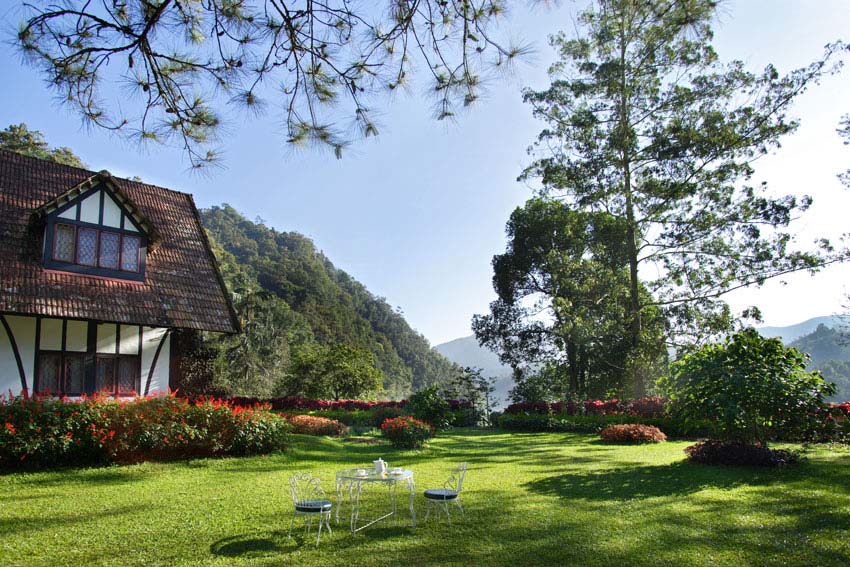
English Tudor-style boutique hotel The Lakehouse Cameron Highlands, located up in the highlands in the state of Pahang, Malaysia, is a place that lets you immerse yourself in nature, allowing you to go on that much-needed digital detox. Here are some things you can do, as you mindfully put away your devices.

Spend time on the garden grounds of the hotel.

Around the garden grounds are spaces for you to sit, and simply enjoy the crisp cool air of the highlands. Take a walk around and enjoy the flowers and greenery around you. The early morning air is cool and quiet and makes a good time for meditation or even a morning yoga session.

Find spaces around the lush garden grounds to spend time away from your devices.


The garden has spaces for you to sit, chill and be in the now. 📷 @hee_ong67 / Instagram


Explore the gardens and find little interesting spaces like this birdhouse.

Enjoy nature in its glory and go on a hike.

Right behind the hotel in its own backyard, there is an hour-long trail for hotel guests to trek. Let by the hotel team’s guide, find yourself in the thick of things as you navigate the terrain, and learn about the fauna (and occasional animals or their prints) that reside in there.

Go on a hike with our resident guides through a trail first explored and carved out by the hotel’s retired gardener Uncle Rajah.

Indulge in reading a book.

Pick up a new book and spend the day reading away outdoors in one of the spaces in the garden. Alternatively, enjoy quiet time as you tuck yourself into the armchair to read. If you prefer an indoor space within the confines of the hotel, head down to the fireplace by the bar, and sip on a cocktail or two while you’re there.

The fireplace at the Highlander Lounge is a working fireplace that is lited up every evening.

Soak your stresses away in the bath.

With every bathroom in the Lakehouse equipped with a bathtub, pamper yourself with a relaxing warm soak in the tub with bath salts that the hotel prepares. You can also choose to bring along your favourite scented bath salt or bath bomb and indulge.

If you are planning on a digital detox, why not plan it together with a holiday and get away from your usual surroundings, make a conscious decision to be in the now, and enjoy the company of people around you.

You’ll find many spots to sit and indulge in the beauty that nature brings at The Lakehouse Cameron Highlands. 📷 @megchinmy / Instagram

Wellness from the Heart

Satkara – meaning with devotion, sincerity, respect, reverence, positive attitude, and right action – derived from the Sanskrit language, embodies the values of Satkara Spa at Casa del Mar Langkawi.

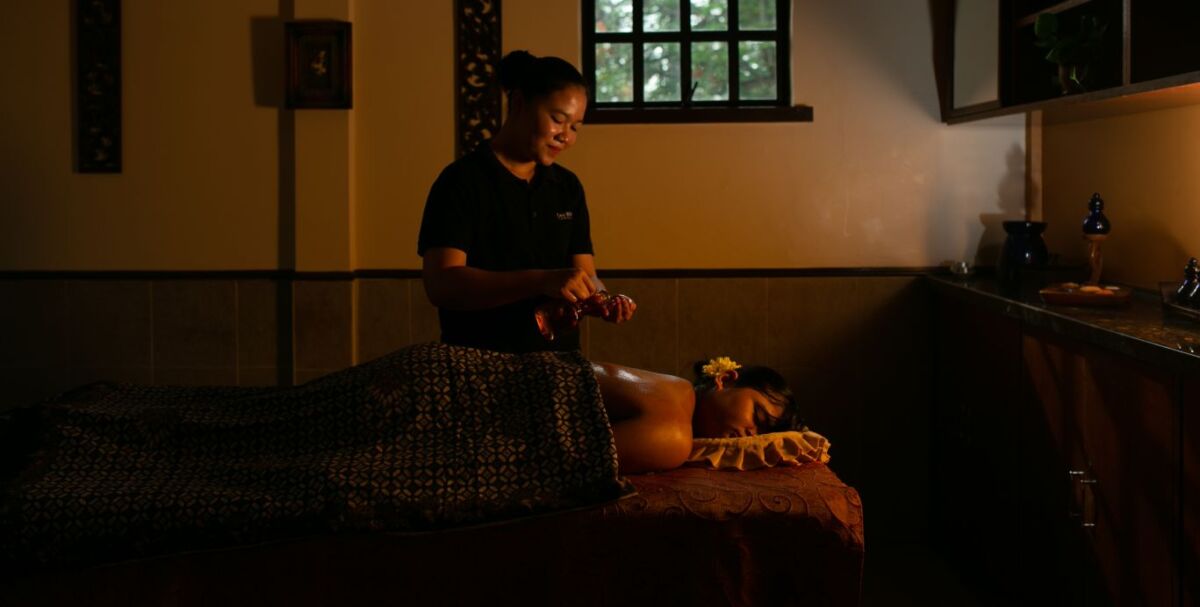
Dedicated to offering an authentic wellness experience, they focus on offering a treatment experience that is not intimidating, yet provides their guests with a unique level of comfort and privacy. A sanctum in which one can feel as relaxed, safe, and uninhibited as they would in their own home.

As I sat and spoke with Rajes, Spa Manager at Satkara Spa, I begin to understand why guests keep returning to this Home by the Sea in Langkawi.

Rajes, Spa Manager at Casa del Mar Langkawi

When did you join Casa del Mar Langkawi as Spa Manger?

R: I used to run my own wellness beauty centre in Kuala Lumpur, closed it down, moved to Langkawi, and it’s been 21 years with the hotel since the day Casa del Mar started.

What do you love most about working at Satkara Spa?

R: When the hotel first started, no one knew how to run or manage a spa. I’m very glad to be part of the team to start the spa; I was entrusted by the management to manage and run this place. I was very happy that I can use my knowledge to create natural products using herbs and fruits that are gentle to our skin.

Over the years, when our guests visit the spa, they gave us good reviews and return for more treatments, it gives me a lot of joy and pride.

We understand that the body scrubs at Satkara Spa are not bought but are specially made with your own formula. What inspired you to do that, and why?

R: I did a course in India where we learned about plant-based treatments, using raw and natural ingredients that are simple and fresh.

I believe natural things are better. Our guests are informed about the ingredients that we use in their treatment and if they are allergic to a certain ingredient like almond oil, we can use natural olive oil instead. That is something we will not be able to do if using commercially bottled products.

Can you share some of the formulated scrubs that are used only at Satkara Spa?

R: We have our signature treatment – Soul of Casa del Mar – a healing blend of turmeric, tamarind, sesame seeds, and honey to exfoliate and nourish the skin.

There is also the Tropical Mango and Coconut polish that combines the aromatic mango and shredded coconut to gently buff away dead skin cells, another favourite of our guests, among other treatments.

We use orange peel for our foot soak, instead of flowers like most other spas, this is unique to us. The thin peels are hand-cut to retain only the top layer of the orange peel, as this gives off a nice citrus smell and the natural oils of the peel are released in the warm foot bath.

Natural ingredients that go into the Soul of Casa del Mar scrub.

Which is a treatment that you will recommend all first-timers at Satkara Spa to try?

R: They should definitely try our Signature massage. This is a 90-minute massage that combines long flowing strokes and deep tissue massage that will help re-energise the body. If you are looking for more, then try our Soul of Casa del Mar. Let our therapists help you with exfoliation, a massage of your choice, and a nice bath to complete your treatment. These two are also very popular amongst our guests.

What are the most challenging and rewarding parts of your job?

R: I think a challenging part is we are a small spa. We’ve built a good reputation that we do get walk-ins but we have to turn them away because we are a small team. Another challenging time was during the travel restrictions due to Covid-19, we could only rely on the local residents for business and it was not easy.

But the rewarding part of the job to me is when our guests are happy, they go back and tell others about us. It’s always nice to hear them tell us “we were recommended because we heard such good feedback” because it means we did something right. Even now with travel restrictions lifted, we still get some of our local Langkawians coming back.

Finally, share with us something that you enjoy outside of your Spa Manager role.

R: I like baking a lot. It’s my way of relaxing and destressing after a day at work. I’ve baked and cooked for the colleagues at the hotel, from birthday cakes to curry puffs. Resin jewellery is another hobby that I enjoy. It’s a way for me to be creative, and I make them as gifts. I’ve given them away to many guests over the years and now they have become my friends.

I came to Langkawi looking for a job and I found my family here at Casa del Mar Langkawi. That sense of belonging is something that I feel strongly for. Even our guests who come back year after year have become our family too. We keep in touch over text messages and video calls, it’s very nice. That is why I didn’t leave even after 21 years.

Orange peel foot soak at the start of your treatment.

That feeling of familiarity, trust, and joy as if coming back to visit family and friends; the same exuded by the team transcends beyond a job, right down to the heart. The heart and soul to deliver passion in what they do. All these, done without pretension, offering personalised and heartfelt service in an environment of comfort and ease, is truly wellness from the heart.

Stunning Peaks – Hiking Langkawi’s Highest Mountains

Langkawi is a popular beach holiday destination in Malaysia, consisting of 99 islands, there is no shortage of picturesque islands, surreal bays, and breathtaking beaches. But not known to many, Langkawi’s lush rainforest is one of the oldest in Malaysia thus this makes it a great destination for hiking and trekking.

The island is covered with condensed rainforests, particularly along the slopes of its two tallest mountains, Gunung Raya and Mount Mat Cincang.

Gunung Raya


📸: @faiesz/ Instagram

Despite being Langkawi’s tallest mountain, Gunung Raya is suitable for beginners. The Gunung Raya Reserve forest covers an area of nearly 5,000 hectares.

To reach the summit of Gunung Raya, you will pass through the dense rainforest by climbing the staircase from the foothill. This staircase is known as Tangga Helang Seribu Kenangan, or Thousand Memories Eagle Stairs which consists of 4,287 steps (about 3.1KM) and some of the steps are quite steep. On average, it takes about 2 hours and 15 mins to reach the summit at a slow pace.

📷 : @zuriffahomar / Instagram

Although you can hike this trail on your own but to spot and understand various flora and fauna of the rainforest, you can hire a local guide. Gunung Raya Reserve Forest is home to dusky leaf monkeys, giant squirrels, the Great Hornbills, white belly sea eagles, and more.

With an altitude of 881 meters, you will be rewarded with a breathtaking view of the island and magnificent sunrise or sunset at the summit of Gunung Raya.

📷: @zuriffahomar / Instagram

Tips:
Bring along a water bottle and some snacks. There are no stores along the trail. If you want to return at night, be aware that it will be entirely dark on both the road and the stairs.

Gunung Mat Cincang

As Langkawi’s second-highest mountain, Gunung Mat Cincang offers a spectacular 360-degree view of the island. But as compared to Gunung Raya, this Gunung Mat Cincang is more challenging to hike. After a certain point, the trail becomes steep and is suitable for experienced hikers who are physically fit.

📷: @Elainanana/ Instagram

The ascent to Gunung Mat Cincang is interesting because you will experience the shift between varied landscapes including spectacular rock formations, rainforests with enormous trees at the base of the mountain, and small trees, plants, and orchids at the summit.

The expedition begins at the base of the Telaga Tujuh (seven wells) waterfall. From the base of the waterfalls, there are approximately 638 stairs to climb, which can be quite tiring. Once you reach the waterfalls, you will be able to see seven pools. Take a rest and enjoy the breathtaking views of Burau Bay and Pantai Kok.

📷:@ushadthini_nair/ Instagram

After passing the waterfalls, there will be a marker for Trail 701. The walking distance to the summit is around 980 meters, and it takes approximately three hours to reach the summit. The first part of the trail is simple; you won’t get lost if you follow the trail.

You will reach a spot where a sign indicates the trail ahead will be difficult as it will be narrow and steep.

📷: @azian.a/ Instagram

As the trail gets steeper, the rope support on the side of the trail will come in handy. After you have crossed the wall of rocks, you will observe that the dense forest is gradually replaced by bushes, smaller trees, and orchids.

Eventually, if you continue hiking, you will be above the tree line, and the summit will be right around the bend.

At 701 meters above sea level, you will be able to view Langkawi’s breathtaking landscape, the cable car traffic, and Pantai Kok.

📷: @mmby.712 / Instagram
📷: @earghh/ Instagram

Tips:

  • Wear hiking shoes and comfortable hiking clothing, preferably long pants and a cap. Prepare some snacks and water to help.
  • Wear comfortable hiking footwear and attire, especially long pants and a cap. Prepare some snacks and water to restore your energy.